





The Ayurvedic Perspective on Monsoon Eating
The arrival of Shravan coincides with the peak of the monsoon season. According to Ayurveda, this is a time when our digestive fire (agni) can be weak, and the body may be more susceptible to imbalances. The humid weather can aggravate certain doshas,
making it important to favour foods that are light, fresh, and easy to digest. Many devotees observe a sattvic diet, avoiding tamasic foods like onion, garlic, and heavy meats, which are believed to create lethargy. Instead, the focus shifts to seasonal fruits and vegetables that cleanse the system, boost immunity, and provide stable energy, which is especially important when fasting.
Jamun: The quintessential monsoon fruit
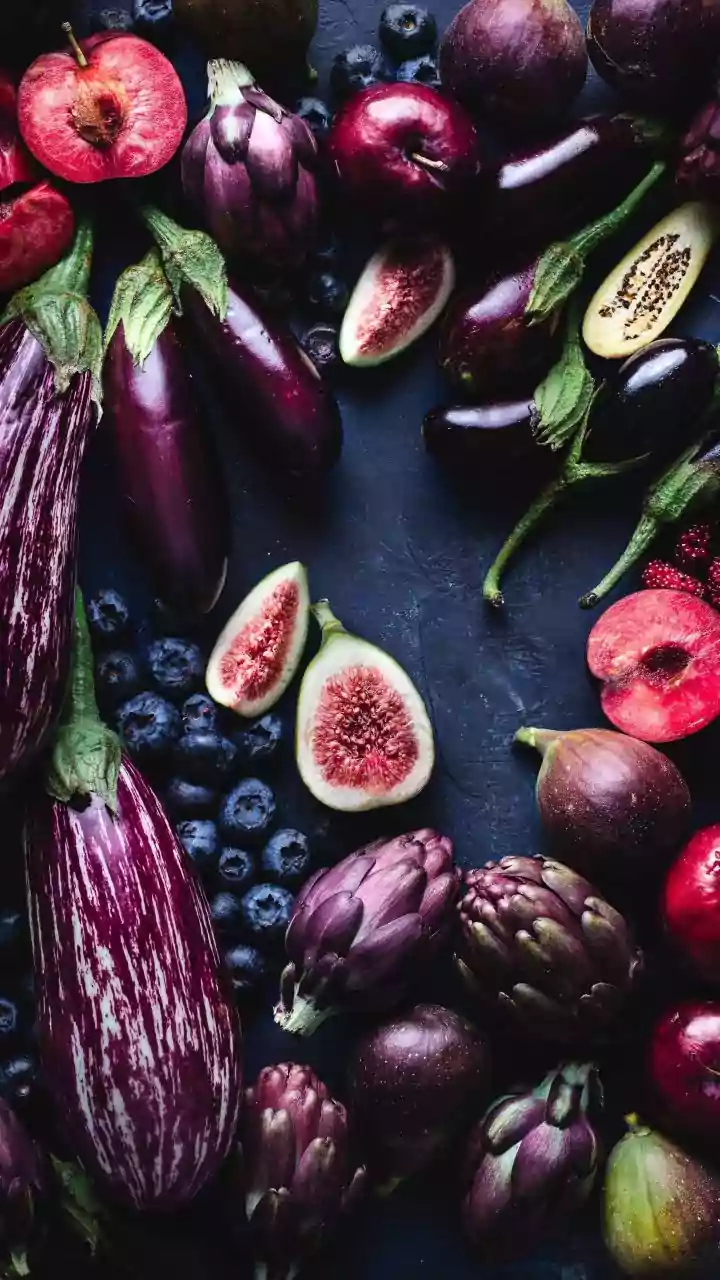
Jamun, or Indian blackberry, is a star of the monsoon season. Its deep purple hue signals a high concentration of antioxidants. This low-calorie fruit is loaded with iron, potassium, and essential vitamins that help purify the blood and improve haemoglobin. For those observing fasts, jamun is an excellent choice as it aids digestion and has a low glycemic index, providing a steady release of energy without spiking blood sugar levels. Its astringent properties also help in keeping gut-related issues, common during this season, at bay.
Bottle Gourd (Lauki): The cooling antidote
No Shravan or fasting meal plan is complete without the humble bottle gourd, or lauki. Composed of over 90% water, it is incredibly hydrating and cooling for the body. Extremely easy to digest, lauki doesn't tax a sensitive stomach, making it a perfect food for light meals. It is rich in fibre, which helps in maintaining digestive health and preventing constipation. During Shravan fasts, it can be used to make simple curries (with rock salt and minimal spices), soups, or even a light halwa, providing nourishment without being heavy.
Gourds Galore: Parwal, Tori, and Karela
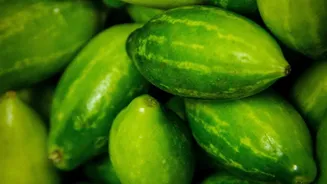
The monsoon brings a variety of gourds, each with unique benefits. Pointed gourd (parwal) is another vegetable that is gentle on the stomach and helps manage blood sugar. Ridge gourd (tori) is known for its ability to purify the blood and also contains compounds that help regulate sugar levels. While its bitterness might not be for everyone, bitter gourd (karela) is a powerhouse of nutrients that enhances immunity and is highly recommended for its blood-purifying properties, making it a valuable addition to the diet this season.
Stone Fruits: Peaches and Plums
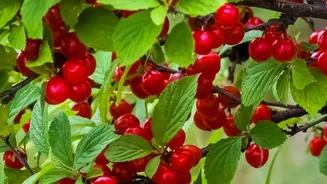
The tail end of summer and the beginning of the monsoon is also when delicious stone fruits like peaches (aadu) and plums (aloo bukhara) are at their best. Peaches are packed with Vitamin C, a crucial nutrient for bolstering your immune system against seasonal infections. Plums are rich in antioxidants and dietary fibre, which promote good digestion and help maintain bowel regularity—a common concern during fasting periods. These fruits can be eaten as is for a quick, energetic snack.
Pears (Nashpati): The fibre-rich refresher
Pears, or nashpati, are another seasonal gem available during Shravan. They have high water content, which helps in keeping you hydrated throughout the day. More importantly, they are an excellent source of soluble and insoluble fibre. This aids in smooth digestion, helps maintain a healthy gut, and provides a feeling of fullness, which can be very beneficial when you are eating less frequently or observing a fast. Enjoy them fresh and crisp as a perfect mid-day snack.