



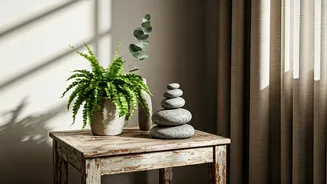


What Is Earthy Design?
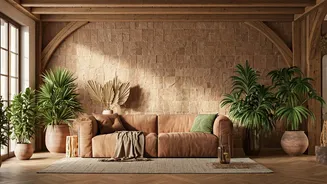
At its core, earthy design is a philosophy that seeks to bring the outdoors in. It moves away from the sterile, untouchable perfection of sharp-edged modernism and embraces textures, colours, and materials that feel drawn directly from nature. Think of a sun-drenched
Mediterranean villa, a tranquil Japanese garden, or a cosy cabin in the hills. The aesthetic is grounded, warm, and deeply human. It's closely related to 'biophilic design'—the idea that humans have an innate need to connect with nature. This trend translates that need into tangible choices: unpainted wood, rough-hewn stone, soft linens, and a colour palette of muted greens, warm browns, and sandy beiges. It’s less about following a rigid set of rules and more about creating an atmosphere of calm, comfort, and authenticity.
Why This Trend Is Taking Root Now
The rise of earthy interiors isn't accidental. It’s a direct response to our increasingly digital and fast-paced lives. After years spent staring at blue-lit screens, there is a collective craving for tactile, sensory experiences. We want homes that serve as a refuge, a place to disconnect and recharge. The global pandemic amplified this desire, forcing us to re-evaluate our living spaces and turning them into havens for work, rest, and play. Furthermore, a growing awareness of sustainability is pushing consumers towards natural, durable, and ethically sourced materials. Fast-fashion furniture is out; timeless pieces made from renewable resources like bamboo, rattan, and reclaimed wood are in. Earthy design aligns perfectly with this conscious shift, offering a style that is both beautiful and mindful of the planet.
Start with a Natural Foundation
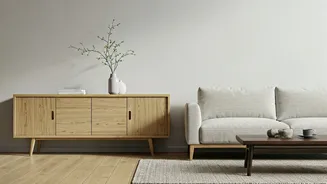
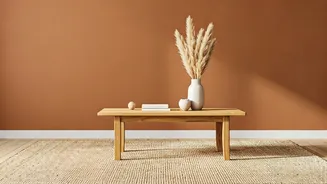
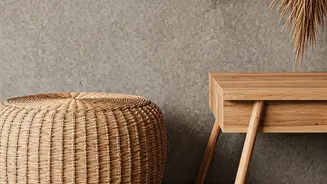
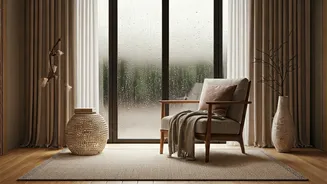
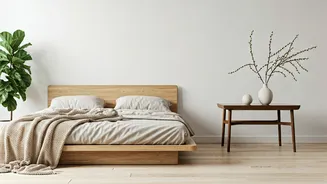
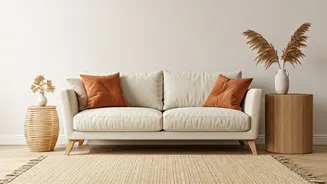
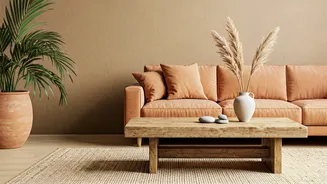
The easiest way to introduce this style is through materials. Swap out synthetic fabrics and plastics for natural alternatives. Think a chunky jute or sisal rug underfoot to instantly add texture and warmth. Replace polyester curtains with ones made of breathable linen or cotton, which diffuse sunlight beautifully. In furniture, look for pieces that celebrate their origins. A solid wood dining table with a visible grain, a woven rattan armchair, or a smooth stone-topped coffee table can become the focal point of a room. These materials are not only visually appealing but also engage our sense of touch, adding a layer of sensory richness that is often missing in modern homes. Even small changes, like wooden photo frames or a set of slate coasters, can begin to build this natural foundation.
Adopt a Grounded Colour Palette
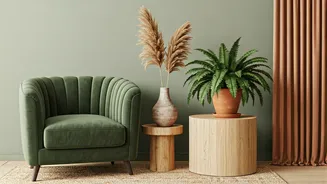
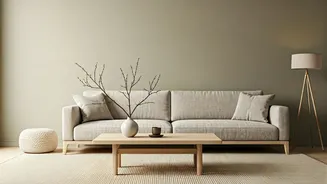
Colour is a powerful tool for setting a mood, and an earthy palette is all about calm and serenity. Steer clear of harsh, primary colours and opt for tones found in a natural landscape. This includes warm terracotta and ochre, reminiscent of sun-baked clay; soft sage and olive greens that echo foliage; and a range of neutrals from creamy beige to deep, loamy brown. These colours work beautifully as a backdrop on walls, allowing your furniture and decor to shine. You don’t have to paint the whole house. Start with an accent wall in a deep forest green, or introduce the palette through cushions, throws, and artwork. The key is to create a cohesive, harmonious look where no single colour screams for attention, fostering a sense of peace and balance.
Embrace Imperfection and Texture
Earthy design celebrates the beauty of imperfection, a concept known in Japanese aesthetics as 'wabi-sabi'. Instead of factory-made uniformity, it finds charm in things that are handmade, aged, or slightly irregular. Look for handcrafted ceramics where you can see the maker's touch, a wooden bowl with natural knots, or a hand-woven textile with slight variations in the weave. Texture is just as important as colour. Layering different textures makes a space feel rich and inviting. Combine the smoothness of a ceramic vase with the roughness of a linen tablecloth and the softness of a woollen throw. This interplay of textures creates a dynamic, lived-in environment that feels personal and curated over time, not bought straight from a catalogue.
Let There Be Life (and Light)
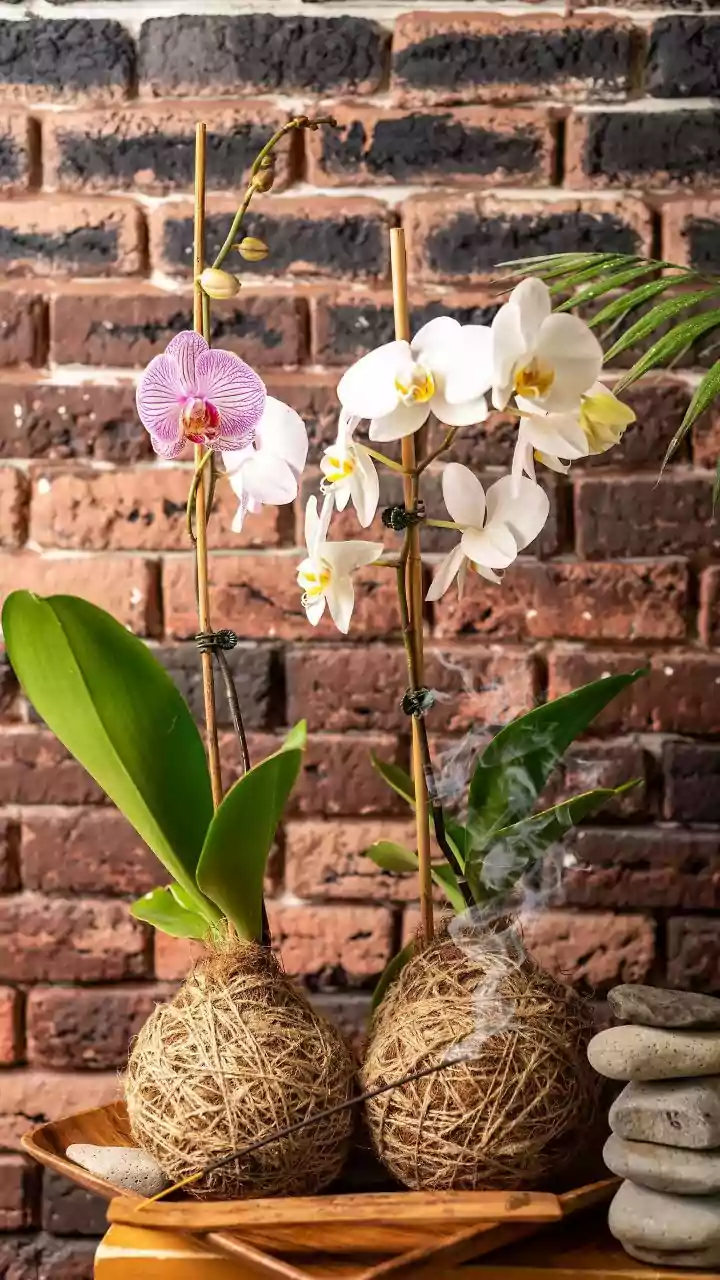
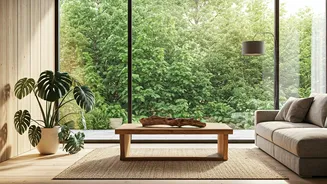
No earthy interior is complete without two final, crucial elements: plants and natural light. Houseplants are the most literal way to bring the outdoors in. They purify the air, add a vibrant splash of green, and have been proven to reduce stress. You don't need to turn your home into a jungle; a few well-placed plants can make a huge difference. Choose low-maintenance options like snake plants or ZZ plants if you're a beginner. Maximise natural light by keeping window treatments simple and sheer. Light is what brings the textures and colours of your space to life, making the wood grain pop and the woven fabrics feel even more inviting. When the sun goes down, opt for warm, ambient lighting from multiple sources—table lamps, floor lamps—rather than a single, harsh overhead light.