






Beyond the Usual Grains
For generations, our plates have been dominated by a select few grains, primarily refined wheat and white rice. While comforting and familiar, this lack of variety has consequences for our health and the environment. Experts point out that a diet low
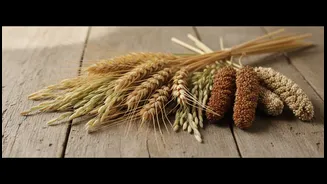
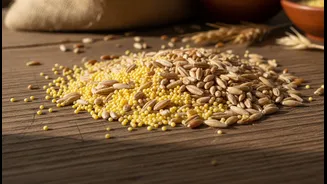
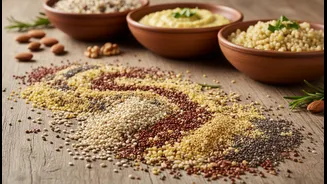
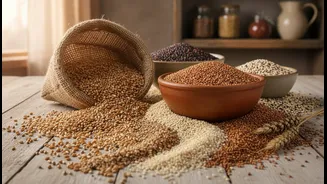
in whole grains is a significant health risk factor globally. A diverse diet, rich in various whole grains, provides a broader spectrum of essential nutrients like fibre, vitamins, and minerals, which are often stripped from refined products. This variety supports better gut health, can aid in weight management, and helps stabilise energy levels. Environmentally, relying on a few crops (monoculture) depletes soil nutrients and makes our food system vulnerable to climate change and pests. Introducing more grains like millets (jowar, bajra, ragi), barley, and sorghum into our farms and diets builds a more resilient and sustainable food future.
The Flavour and Texture Hurdle
If the benefits are so clear, why aren't we all eating a wider variety of grains? The answer is simple: taste and texture. For many, whole grains have a reputation for being dense, difficult to cook, or simply unappealing compared to their refined counterparts. This 'taste inferiority' is a major barrier identified by researchers. People may lack the knowledge or confidence to prepare unfamiliar grains like farro or buckwheat, leading them to stick with what they know. Furthermore, habits are hard to break. The convenience and sensory familiarity of white rice and soft bread are powerful motivators in our daily food choices. Overcoming this requires more than just nutritional information; it demands a shift in perception, transforming these grains from a healthy chore into a desirable culinary experience.
Making It a Delicious Choice
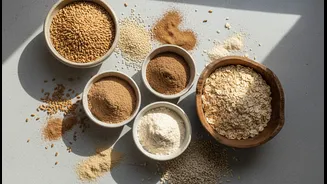
The secret to successfully diversifying your diet is to focus on enjoyment. Instead of forcing a change, integrate new grains in ways that complement foods you already love. One effective strategy is the 'half-and-half' method. When making rice, start by mixing half brown rice with your usual white rice. The same can be done with pasta or when baking, by substituting a portion of white flour with whole wheat, millet, or oat flour. This gradual approach allows your palate to adjust without feeling like a drastic sacrifice. Another tip is to incorporate grains into dishes with familiar and bold flavours. A quinoa bake with a favourite tomato sauce, or sorghum added to a hearty soup, allows the comforting taste of the dish to shine while introducing a new texture.
Simple Techniques for Better Taste
A few simple cooking techniques can elevate the flavour of any grain. Toasting dry grains like millet or quinoa in a pan for a few minutes before cooking enhances their natural nutty aroma. Cooking grains in broth instead of water is another easy way to infuse them with savoury flavour from the start. Don't be shy with herbs and spices. Aromatic additions like cardamom, fresh herbs, or a pinch of saffron can transform a simple bowl of millet into a fragrant and appealing dish. Finally, think about texture. A creamy millet porridge can be a comforting breakfast, while cooking it with less water yields a fluffy, pilaf-style grain perfect for salads. Serving grains with a flavourful sauce, roasted vegetables, or a topping of toasted nuts adds another layer of enjoyment.
Your New Pantry Staples
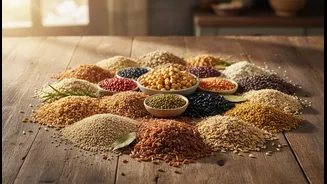
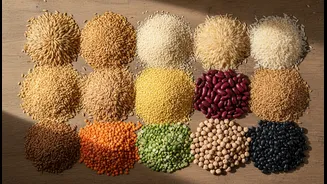
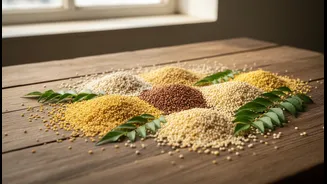
Ready to get started? Here are a few versatile grains to explore. Millets, long a staple in India, are gluten-free, quick-cooking, and incredibly versatile. They can be used to make porridge, added to salads, or even used in baking. Barley, with its chewy texture and nutty flavour, is wonderful in soups and salads. Quinoa is a complete protein and makes a fantastic, fluffy base for bowls and side dishes. Don't feel you have to stick to just one; mixing grains can create a more interesting texture and flavour profile. You could try a blend of brown rice and quinoa, or add some farro to jasmine rice for a smoky, aromatic combination. The goal is to experiment and find what you genuinely enjoy eating.