


The Promise Beyond the Crowds
For decades, Indian travellers seeking respite in the Himalayas have followed a well-trodden path to places like Shimla, Manali, and Nainital. But the secret is out, and these once-serene towns are now bursting at the seams, especially during peak season.
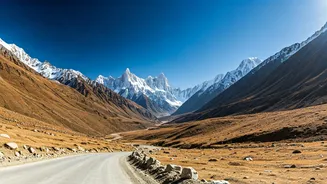
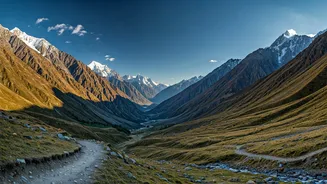
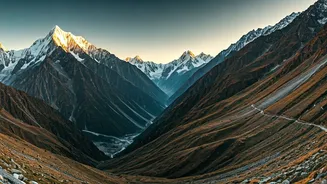
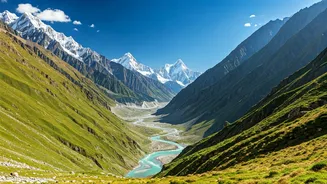
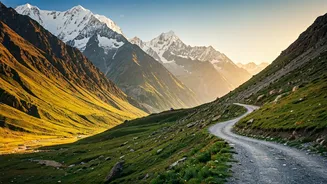
The very peace we seek is often lost in long lines of cars, packed hotels, and commercialised attractions. Lahaul, a high-altitude cold desert in Himachal Pradesh, offers a breathtaking alternative. Historically cut off for nearly six months of the year, this remote region is a land of stark beauty, ancient monasteries, and a culture that feels worlds away from the mainstream hustle. It promises not just a holiday, but a genuine escape.
The Tunnel That Changed Everything
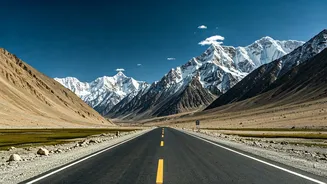
The game-changer for Lahaul is the Atal Tunnel. This engineering marvel, bored under the Rohtang Pass, has transformed a treacherous, day-long journey from Manali into a scenic 30-minute drive. Where access was once a formidable barrier, it is now an invitation. As you exit the tunnel, the landscape shifts dramatically. The lush, green valleys of Kullu give way to the barren, majestic, and sun-drenched mountains of the Lahaul valley. Your first stop, Sissu, is a perfect introduction. Situated on the banks of the Chandra River with a stunning waterfall in view, Sissu immediately signals that you have entered a different, wilder realm.
Your Lahaul Itinerary Unpacked
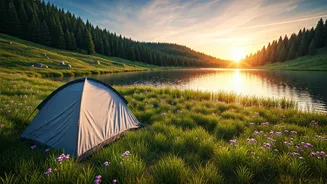
Unlike a single-destination resort town, Lahaul is a circuit of experiences. Keylong, the district headquarters, is a good base with more accommodation and facilities. From here, the road unfolds with possibilities. Drive to Jispa, a serene village along the Bhaga River, famous for its picturesque riverside campsites that offer a night under a blanket of stars you won't find in any city. Don't miss Tandi, the sacred confluence where the Chandra and Bhaga rivers meet to form the Chenab. Local legend, deeply tied to mythology, gives this spot a powerful spiritual resonance. Each stop is less about a checklist of 'sights' and more about immersing yourself in the raw, elemental beauty of the place.
For the Adventurous Soul
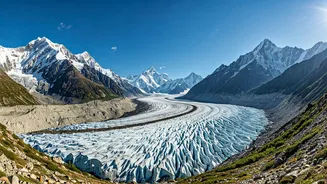
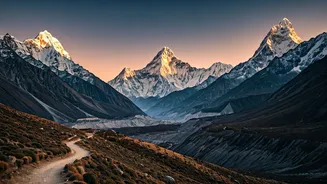
Lahaul is not a destination for passive tourism; it beckons the active traveller. The region is a trekker's paradise, with trails ranging from moderate day hikes to challenging multi-day expeditions. The journey to high-altitude glacial lakes like Suraj Tal (the 'Lake of the Sun') and Deepak Tal is a pilgrimage for nature lovers, rewarding them with crystal-clear waters reflecting the snow-capped peaks. The drive over the Baralacha La pass, on the way to Ladakh, is an adventure in itself, offering panoramic views that are both humbling and exhilarating. The region is also home to ancient Buddhist monasteries, or 'gompas', like Kardang and Shashur, which cling to mountainsides and serve as tranquil centres of faith and culture, offering a peaceful counterpoint to the rugged landscape.
Travel with Purpose and Respect
The newfound accessibility of Lahaul brings with it a responsibility. The region's fragile ecosystem and unique culture are its greatest assets. To truly escape the resort mentality, opt for homestays over hotels. Staying with a local family offers an unparalleled opportunity to experience Lahauli hospitality, savour authentic home-cooked food like 'thenthuk' and butter tea, and contribute directly to the local economy. Remember to practice responsible tourism: carry your own water bottle to reduce plastic waste, dress modestly when visiting monasteries, and always ask for permission before photographing people. The goal is to leave Lahaul as pristine as you found it.
Essential Tips for the High Altitude
Planning a trip to Lahaul requires some preparation. The best time to visit is from late May to early October, when the roads are clear and the weather is pleasant. Altitude is a serious factor; Lahaul's average elevation is over 10,000 feet. Give your body at least a day or two in places like Keylong to acclimatise before ascending further. Pack in layers, as the weather can change in an instant. A warm jacket, sunscreen, sunglasses, and a good hat are non-negotiable. While the Atal Tunnel provides year-round access to Sissu, the roads beyond can close unexpectedly due to snowfall, so always check local conditions before you travel.