


The Soul of the Craft
At its core, batik is an ancient art of 'resist dyeing'. The process is a testament to patience and precision. Artisans use wax to draw or stamp intricate patterns onto a piece of cloth. When the cloth is dyed, the wax-covered areas resist the colour,
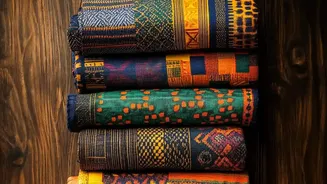
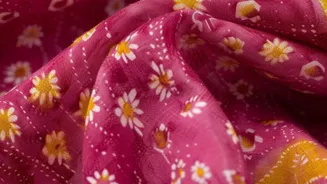
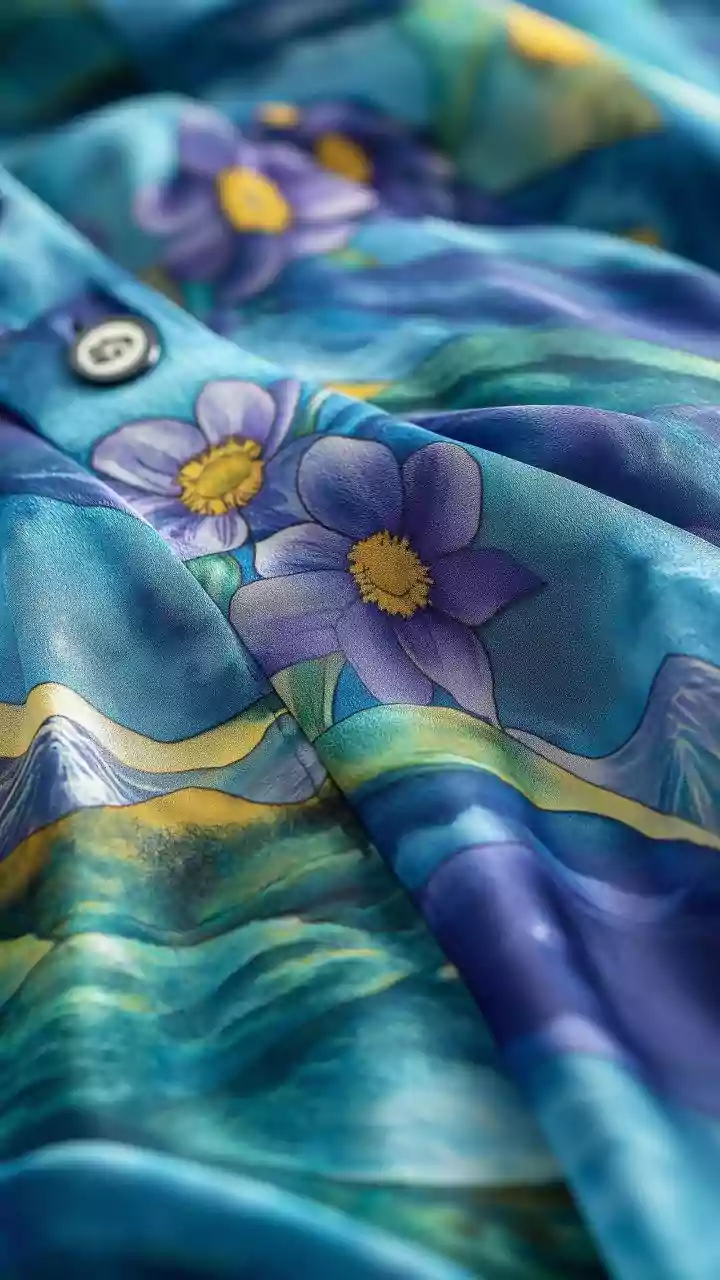
leaving behind the intended design. This process can be repeated multiple times with different dyes to create complex, multi-layered patterns. The magic happens when the wax is finally removed, usually with boiling water, to reveal the stunning, elaborate design beneath. One of the signature characteristics of authentic batik is the fine 'crackle' effect—tiny veins of colour that sneak through cracks in the wax, giving each piece a unique, organic fingerprint that simply cannot be replicated by a machine.
A Journey Through History
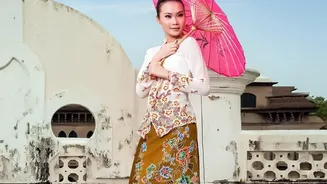
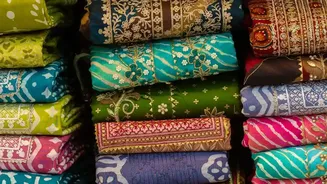
While batik is most famously associated with Indonesia, where it is a UNESCO-recognised cultural treasure, its roots are global. Evidence of wax-resist dyeing techniques dates back thousands of years and has been found in India, China, Egypt, and Japan. The word 'batik' itself comes from the Javanese words 'amba' (to write) and 'titik' (dot). In India, the craft has a rich history, particularly in regions like West Bengal and Gujarat. The traditional Indian approach often incorporates local motifs and a distinct colour palette. Each pattern tells a story, with certain designs once reserved for royalty or specific ceremonies, embedding the fabric with deep cultural significance. This rich heritage is what transforms a simple piece of cloth into a conversation starter.
From Tradition to Modern Trend
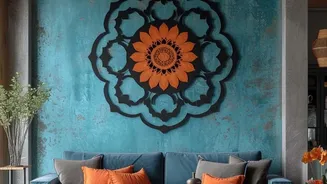
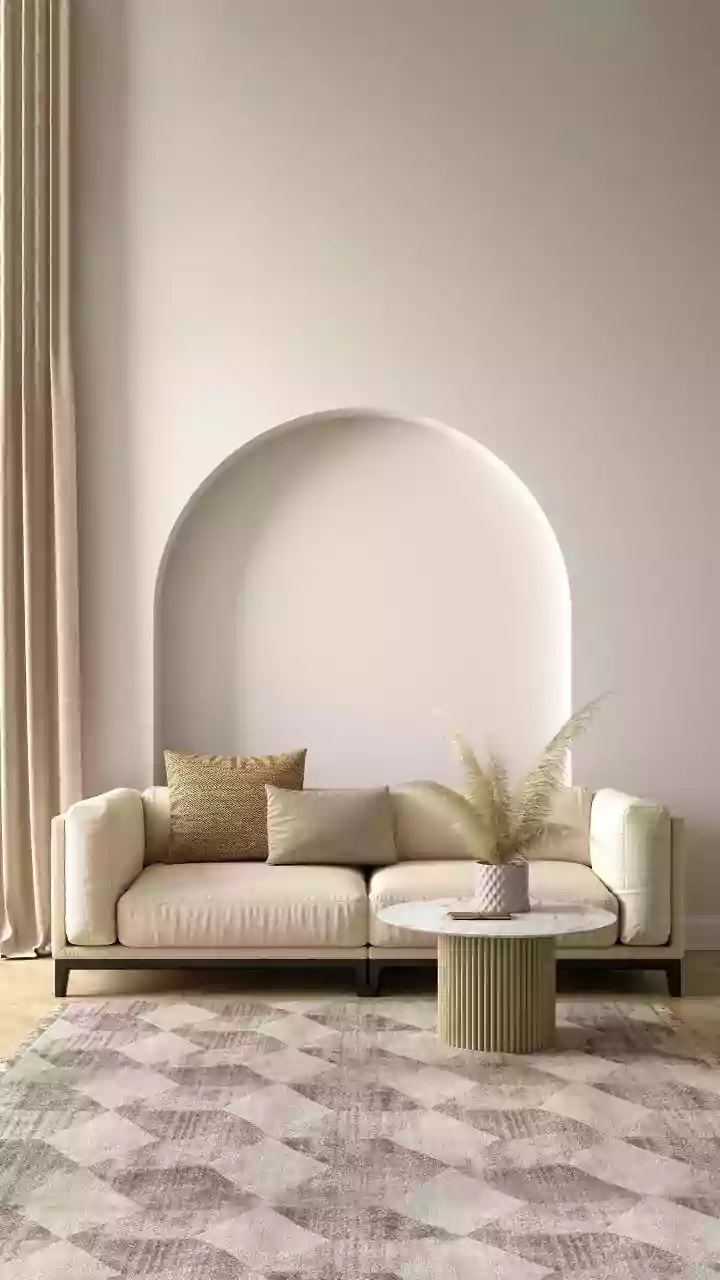
Today, designers are breathing new life into this ancient craft, making it more relevant than ever for contemporary interiors. They are taking traditional patterns and reinterpreting them with modern colour schemes or applying them in unexpected ways. You can find batik motifs on everything from sleek wallpapers to ceramic tiles. This fusion of old and new allows batik to feel at home in both minimalist and maximalist settings. A single, bold batik piece can serve as the focal point in a neutral room, while a collection of smaller items can add layers of texture and interest to a more eclectic space. It’s this versatility that makes batik an enduring choice for those looking to add personality and a sense of history to their homes.
Ways to Weave Batik into Your Home
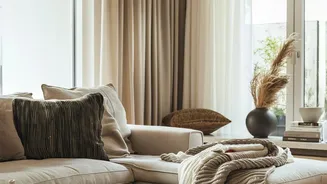
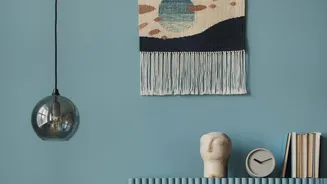
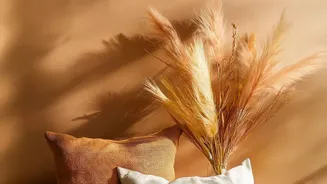
Incorporating batik into your decor doesn't require a complete overhaul. Start small with a few eye-catching details. Throw pillows or cushion covers on a sofa or bed are a classic way to introduce pattern and colour. A batik table runner can instantly elevate your dining space, while a large piece of fabric framed as wall art can become a stunning statement piece that transforms a blank wall. For a bolder move, consider using batik fabric for curtains or drapes to add texture and drama to a room. You can even reupholster a favourite armchair or ottoman in a vibrant batik print to create a unique piece of furniture that bridges the gap between art and function.
Choosing and Caring for Your Fabric
When purchasing batik, look for the slight imperfections that signal a handmade piece. True hand-dyed batik will have a depth of colour and subtle variations that mass-produced prints lack. To care for these textiles, gentle handling is key. It's best to hand wash batik in cold water with a mild detergent and avoid harsh chemicals or bleach, which can damage the delicate dyes. To prevent fading, air dry the fabric away from direct sunlight. If you must machine wash, use a delicate cycle with cold water and separate colours to be safe. With proper care, these beautiful fabrics can retain their vibrancy for generations, becoming cherished heirlooms.