

The High Cost of Keeping Up
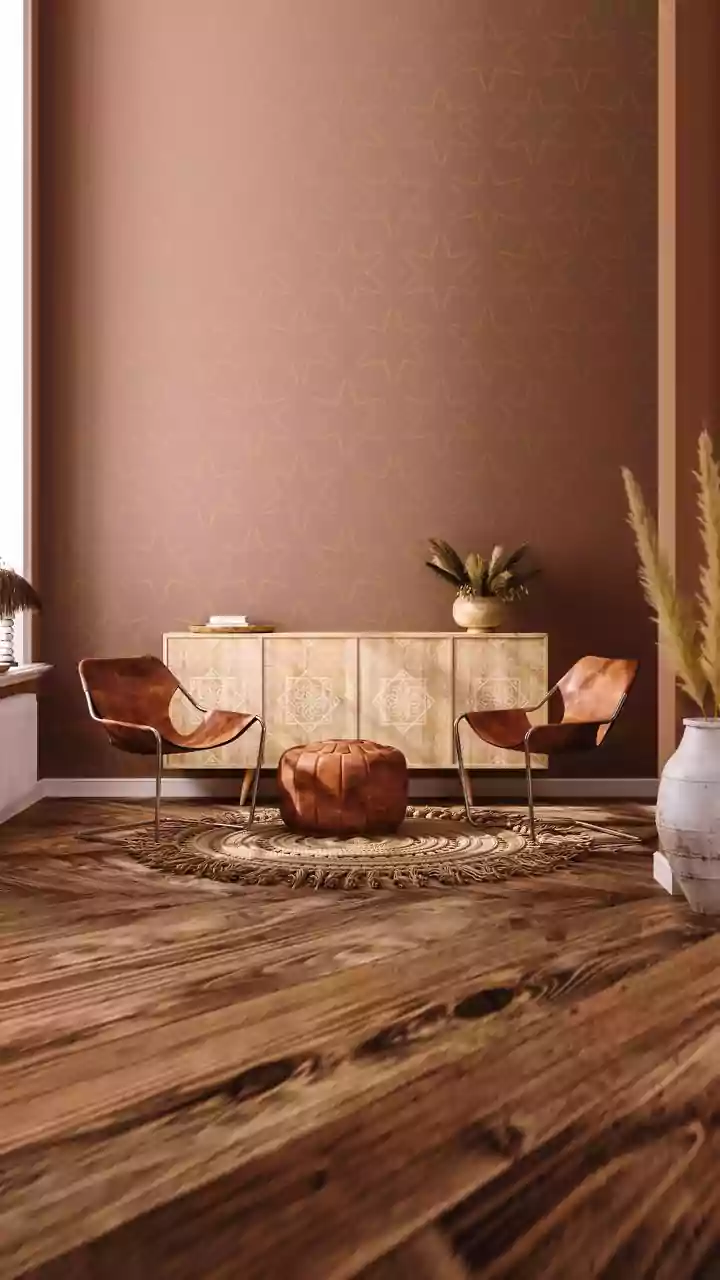
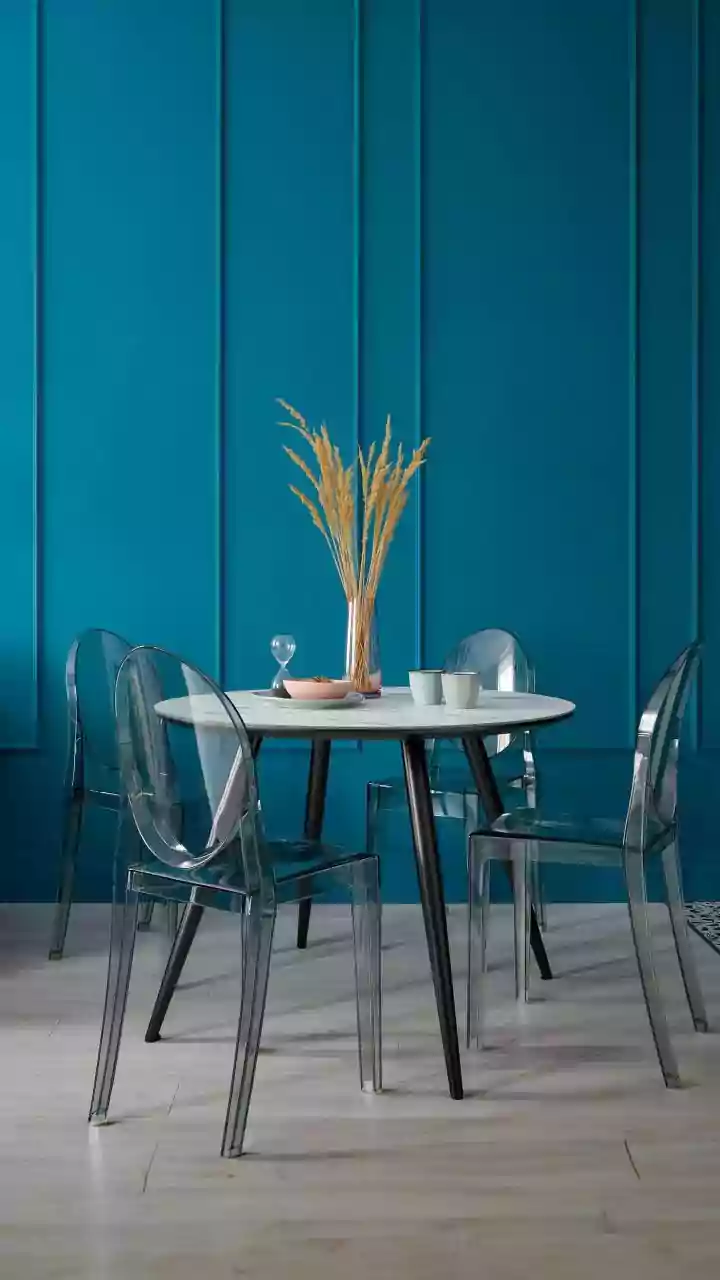
Social media and home renovation shows have accelerated the trend cycle, creating an environment of 'fast fashion' for our homes. One season it's boucle sofas and mushroom lamps; the next, it's all about chrome and vibrant 'dopamine' decor. This constant
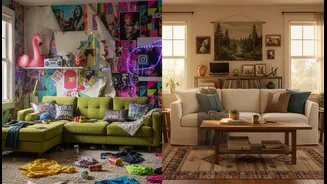
pressure to keep up can be financially draining and emotionally exhausting. Many trend-driven purchases, influenced by what's popular online, lead to buyer's remorse within months. This cycle encourages the use of lower-quality, mass-produced items that aren't built to last, contributing to significant waste as they are discarded when the next fad emerges. The result is often a space that feels disjointed and impersonal, assembled to chase an algorithm rather than to reflect the people living there.
The Case for a 'Slow' Interior
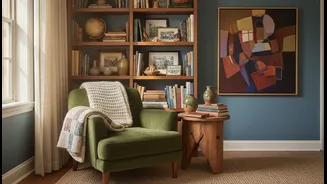
In contrast, a home built around personal use is a sanctuary. It’s a space that evolves with you, telling your story through a curated collection of meaningful objects. This 'slow design' approach prioritizes longevity, quality, and authenticity over novelty. Instead of a room that looks like a page from a catalogue, you get a home that holds your character. This approach involves decorating with intention, not imitation. Experts argue that focusing on classic design elements and well-crafted 'heritage' pieces is not only more sustainable but also creates a timeless and meaningful environment that doesn't feel dated after a single season. It's about investing in your home for the long term, creating a foundation that can adapt without requiring a complete overhaul.
The Psychology of a Personal Space
Our surroundings have a profound impact on our well-being. A home that reflects your personality, tastes, and lifestyle can become a restorative and emotionally supportive environment. Environmental psychologists have found that living in a functional, uplifting home that mirrors who you are can increase feelings of security, boost optimism, and reduce stress. Coming home to a space where every choice feels like an extension of yourself is like 'the visual equivalent of taking off your shoes'—it provides comfort and helps you reconnect with yourself. This deep connection is something a trend-driven, impersonal space can never offer. A personalized space serves as a launchpad for success and a wellspring of confidence.
How to Discover and Apply Your Style
Building a personal interior doesn't require a massive budget; it requires intentional choices. Start by looking inward. What colours are you naturally drawn to in your wardrobe? What materials do you love to touch? Think about your hobbies, cherished travel memories, and family heirlooms. These are the building blocks of your unique style. Begin with function—how you actually live in a room—before considering aesthetics. Plan layouts that accommodate your daily routines and optimize the flow of your space. Then, slowly layer in pieces that resonate with you personally, whether it’s meaningful art, handmade items, or simply a comfortable chair that encourages you to relax. Don't be afraid to mix styles or incorporate a trendy accessory if you genuinely love it and it fits your long-term vision.