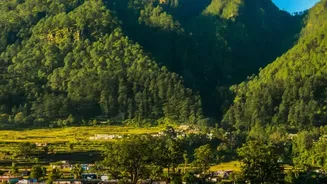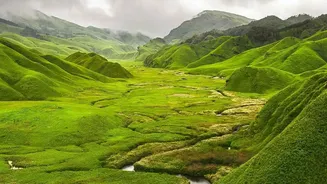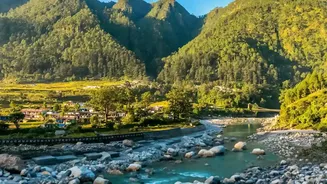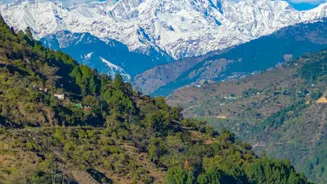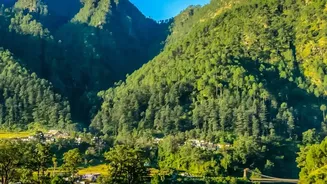


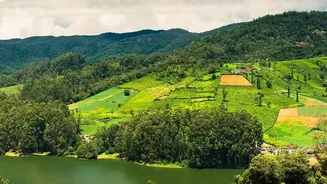
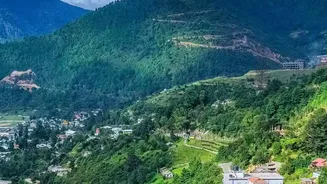
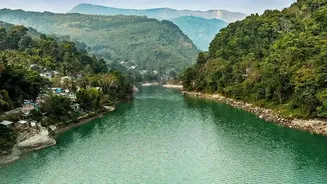
In the far northeastern corner of India lies a realm of mist-clad mountains, dense forests, and a raw, untamed spirit. This is Arunachal Pradesh, where the landscape is defined by the powerful arteries of its rivers and its iconic hanging bridges.
The Mighty Siang River
Originating
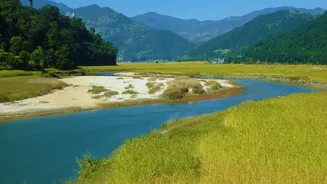
as the Yarlung Tsangpo in Tibet, this massive trans-boundary river enters India and becomes the Siang, carving deep gorges through the heart of Arunachal. Its powerful currents and stunning turquoise waters make it a hub for adventure and a lifeline for local communities. For thrill-seekers, the stretch from Tuting to Pasighat offers one of India's most challenging white-water rafting expeditions, with rapids ranging from Grade III to V. Beyond the adrenaline, the Siang Valley is a place of profound beauty, with sandy river beaches perfect for camping and villages of the Adi tribe dotting its banks, offering a glimpse into a unique way of life. The confluence of the Siang and Siyom rivers near Pangin is a particularly spectacular sight, where two mighty waterways merge in a stunning display of natural power.
The Hanging Bridges of Mechuka
Nestled in a valley often called the 'Shangri-La of the Northeast', Mechuka is as famous for its swaying bridges as its snow-capped peaks. These traditional structures, woven from local cane and bamboo, are feats of indigenous engineering. They are not just picturesque attractions but essential lifelines, connecting remote villages across the fast-flowing Yargyap Chu River, also known as the Siyom River. Walking across these bridges is a thrilling experience; they sway with every step and gust of wind, offering breathtaking views of the crystal-clear river below and the lush green valley around. While some are modernised with metal, many retain their traditional build, showcasing the incredible skill of the local Memba and Adi tribes. These bridges are more than just crossings; they are symbols of resilience and connection in a rugged landscape.
The Turquoise Lohit River
In the eastern part of the state, the Lohit River, known as the 'river of blood' for its reddish lateritic soil, flows with tempestuous energy. It carves through the Mishmi Hills, creating a valley of immense biodiversity, from alpine flora to dense tropical forests. The drive along the Lohit is an adventure in itself, with the road clinging to steep cliffs and offering jaw-dropping views of the turquoise water below. This region is also home to Parshuram Kund, a sacred pilgrimage site where thousands gather for a holy dip during Makar Sankranti. The valley is dotted with simple but beautiful hanging bridges, often the only way for villagers to cross the river, especially during the monsoon. The bridge near Hayuliang is particularly noteworthy, providing a stunning vantage point over the wild waters.
The High-Altitude Crossings of Tawang
Tawang, perched at over 10,000 feet, is a land of high passes, ancient monasteries, and dramatic river valleys. While famous for Tawang Monastery, the region's natural infrastructure is just as captivating. The historic Chagzam Bridge, spanning the Tawang Chu river, is a prime example. Built in the 15th century by the Buddhist monk Thangtong Gyalpo, this iron chain suspension bridge is an engineering marvel of its time and has connected key villages for nearly 600 years. While the original chains are still visible, the walking path is made of bamboo mats, offering a walk through history. The drive to Tawang itself involves crossing numerous smaller bridges over mountain streams and rivers, each offering a new, stunning perspective of the Himalayan landscape.
The Lifeline of Kameng
Flowing through western Arunachal, the Kameng River is the heart of towns like Bhalukpong and Seppa. Bhalukpong, situated on the border of Assam and Arunachal, is a gateway to the state's western wonders, and the Kameng River here is a popular spot for picnicking, angling, and rafting. The river runs through the Pakke Tiger Reserve, a biodiversity hotspot famous for its hornbill population. The journey upstream reveals a wilder side of the Kameng, with its course cutting through deep valleys and forested hills. Bridges in this area are crucial for connecting communities and enabling access to remote sanctuaries and villages, serving as silent witnesses to the daily life and natural rhythms of the region.