





Karkidaka Kanji from Kerala
This isn't just any porridge; it's a centuries-old Ayurvedic tradition from Kerala designed to heal and protect the body during the peak monsoon month of Karkidakam. At a time when humidity is high and digestion is considered weaker, this medicinal rice
gruel works wonders. Made with special Njavara rice, coconut milk, and a potent blend of herbs and spices like fenugreek and cumin, Karkidaka Kanji is designed to boost immunity, aid digestion, and provide sustained energy. It’s a gentle, nourishing start to a rainy day, embodying the principle of food as medicine and helping the body fight off seasonal ailments like fevers and joint discomfort.
Pesarattu from Andhra Pradesh
Often called the green gram dosa, Pesarattu is a beloved breakfast from Andhra Pradesh and Telangana. Unlike its more famous cousin, the traditional dosa, Pesarattu batter requires no fermentation, making it a quick and convenient option. It's made by grinding soaked whole green gram (moong dal) with ginger and green chillies. The result is a crisp, protein-packed crepe that is incredibly light on the stomach. Moong dal is known to be easy to digest and is rich in fibre and protein, which helps in managing blood sugar levels and keeps you feeling full for longer. Often served with a spicy ginger chutney (allam pachadi), it’s a nutritious and fulfilling way to kickstart a damp, grey morning.
Kothimbir Vadi from Maharashtra
A classic Maharashtrian snack, Kothimbir Vadi is a celebration of fresh coriander, which is abundant during the monsoon. The name itself tells you the story: 'kothimbir' means coriander, and 'vadi' means slices or wedges. It is made from a thick batter of gram flour (besan), chopped coriander leaves, and a mix of spices. This mixture is first steamed until firm, then cut into cubes and either shallow-fried or deep-fried until golden and crisp. This two-step process gives it a unique texture – soft on the inside with a crunchy exterior. It’s savoury, aromatic, and pairs perfectly with a hot cup of chai, making it an irresistible breakfast or teatime snack on a rainy day.
Ghugni from Bengal, Bihar, and Odisha
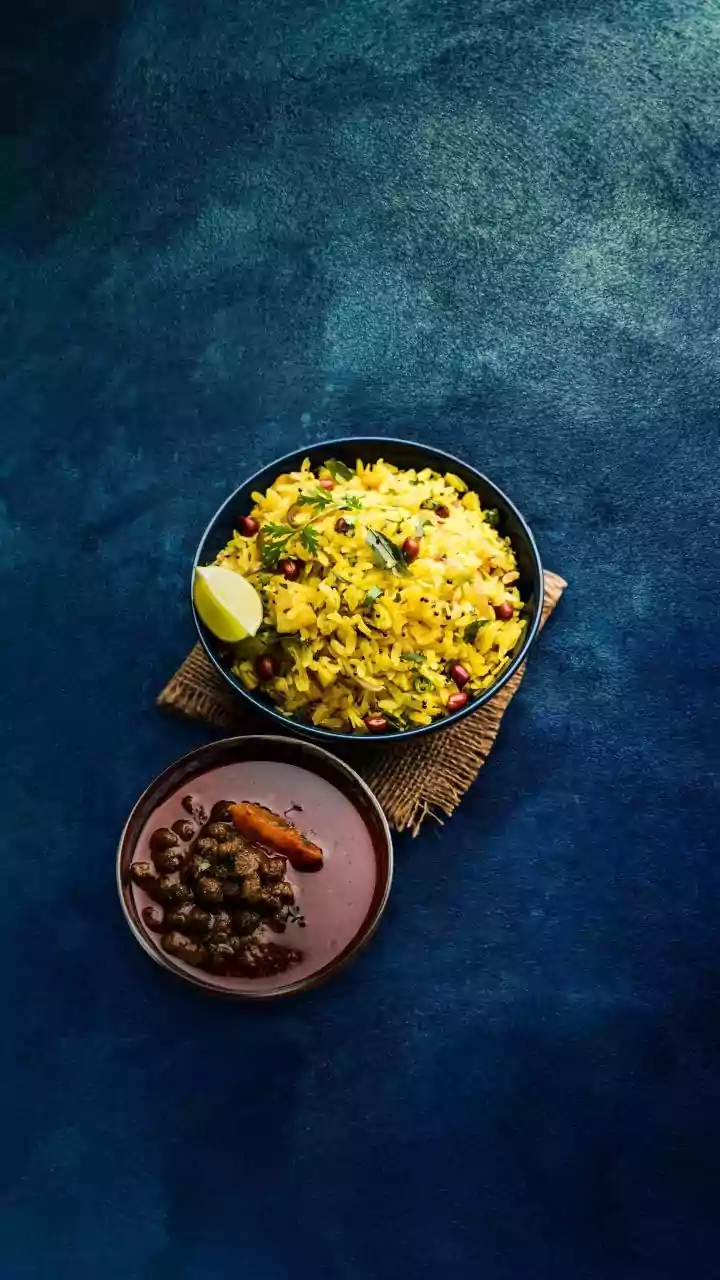
A quintessential comfort food in Eastern India, Ghugni is a hearty and flavourful curry made from dried yellow or white peas. It's a popular street food that doubles as a staple breakfast, especially during the cooler, wetter months. The dried peas are soaked overnight and cooked until tender, then simmered in a tangy and spicy gravy with onions, tomatoes, and ginger. Ghugni is incredibly versatile; it can be enjoyed on its own, topped with chopped onions and green chillies, or served with puris or puffed rice (muri). This warm, protein-rich dish is deeply satisfying, offering the kind of robust flavour and comfort that feels just right for a monsoon morning.
Methi Thepla from Gujarat
While enjoyed year-round, the humble Methi Thepla offers special comfort during the monsoon. These soft, thin flatbreads from Gujarat are made by kneading fresh fenugreek (methi) leaves, whole wheat flour, gram flour, and spices into a pliable dough. Fenugreek is known for its digestive properties, which is particularly beneficial when the digestive system is believed to be sluggish during the rains. Theplas are lightly spiced with turmeric, chilli powder, and asafoetida, providing a gentle warmth. They are quick to cook and can be eaten with plain yoghurt, pickles, or a cup of hot tea. Their wholesome nature and simple, earthy flavours make them a nourishing and practical breakfast choice to keep you energised through a day of downpours.