



Red Carrots (Gajar)
Winter in North India is synonymous with the arrival of deep red carrots, which are sweeter and juicier than their orange counterparts. This vibrant colour signals a high concentration of beneficial compounds. Beyond their good looks, carrots are packed
with beta-carotene, which the body converts into Vitamin A, essential for good vision and a strong immune system. While they are fantastic in salads and juices, their most celebrated form is undoubtedly Gajar ka Halwa, a slow-cooked dessert with milk, ghee, and sugar that defines winter indulgence for many. The natural sweetness of these carrots means you often need less sugar, making the treat both delicious and a little lighter.
Mustard Greens (Sarson)
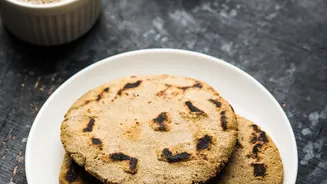
No winter menu is complete without the mention of Sarson ka Saag. These leafy greens, with their distinctively sharp and peppery flavour, are a powerhouse of nutrients. Rich in Vitamins A, C, and K, mustard greens are excellent for boosting immunity and bone health, which is especially welcome during the colder months. The traditional Punjabi preparation involves slow-cooking the greens for hours, often with other greens like spinach and bathua (chenopodium), until they are tender and creamy. Finished with a dollop of white butter and served with makki di roti (cornmeal flatbread), it’s a rustic, soulful meal that warms you from the inside out.
Fenugreek Leaves (Methi)
Fresh fenugreek leaves are a winter favourite known for their unique, slightly bitter taste and powerful aroma. Available in abundance during this season, methi is incredibly versatile and packed with health benefits. It is rich in iron and fibre, aids in digestion, and is well-known for its role in helping manage blood sugar levels. From the simple and comforting Aloo Methi sabzi to flavourful Methi Theplas and parathas, these leaves add a complex, savoury depth to any dish. The slight bitterness mellows upon cooking, leaving behind a delicious, earthy flavour that pairs wonderfully with potatoes, lentils, and flatbreads.
Radish (Mooli)
Crisp, white, and delightfully pungent, the radish is a humble root vegetable that shines in the winter. Mooli is prized for its high water content and digestive properties, making it a refreshing addition to heavy winter meals. It can be enjoyed raw in salads, where its peppery crunch provides a wonderful contrast, or pickled for a tangy kick. However, its most beloved application is in Mooli ke Parathe, a North Indian breakfast staple. Grated radish is spiced and stuffed into whole wheat dough, then pan-fried to golden perfection. The key is to squeeze out the excess water from the radish to ensure the parathas don't turn soggy.
Beetroot (Chukandar)
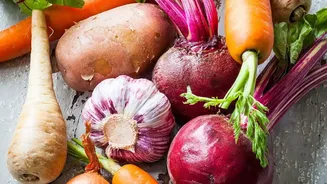
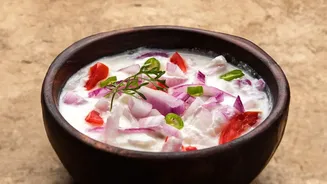
With its stunning deep-purple hue, beetroot is nature’s way of painting your winter plate. This root vegetable is not just about looks; it's loaded with essential nutrients like folate, iron, and antioxidants. Its earthy sweetness makes it incredibly versatile. You can add it to salads and juices for a nutritional boost, make a vibrant beetroot raita, or create savoury cutlets and tikkis. For those with a sweet tooth, beetroot halwa offers a colourful and delicious alternative to the classic carrot version. Cooking beetroot softens its earthy flavour, making it a welcome ingredient in both South Indian poriyals and North Indian curries.
Spinach (Palak)
While available year-round, spinach thrives in the cooler weather and is particularly lush and tender during winter. This leafy green is a well-known superfood, packed with iron, calcium, and a host of vitamins. Its mild flavour makes it a fantastic and easy addition to a wide range of dishes. From the creamy and universally loved Palak Paneer to spinach-infused dals, parathas, and soups, it’s a simple way to add green goodness to your meals. A squeeze of lemon juice can help enhance the absorption of iron from spinach, making it even more beneficial.
Sweet Potato (Shakarkandi)
Sweet potato is a comforting, nutrient-dense root vegetable that becomes a popular snack as the temperature drops. Rich in dietary fibre, Vitamin A, and antioxidants, it’s a healthier alternative to regular potatoes with a lower glycemic index. In India, it is most famously enjoyed as Shakarkandi ki Chaat, where the boiled or roasted vegetable is cubed and tossed with chaat masala, lemon juice, and spices for a delightful sweet, sour, and spicy snack. It can also be mashed, used in soups, or even turned into a delicious halwa for a guilt-free dessert.