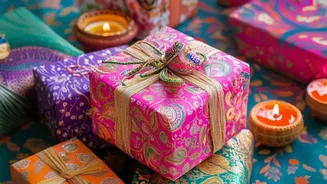








The shimmering gift wrap and decorative boxes of the Indian festive season remain, but their contents are changing. The era of receiving the same box of sweets from ten different relatives is giving way to a more deliberate and useful approach.
From Mithai to Meaningful Utility
For generations,
the quintessential festive gift in India has been a box of mithai, a package of dry fruits, or perhaps a decorative item. These gifts symbolise sweetness and prosperity. While these traditional items still hold a place, a significant shift is underway. Consumers, particularly younger millennials and Gen Z, are increasingly prioritising gifts that offer tangible, long-term value. The focus is moving from purely symbolic gestures to items that integrate into the recipient's daily life. It’s no longer just about the sweetness of the occasion, but about providing a gift that serves a purpose long after the festivities have ended.
The Drivers of a New Gifting Culture
Several factors are fuelling this change. A heightened awareness of health and wellness, accelerated post-pandemic, has made many wary of excessive sweets. Furthermore, as disposable incomes rise, consumers are making more deliberate and intentional spending choices. They want gifts that reflect personal thought and an understanding of the recipient's needs. Young consumers, in particular, value gifts that are memorable and offer an experience or daily function. This has led to a rise in everything from tech gadgets and smart home devices to wellness products and subscription services. Family expectations remain a primary driver for spending, but the definition of a 'good' gift is being recalibrated.
What’s Inside the Modern Gift Box?
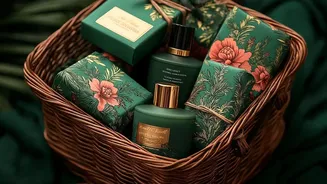
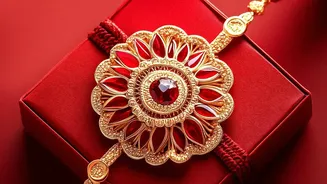
Today’s festive hampers are more likely to contain a curated selection of practical items. Think wellness kits with essential oils and eye massagers, or gourmet hampers featuring artisanal teas and healthy snacks instead of sugar-laden sweets. Small kitchen appliances, elegant serveware, and practical home accessories are popular choices, blending beauty with everyday function. Tech gadgets like wireless chargers, fitness bands, and portable speakers are also highly sought-after, especially by younger professionals. Even traditional gifts are getting a functional makeover; instead of purely ornamental jewellery, people might opt for lightweight, modern designs or invest in silver serving bowls that can be used regularly. Leather accessories like wallets or cardholders have also become a practical choice for professional and personal gifting.
The Rise of Personalisation and Conscious Choices
Beyond pure utility, there's a growing desire for personalisation and sustainability. Consumers are actively seeking gifts that feel unique and align with their values. This could mean a monogrammed journal, a curated gift box tailored to the recipient's hobbies, or products from local artisans and eco-friendly brands. Gifting handcrafted items, such as textiles or pottery, supports local communities and tells a unique story. This move toward conscious consumerism shows that a gift's value is increasingly measured by its thoughtfulness and impact, not just its price tag. Even corporate gifting, once dominated by generic sweet boxes, is now embracing personalised, sustainable, and wellness-oriented products to create a lasting impression.