




The Gut: Your 'Second Brain'
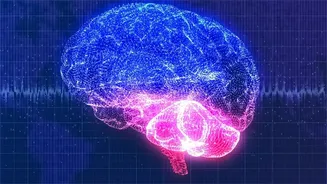
The gut and brain are in constant two-way communication. What many people don't realise is that our gut produces a significant amount of the body's neurotransmitters—the chemical messengers that regulate mood. For instance, it's estimated that about 90%
of serotonin, the 'happy chemical', is made in our digestive tract. Therefore, an imbalance or inflammation in the gut can send signals to the brain that may influence feelings of anxiety or low mood. This growing area of science suggests that a healthy, balanced gut microbiome—the community of trillions of microorganisms living in your gut—is a cornerstone of not just digestive health, but mental and emotional well-being too.
Probiotics: Your Gut's Best Friends
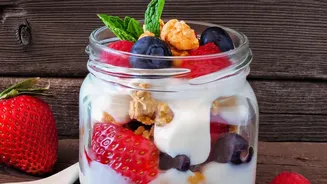
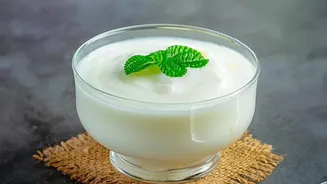
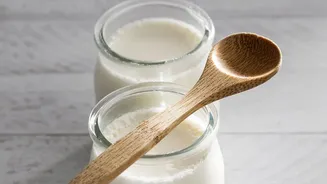
Probiotics are live, beneficial bacteria and yeasts that help maintain a healthy balance in your gut microbiome. They work by reinforcing the population of 'good' bacteria, which can help strengthen the gut lining and support the immune system. One of the most accessible and effective sources of probiotics, especially in India, is curd (dahi). Regular consumption of probiotic-rich foods like yogurt has been shown in some studies to influence brain function related to mood and memory. While research is ongoing, the evidence suggests that including these foods in your diet can be a positive step toward supporting both gut and brain health.
Fiber: Fuel for Your Gut's Allies
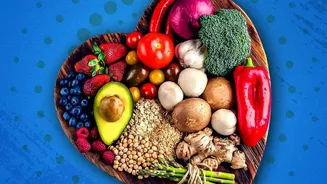
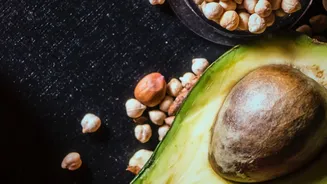
If probiotics are the 'good bacteria', then prebiotics are their food source. Prebiotics are types of dietary fiber that our bodies cannot digest, but they serve as essential fuel for the beneficial microbes in our gut. When these microbes ferment fiber, they produce beneficial compounds called short-chain fatty acids (SCFAs). These SCFAs have numerous benefits, including reducing inflammation and strengthening the gut barrier, which can positively impact the gut-brain axis. A diet low in fiber can disrupt this delicate ecosystem, potentially contributing to inflammation and mood disturbances. Conversely, a high-fiber diet is consistently associated with better mental wellness outcomes.
Building a Gut-Friendly Indian Meal
The good news is that a traditional Indian diet is naturally rich in many of the components needed for a healthy gut. The key is to focus on whole, unprocessed foods. Start by incorporating a small bowl of homemade curd with your lunch and dinner. For fiber, fill your plate with a variety of vegetables and legumes. Think dal, chana masala, and rajma, which are all excellent sources. Swap refined white rice for brown rice or millets like jowar, bajra, and ragi, which can be used to make rotis or dosas. Snacking on whole fruits (with the skin on), roasted chickpeas, or a handful of sprouts can also significantly boost your fiber intake throughout the day.
A Holistic Approach to Wellness
It is important to view this dietary approach as one part of a comprehensive strategy for mental wellness. Food is a powerful tool, but it is not a cure-all. Significant mental health challenges like depression and anxiety require professional medical guidance. Think of a gut-friendly diet as a foundational practice that supports other healthy habits. Ensuring you get adequate sleep, regular physical exercise, and practice stress-management techniques are all crucial components of a balanced lifestyle. By nourishing your body from the inside out, you provide a strong and resilient foundation upon which your mental and emotional health can thrive.