






More Than Just Dirt
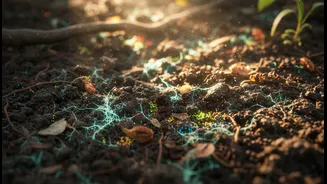
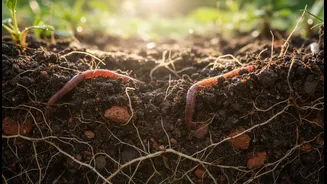
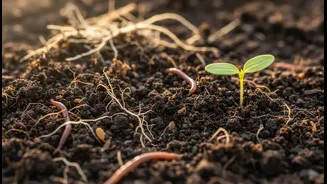
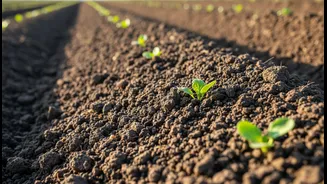
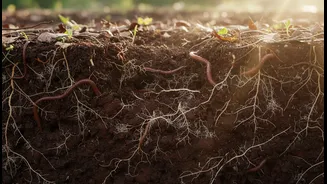
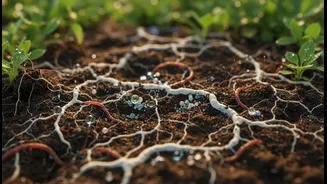
First, let's get one thing straight: healthy soil is not just dirt. It's a teeming, complex ecosystem, a living layer of earth packed with billions of microbes, fungi, and other organisms. This vibrant community works to break down organic matter, cycle
nutrients, and create a structure that can support life. Think of it as a bustling underground city. Healthy soil is porous and full of organic matter, which allows it to hold water, provide essential nutrients to plants, and, most importantly for our climate, store enormous amounts of carbon. When we talk about soil health, we're talking about keeping this subterranean world alive and functioning.
The Great Carbon Sink
So, what’s the connection to climate change? It all comes down to carbon. Through photosynthesis, plants pull carbon dioxide (CO2) from the atmosphere. When these plants and other organisms decompose, that carbon is added to the soil. Healthy, undisturbed soil can lock away this carbon for decades, or even millennia, making it one of the planet's largest carbon reservoirs—second only to the ocean. In fact, soils hold about three times more carbon than the atmosphere and four times more than all living plants and animals combined. The problem is, for the last century, many conventional farming practices like intensive tilling have disturbed the soil, releasing huge amounts of this stored carbon back into the atmosphere as CO2.
Why Is This a Big Deal Now?
For years, soil was the unsung hero. Now, a convergence of factors has pushed it into the spotlight. Scientists and bodies like the Intergovernmental Panel on Climate Change (IPCC) increasingly recognise that land management is a major tool for climate action. At the same time, a global movement around 'regenerative agriculture' is gaining momentum. This approach focuses on practices that rebuild soil organic matter and restore degraded soil biodiversity. In India, government initiatives like the Soil Health Card scheme and the National Mission on Sustainable Agriculture are also bringing a renewed focus to the ground beneath our farmers' feet, aiming to make soils chemical-free and arrest erosion.
A Farmer's Best Friend
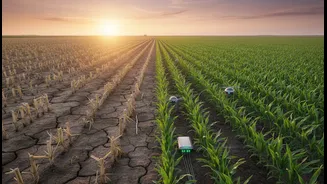
The benefits of healthy soil go far beyond just carbon storage. For farmers, it's a game-changer. Healthier soils are more resilient to both droughts and floods because they can absorb and hold more water. This is a critical advantage in a country like India, which faces increasingly extreme weather events. Healthier soils also lead to healthier plants that are more resistant to pests and diseases, reducing the need for expensive chemical fertilizers and pesticides. This can improve crop yields and boost farmer incomes, all while producing more nutritious food for everyone. It’s a win-win for both the environment and the economy.
The Road Ahead Is Not Always Smooth
Transitioning to soil-friendly farming isn't a simple flip of a switch. Farmers face real challenges. The initial years of switching to regenerative practices can sometimes lead to temporary dips in yield as the soil ecosystem recovers. There are also upfront costs for new equipment or different types of seeds, like cover crops. Furthermore, there's a significant knowledge gap, and farmers need training and support to adopt these new methods successfully. Overcoming these hurdles requires strong policy support, financial incentives, and a collective effort from governments, scientists, and communities to help farmers make the transition.