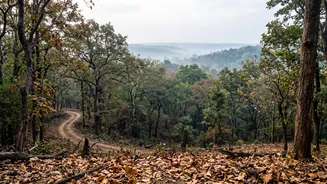



This winter, a change is in the air, and it smells like pine needles and damp earth. India’s families and youth are trading cityscapes for forest trails, sparking a significant surge in wildlife tourism across the nation's reserves.
A Growing Call of the Wild
The desire for authentic,
nature-based experiences is reshaping India's domestic travel landscape. After years of restricted movement, there's a clear trend towards holidays that offer more than just relaxation. Travellers are seeking connection, adventure, and a break from the digital world, and wildlife reserves are fitting the bill perfectly. Tourism experts note that this isn't just a fleeting trend but a deeper shift in values. Families want educational, screen-free experiences for their children, while young adults are driven by a mix of adventure and a growing consciousness about conservation. This winter, the appeal is even stronger, as the cooler, pleasant weather in most parks makes for comfortable safaris and outdoor activities from dawn till dusk. This has led to a noticeable uptick in bookings, with some popular zones in high-demand parks like Jim Corbett selling out weeks or even months in advance.
Why the Wilderness Resonates Now
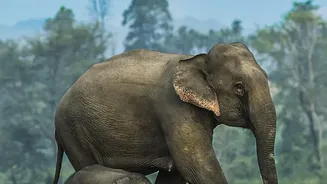
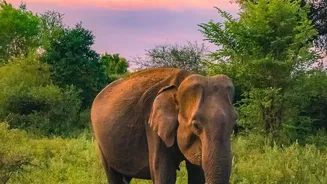
Several factors are fuelling this boom. Improved infrastructure, including better highways and connectivity to remote areas, has made many national parks more accessible. Furthermore, a renewed focus on eco-tourism and sustainability by government bodies and private operators is attracting a more mindful traveller. For young Indians, the visual allure of a misty morning safari or a rare animal sighting is a powerful draw, often shared across social media platforms, which in turn inspires their peers. There is also a greater appreciation for India’s own natural heritage. Rather than heading abroad, many are discovering the incredible biodiversity in their own backyard, from the tigers of Rajasthan to the elephants of Uttarakhand.
Top Destinations for the Winter Season
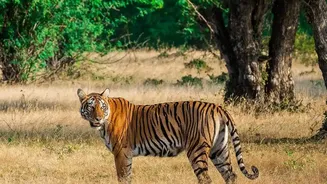
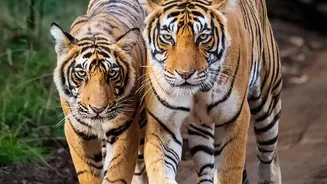
While India has over 100 national parks, a few stand out as winter favourites. Ranthambore National Park in Rajasthan, known for its dramatic forts and high chances of tiger sightings, remains a top choice for families and first-timers. The pleasant winter sun makes it ideal for spotting animals basking in the open. Jim Corbett National Park in Uttarakhand, India's oldest, is another classic destination, popular for its varied landscapes and rich population of tigers, elephants, and birds. Its various zones, like Dhikala and Bijrani, which reopen post-monsoon, see immense demand. In Central India, parks like Kanha and Bandhavgarh offer a dense jungle experience, famed for being the inspiration behind 'The Jungle Book' and having a high tiger density, respectively. For those seeking something different, Kaziranga in Assam offers breathtaking views of the one-horned rhinoceros in its foggy grasslands, while Gir in Gujarat provides the only opportunity in the world to see Asiatic lions in the wild.
More Than Just a Safari
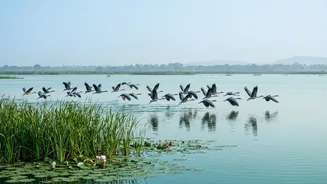
The modern wildlife trip is an immersive experience. It's no longer just about ticking a tiger off a list. Travellers are engaging in a wider range of activities. Birdwatching has become a major attraction, with winter bringing a host of migratory species to parks across the country, turning lakes and wetlands into vibrant ecosystems. Many lodges and resorts now offer junior naturalist programs to keep children engaged and teach them about conservation in a fun, interactive way. Photography workshops, nature walks with trained guides, and exploring the history and culture surrounding the parks, like visiting the ancient Ranthambore Fort, are also becoming integral parts of the itinerary. This holistic approach ensures that a trip to a forest reserve is enriching for every member of the family, creating lasting memories beyond the jeep safari.