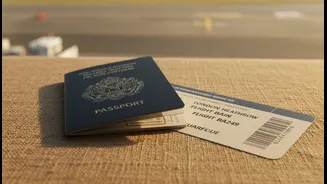









Good News for Travellers Confirmed
In a decision that brings clarity to thousands of Indian travellers, the Thai cabinet has confirmed that Indian passport holders will continue to benefit from visa-free entry. The announcement on July 14, 2026, put an end to weeks of uncertainty following
a proposal in May to overhaul the country's visa framework. Under the now-confirmed rules, Indian tourists can enter Thailand without a visa for a stay of up to 30 days. This is a change from the previous temporary 60-day visa-free period, but it crucially avoids a revert to the more restrictive and costly 15-day visa-on-arrival system. The move is designed to provide stability for travellers and the tourism industry, which saw a nearly 20% drop in Indian arrivals after the confusing May announcement.
Why Indian Tourists Are a Priority
Thailand's decision is a direct reflection of the Indian traveller's immense value to its economy. India has solidified its position as one of Thailand's top three sources of tourism, alongside China and Malaysia. In 2025, nearly 2.5 million Indian visitors travelled to Thailand, contributing significantly to the country's tourism revenue. Projections for 2026 aim even higher, targeting 2.55 million visitors. Indian tourists are a diverse group, ranging from young backpackers and families to high-spending wedding parties and wellness seekers. The average Indian visitor's spending on accommodation, food, shopping, and attractions is a vital driver for the local economy. This economic reliance prompted a swift government reaction when the threat of stricter visa rules caused a downturn in bookings from India.
The 30-Day Sweet Spot
While the reduction from a 60-day to a 30-day stay might seem like a downgrade, Thai authorities have positioned it as a strategic alignment with actual travel patterns. According to official data, the average stay for an Indian tourist is just over seven days. A 30-day visa-free window is therefore more than sufficient for the vast majority of holidaymakers and short-term business travellers. This duration provides ample time to explore popular circuits like Bangkok, Pattaya, and Phuket, or even venture to destinations like Chiang Mai and Krabi, without the administrative hassle of a pre-arranged visa. For those planning longer stays, options to apply for a 60-day tourist e-visa before departure remain available.
A Competitive Tourism Landscape
Thailand's move also needs to be seen in the context of a highly competitive regional tourism market. Several other Southeast Asian nations are actively courting the booming Indian outbound travel market. Countries like Malaysia and Sri Lanka have also rolled out visa-free policies to attract Indian tourists. By reaffirming its commitment to easy access, Thailand ensures it remains a top-of-mind, hassle-free destination. The policy helps it compete directly with neighbours who are also vying for a share of the billions of dollars Indian tourists are projected to spend on outbound travel in the coming years. The convenience of a short flight combined with a straightforward entry process is a powerful combination in retaining market share.
What You Need to Know Before You Go
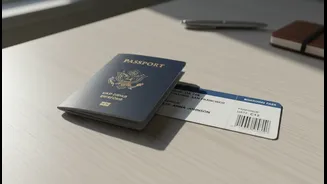
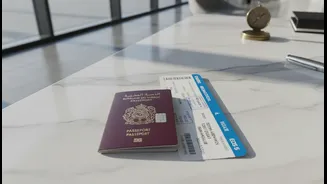
While the visa is waived, travellers still need to be prepared. A passport with at least six months of validity from your date of entry is essential. Airlines and immigration officials may also ask for proof of a confirmed return or onward flight ticket and details of your accommodation. Although not always checked, proof of sufficient funds for your stay is another formal requirement. It is also important to note that the new regulations will officially come into effect 15 days after being published in Thailand's Royal Gazette. Travellers arriving before that date will be granted entry under the terms in place at the time of their arrival. For now, the path is clear for your Thai adventure, from its bustling city streets and serene temples to its world-famous beaches and delicious cuisine.