


The Ancient Art of Natural Preservation
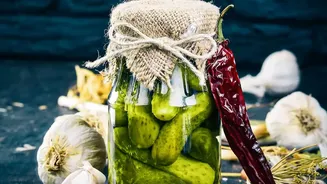
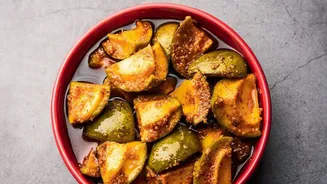
For generations, Indian kitchens have mastered the art of making flavours last, long before refrigerators became a household staple. Heritage chutneys and pickles rely on a powerful quartet of natural preservatives: salt, sugar, oil, and spices. Salt
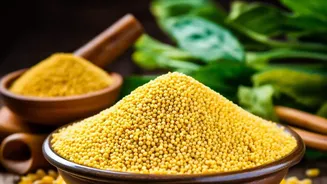
and sugar are excellent preservatives because they draw water out of food, creating an environment where spoilage-causing microbes can't survive. Similarly, a generous layer of oil, often mustard or sesame, acts as a physical barrier, sealing the food from contact with air and preventing oxidation. This ancient technique, known as 'achaar', is a science in itself. Spices like turmeric, mustard seeds, and asafoetida (hing) aren't just for flavour; they possess potent antimicrobial and antioxidant properties that further prevent spoilage and add to the chutney's health profile. This combination of ingredients doesn't just preserve the food; it often enhances its nutritional value through processes like fermentation, which can introduce beneficial probiotics.
The Modern Science of Mass-Produced Sauces
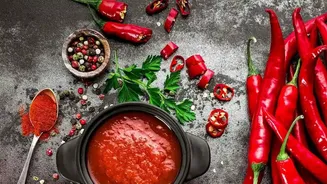
Walk down any supermarket aisle and you'll find sauces designed to sit on shelves for months, even years. This remarkable shelf-life is achieved not through traditional methods, but with a cocktail of synthetic additives. Mass-produced sauces rely on artificial preservatives to prevent the growth of bacteria, mould, and yeast. Common culprits include sodium benzoate, potassium sorbate, and sulphites. While regulatory bodies deem them safe in small quantities, concerns exist about their cumulative effect from a diet rich in processed foods. Some studies have linked certain synthetic preservatives to health issues ranging from minor sensitivities to more significant concerns. Beyond preservatives, these sauces often contain stabilisers and emulsifiers to maintain a consistent texture, and artificial colours and flavours to make them visually appealing and tasty—additives that offer no nutritional benefit.
A Head-to-Head Health Comparison
When you place a traditional chutney next to a commercial sauce, the health differences are stark. The most significant issue with store-bought sauces is their incredibly high sugar and sodium content. Sugar is often the first or second ingredient, with a single serving containing more sugar than a soft drink. This 'sugar bomb' contributes to weight gain and increases the risk of metabolic issues. Homemade chutneys, on the other hand, give you complete control over sugar and salt. Furthermore, heritage chutneys are packed with the goodness of their base ingredients—be it the Vitamin C from amla, the iron from curry leaves, or the digestive benefits of mint and coriander. These fresh, whole ingredients provide vitamins, minerals, and antioxidants that are often lost or absent in their processed counterparts. A homemade mint chutney, for example, has drastically less sugar and sodium, more fibre, and zero chemical preservatives compared to a typical store-bought ketchup.
Freshness, Flavour, and Your Well-being
The superiority of heritage chutneys extends beyond just avoiding harmful additives. It’s also about what you gain. Traditional recipes are typically made with fresh, seasonal produce, capturing peak flavour and nutritional value. The mint, coriander, mango, or tomato in a homemade chutney is a world away from the concentrated purees and 'natural flavours' listed on a bottle. This focus on freshness means you are consuming a condiment that is alive with enzymes and nutrients that support digestion and overall health. Mint chutney, often paired with fried foods, is known to aid digestion and reduce inflammation. Coriander chutney is rich in vitamins C and K, while garlic chutney is loaded with antioxidants. This approach views food not just as something to be eaten, but as a way to nourish and protect the body, a philosophy deeply embedded in ancestral wisdom.