



A Symphony for the Senses
There's a unique sensory magic to eating a cutlet while it rains. It’s a study in contrasts. The rhythmic patter of rain outside is met by the sharp sizzle of the cutlet frying in the pan. The cool, damp air that drifts through the window is countered
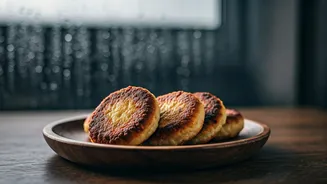
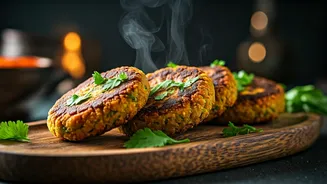
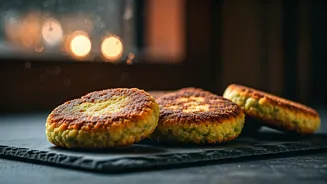
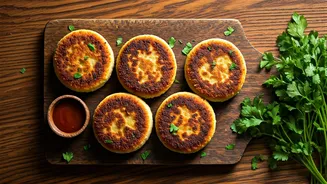
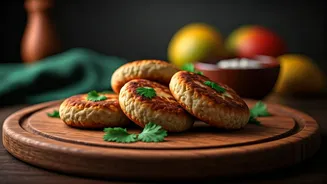
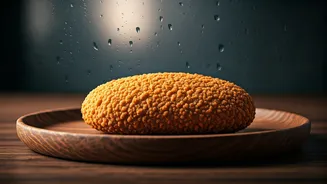
by the warmth radiating from the freshly cooked snack in your hand. The crunchy, golden-brown exterior gives way to a soft, steaming, and flavourful interior. This delightful opposition to the damp and sluggish weather is incredibly satisfying. [2] In fact, experts note that when the environment feels humid and cloudy, a hot, crispy food provides a welcome and comforting sensory break. [2, 7]
The Science of Rainy Day Cravings
This craving isn't just in your head; it has a biological and psychological basis. Gloomy weather and a lack of sunlight can lead to a dip in serotonin, the body's 'happy hormone'. [4, 12] To counteract this, our bodies often crave carbohydrates, which can provide a brief boost to these serotonin levels. [4, 6] Eating energy-dense foods is also a primal instinct. When the temperature drops, your body works harder to maintain its core warmth, a process that requires more energy. [6, 20] A hot, fried cutlet—rich in carbohydrates and fat—delivers exactly the kind of quick, satisfying energy your body instinctively seeks. [6, 18] It’s a form of self-medication, a way to feel happier and warmer when the world outside is cold and grey. [24]
A Bite of Personal History
Beyond the science, the cutlet is a powerful vessel of nostalgia. For many, the taste and smell are inextricably linked to childhood. [10] It evokes memories of a mother or grandmother in the kitchen, expertly shaping and frying these treats as a special rainy-day indulgence. [2, 9] The brain’s limbic system, which processes emotion and long-term memory, is closely linked to our senses of taste and smell. [8, 15] This is why a single bite can transport you back to a time when you felt safe and cared for, making the food more than just sustenance—it becomes an act of emotional comfort. [9, 15] This connection to positive memories and feelings of security is a cornerstone of what makes comfort food so, well, comforting. [17, 18]
The Cutlet's Colonial-Era Journey
The cutlet itself has a fascinating history in India. Originally a French concept of a thin slice of meat on the rib, the 'côtelette' was adapted by the British and brought to the subcontinent. [5, 14] In the Indian climate, where meat could be tough, mincing it and binding it with potato—a vegetable introduced by European traders—was a practical solution. [13, 19] Indian cooks in colonial kitchens then took this technique and made it their own, applying it to a vast array of local ingredients and spices. [14, 16] The meat-based cutlet evolved to include vegetarian versions, with the potato becoming the star. [5] From the Bengali 'chop' to the aloo tikki, the simple cutlet has been adapted into countless regional variations, each with its own unique identity. [5, 14]
A Ritual of Togetherness
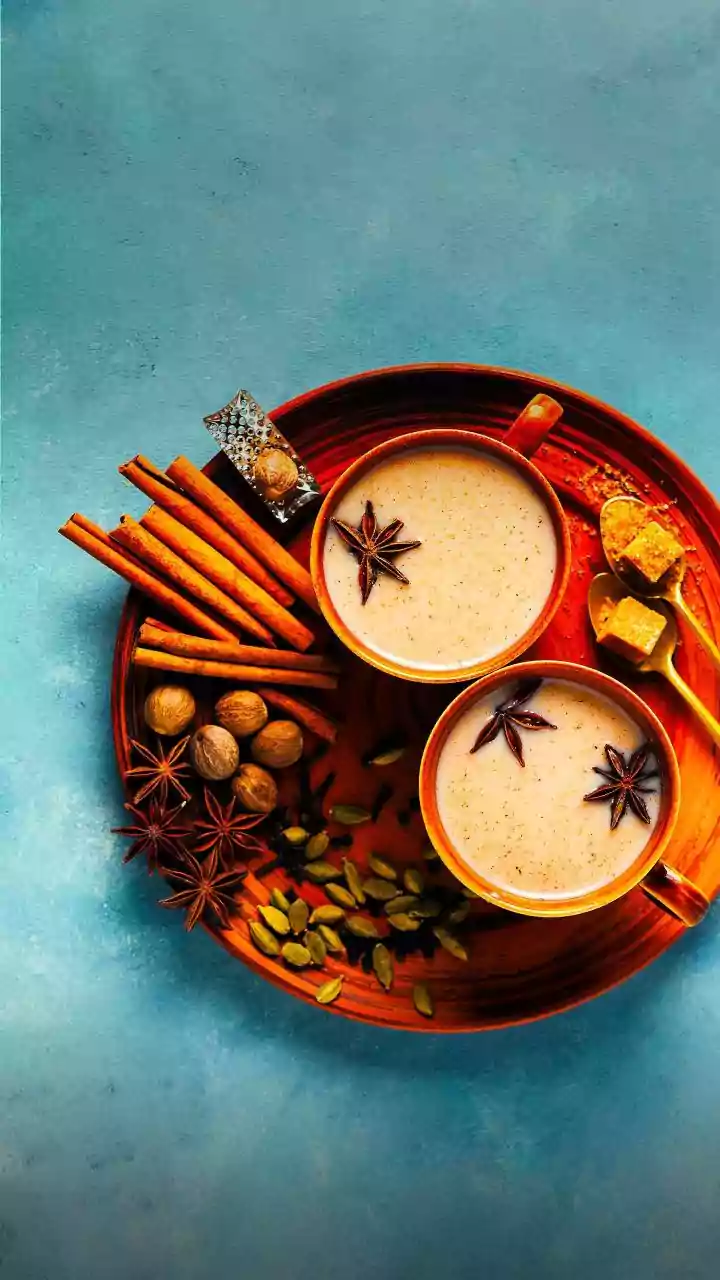
Ultimately, the homemade cutlet is a social food. The monsoon often encourages people to slow down and spend more time indoors. [2] It’s a season for gathering, whether it’s family members huddling in the kitchen or friends making impromptu plans to escape the downpour. In this setting, food becomes a central part of the atmosphere. [2] Sharing a plate of hot, crispy cutlets accompanied by a steaming cup of chai is a ritual of connection. It's a simple, shared pleasure that turns a gloomy day into an opportunity for warmth and conversation, making the humble cutlet a catalyst for creating new, happy memories.