

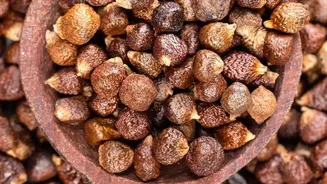

Why Your Kali Mirch Might Be Adulterated
The primary reason for black pepper adulteration is economic. By mixing in cheaper substances that look similar, sellers can increase their volume and profit. Unfortunately, this common practice not only cheats you out of flavour and money but can also
pose health risks. The most frequent adulterants found in whole black pepper are dried papaya seeds, which closely resemble peppercorns, and 'light berries', which are immature peppercorns with little to no flavour. Sometimes, a coating of mineral oil is also applied to make the peppercorns look shinier and more appealing. For ground pepper, the risk is even higher, with fillers like sawdust or bran sometimes being mixed in. Knowing what to look for is the first step toward a safer kitchen.
The Papaya Seed Float Test
One of the most common adulterants, dried papaya seeds, are remarkably easy to detect. This simple test, recommended by the Food Safety and Standards Authority of India (FSSAI), uses just a glass of water. Start by filling a clear glass with plain water. Drop a spoonful of your whole black peppercorns into the glass and stir gently. Now, wait and observe. Pure, dense black peppercorns will sink to the bottom. Papaya seeds, being less dense, will float on the surface of the water. If you see a significant number of 'peppercorns' floating, it is a strong indication that your supply is adulterated.
A Closer Look: Visual and Texture Check
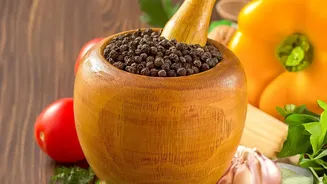
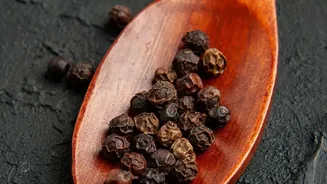
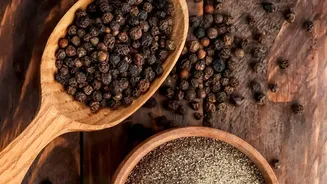
After the float test, you can perform a quick visual inspection. Scoop out some of the suspected adulterants and compare them to the peppercorns that sank. True black peppercorns are typically round with a deeply wrinkled, almost net-like surface. Papaya seeds, in contrast, are often more oval-shaped and have a shrunken but smoother surface. Their colour might also be slightly off, appearing more greenish-brown or blackish-brown. Another simple FSSAI-backed test involves pressing the berries. Place a few on a hard surface and press them firmly with your thumb. A good, mature peppercorn is hard and will not break easily. Lighter, low-quality berries or other adulterants will often crumble under pressure.
Detecting a Mineral Oil Coating
An unnatural sheen on your peppercorns could be a red flag for another type of adulteration: a coating of mineral oil. This is sometimes used to give the spice a glossy, high-quality appearance and to increase its weight. Consuming mineral oil, a petroleum byproduct, can lead to digestive issues and other health concerns. To check for this, take a few peppercorns in your hand and rub them vigorously. If they are coated, you may notice a greasy film on your skin. You can also rub them on a piece of white paper; an oily stain is a tell-tale sign. Another indicator is the smell; sometimes, pepper coated with non-food-grade mineral oil will have a faint, kerosene-like odour.
Making Smarter Choices When Buying Pepper
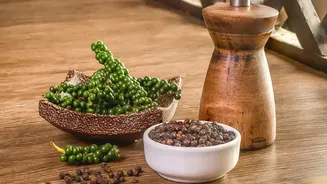
While these home tests are effective for spotting common physical adulterants, they cannot detect chemical contaminants like pesticides or heavy metals, which require laboratory testing. Therefore, prevention is key. The safest practice is to buy whole black peppercorns instead of pre-ground powder, as fillers are much easier to hide in a powdered form. Whenever possible, purchase spices from trusted, reputable brands and vendors. Be wary of prices that seem too good to be true, as unusually cheap pepper is more likely to be compromised. By combining smart purchasing habits with these easy at-home checks, you can confidently enjoy the authentic flavour and health benefits of pure kali mirch.