



Mawsmai Cave, Meghalaya: Walk Through Water
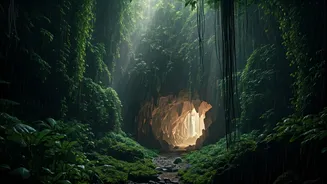
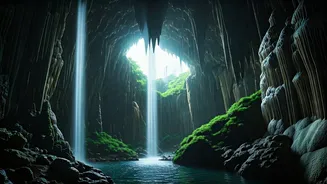
Meghalaya, the ‘abode of clouds’, is a predictable monsoon favourite, but its true magic lies beneath the surface. Mawsmai Cave, near Cherrapunji, transforms into a subterranean wonderland during the rains. While it’s one of the more accessible and well-lit
caves in the region, the monsoon adds a thrilling twist. Streams of water carve new paths through the limestone passages, sometimes rising to knee-height. You're not just exploring a cave; you're wading through a living, breathing system. The constant drip-drip-drip of water echoing off ancient stalactites and stalagmites creates a mesmerising natural soundtrack. The entrance is surrounded by a lush, wet forest, making the entire experience feel like stepping into a fantasy novel. For a slightly more rugged adventure nearby, Arwah Cave offers stunning fossil formations and a darker, more mysterious atmosphere.
Borra Caves, Andhra Pradesh: A River Runs Through It
Nestled in the Ananthagiri Hills of the Araku Valley, the Borra Caves are a spectacle of nature's artistry. Formed by the Gosthani River, these karstic limestone caves are among the deepest in India. During the monsoon, the river swells, and its journey through the caves becomes more dramatic. The sound of rushing water fills the vast chambers, which are illuminated with multi-coloured lights that highlight the incredible shapes of the stalactites and stalagmites—often resembling deities, animals, and human forms. The journey to the caves itself is a major part of the adventure. The train ride through the Araku Valley, with its 40-plus tunnels and panoramic views of rain-washed green hills and gushing waterfalls, is an unforgettable experience. The cool, damp air inside the caves offers a perfect respite, making it an ideal destination to witness the monsoon's creative force.
Patala Bhuvaneshwar, Uttarakhand: A Spiritual Underworld
For an adventure that blends geology with mythology, head to Patala Bhuvaneshwar in the Kumaon region of Uttarakhand. This is not just a cave; it's a sacred temple complex hidden 90 feet below the ground. According to Hindu scriptures, this limestone cave enshrines Lord Shiva and thirty-three crore deities. The monsoon season makes the journey to this remote location exceptionally scenic, with misty mountains and vibrant green landscapes. Inside, you descend into a narrow, tunnel-like opening to reveal a series of caves with awe-inspiring formations. The mineral deposits over centuries have created shapes that are believed to represent various gods, goddesses, and mythological events, from the hairs of Lord Shiva to the celestial elephant Airavata. The air is thick with devotion and the smell of damp earth. It’s a powerful, spiritual journey into the planet’s core, shielded from the downpour above.
Udayagiri & Khandagiri Caves, Odisha: History in the Rain
While not as deep as geological caverns, the Udayagiri and Khandagiri caves near Bhubaneswar offer a different kind of underground monsoon adventure. These intricately carved rock-cut shelters, dating back to the 1st century BCE, were created for Jain monks. Visiting during the monsoon allows you to experience them as their original inhabitants did: as a refuge from the elements. From the vantage point of the upper caves, particularly on Khandagiri hill, you can watch the rain sweep across the plains of Odisha. The wet, dark stone of the caves takes on a dramatic sheen, highlighting the ancient carvings of court scenes, royal processions, and mythological tales. The Rani Gumpha (Queen's Cave) in Udayagiri, with its double-storeyed structure and detailed friezes, is particularly impressive when glistening with rainwater. It’s a chance to connect with history while being enveloped by the raw beauty of the season.