







As winter arrives in India, so does the familiar grey haze of smog. While we see the pollution outdoors, the air inside our homes, where we spend most of our time, can be just as hazardous. Here’s why protecting your indoor air is crucial.
The Unseen Threat in Winter Air
Winter smog
is more than just a foggy inconvenience; it's a toxic cocktail of pollutants trapped near the ground by cold air. The biggest culprit is PM2.5—fine particulate matter so small (about 30 times thinner than a human hair) that it can bypass your body's natural defences, penetrate deep into your lungs, and even enter your bloodstream. This phenomenon, worsened by a weather effect called thermal inversion, means that pollutants from traffic, industry, and stubble burning linger at breathing level for days, creating a serious public health risk.
More Than Just a Winter Cough
The health effects of smog exposure go far beyond a scratchy throat or a persistent cough. Short-term symptoms include eye irritation, headaches, and shortness of breath. However, long-term exposure to PM2.5 is linked to severe conditions like chronic bronchitis, reduced lung function, heart disease, stroke, and an increased risk of respiratory infections. Children, the elderly, and those with existing conditions like asthma are especially vulnerable, but winter smog affects everyone, even healthy individuals.
Your Home Is Not a Safe Haven
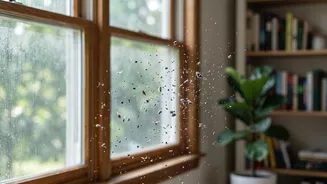
Many believe that shutting windows and doors is enough to keep pollution out. Unfortunately, that’s a myth. PM2.5 particles are so tiny they easily infiltrate homes through small gaps and cracks. Furthermore, indoor air quality can sometimes be two to five times worse than outdoor air, as outdoor pollutants mix with indoor sources like cooking fumes, cleaning products, and dust. Without proper filtration, these pollutants get trapped and accumulate, turning your home into a reservoir of hazardous air.
How Air Purifiers Create a Clean Air Zone
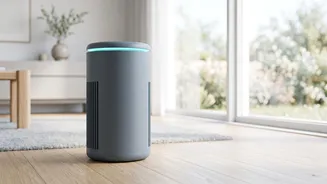
This is where an air purifier becomes an essential tool. These devices work by drawing in a room's air and passing it through a series of filters. The most important of these is the High-Efficiency Particulate Air (HEPA) filter. A true HEPA filter is certified to capture 99.97% of particles as small as 0.3 microns, effectively trapping PM2.5, dust, pollen, and pet dander. Many purifiers also include an activated carbon filter, which absorbs gases, odours, and volatile organic compounds (VOCs) that HEPA filters can't catch.
Choosing the Right Shield for Your Home
When selecting an air purifier, the most critical specification to check is the Clean Air Delivery Rate (CADR). CADR measures the volume of filtered air the device delivers per minute. The general rule is to choose a purifier with a CADR rating that is at least twondthirds of your room's area in square feet. For example, a 300ndsquarendfoot room needs a purifier with a CADR of at least 200. Matching the CADR to your room size ensures the purifier can effectively clean the air multiple times per hour, providing a constant supply of clean air.
Making the Most of Your Purifier
To maximize effectiveness, run your air purifier continuously, especially in the bedroom where you spend a large portion of your time. Keep doors and windows closed to create a sealed environment, allowing the purifier to work efficiently. Place the unit in an open area, at least a foot away from walls or furniture, to ensure unobstructed airflow. Finally, remember to clean or replace the filters according to the manufacturer's instructions. A clogged filter can't do its job, so regular maintenance is key to breathing cleaner, safer air all winter long.