








What Exactly Is Dragon Fruit?
Dragon fruit, also known as pitaya, is a tropical fruit that grows on a climbing cactus. Though originally native to Central and South America, its popularity has spread globally, and it's now increasingly cultivated in several Indian states, including
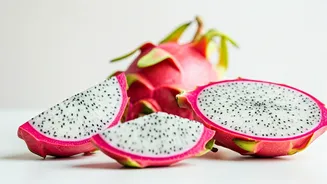
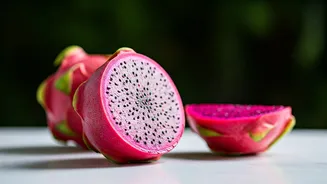
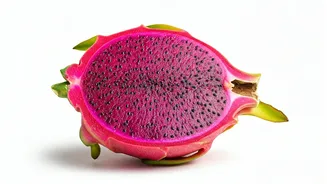
Maharashtra, Karnataka, and Gujarat. Its appearance is its most striking feature—typically with bright pink or red skin and green, leaf-like scales. Inside, the flesh is usually white or red, speckled with tiny, edible black seeds that give it a texture similar to kiwi fruit. The flavour is mildly sweet, often described as a cross between a pear and a kiwi. Once considered an exotic import, this superfruit is becoming a more common sight in local markets, thanks to a surge in domestic farming.
A Nutritional Powerhouse
Don't let its mild taste fool you; dragon fruit is packed with essential nutrients. It's low in calories but rich in vitamins and minerals, including Vitamin C, iron, and magnesium. A single-cup serving provides a substantial amount of dietary fibre, which is crucial for maintaining a healthy digestive system and can help you feel full for longer, aiding in weight management. The fruit is also a source of beneficial plant compounds and powerful antioxidants. Red-fleshed varieties, in particular, contain betalains, the same pigments that give beetroot its deep colour, which have been linked to various health benefits.
A Boost for Your Gut and Immunity
One of the most significant benefits of dragon fruit lies in its effect on gut health. It contains prebiotics, which are a type of fibre that feeds the beneficial bacteria (probiotics) in your gut, such as lactobacilli and bifidobacteria. A healthy gut microbiome is essential not just for good digestion but also for a strong immune system. By promoting the growth of these friendly bacteria, dragon fruit can help improve the balance in your gut, potentially reducing the risk of digestive tract infections. Furthermore, the high Vitamin C content in dragon fruit also plays a direct role in strengthening your immune system, helping your body fight off infections.
Rich in Disease-Fighting Antioxidants
Antioxidants are substances that protect your cells from damage caused by unstable molecules called free radicals, which are linked to chronic diseases like heart disease, cancer, and arthritis. Dragon fruit is loaded with several potent antioxidants, including flavonoids, phenolic acid, and betacyanin. These compounds work to neutralize harmful free radicals, thereby reducing inflammation and protecting your cells from oxidative stress. Studies suggest that diets rich in antioxidants can help prevent chronic conditions. The red-fleshed varieties are particularly rich in lycopene and betalains, which have been noted for their potential to help lower bad cholesterol (LDL).
How to Choose and Enjoy Dragon Fruit
Choosing a ripe dragon fruit is simple: look for one with bright, evenly coloured skin. It should be firm but give slightly when you press on it, similar to a ripe avocado. Avoid fruits with too many brown spots or dry, brittle stems. Prepping it is just as easy. Simply slice the fruit in half lengthwise and scoop out the flesh with a spoon. You can also peel the skin away—it usually comes off easily—and cut the flesh into cubes. Enjoy it fresh on its own, add it to fruit salads for a pop of colour, blend it into smoothies and smoothie bowls, or even use it to make a fresh salsa to top grilled fish. The tiny black seeds are completely edible and provide a pleasant crunch.