




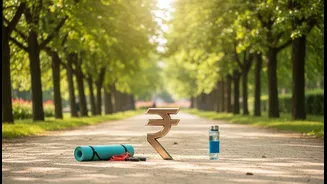




What is a Preventive Fitness Policy?
Imagine a future where your office encourages a midday walk, your local park has free-to-use gym equipment, and city planning prioritises cycle lanes over new roads. That's the core idea behind a Preventive Fitness Policy. It's not a single law but a comprehensive
strategy to make physical activity an easy and natural choice for everyone. The focus shifts from a reactive approach, where we treat diseases after they appear, to a proactive one that prevents them from developing in the first place. In India, where non-communicable diseases like diabetes and heart conditions are surging, this shift is critical. The policy would work on two main fronts: integrating fitness into corporate culture and embedding it within public health infrastructure.
Fitness as a Corporate Responsibility
For years, corporate wellness in India was limited to health insurance and annual checkups. A preventive fitness approach reimagines the workplace as a hub for well-being. This goes beyond subsidised gym memberships. Progressive companies are already seeing the benefits of on-site fitness centres, yoga sessions, and mental wellness programs. The results are tangible: lower absenteeism, increased productivity, and better employee retention. The data suggests that for every rupee spent on prevention, companies can save significantly on healthcare costs and lost productivity due to illness. Furthermore, with new labour codes emphasising employer responsibility for employee health, structured wellness programs are becoming a legal and strategic necessity, not just a perk.
Public Health and an Active Nation
On a national level, a preventive fitness policy would align with initiatives like the Fit India Movement, which aims to make fitness a part of daily life for all citizens. The goal is to create an environment that encourages movement. This could mean building more parks, safe walking paths, and cycle-friendly corridors in our cities. Public-private partnerships could play a huge role in developing this infrastructure. The government’s role would be to create policies that promote physical activity in schools, communities, and urban planning. By integrating health considerations into everything from education policy to transportation projects, we can tackle inactivity at its roots. The National Education Policy 2020 already hints at this by aiming to remove the line between curricular and extra-curricular activities, making physical literacy a core part of schooling.
The Path Forward and Challenges
Implementing such a policy is not without challenges. It requires a significant cultural shift from being a nation of sports spectators to active participants. A study showed that over half of the Indian population does not meet the WHO's recommended physical activity levels, putting them at higher risk for NCDs. Ensuring sustained participation and expanding access to fitness resources, especially in rural areas, will be a major hurdle. However, the potential rewards are immense. An active population is a healthier, more productive, and happier one. It reduces the immense strain on our healthcare system and boosts the economy. A preventive fitness policy provides a framework to build a healthier India, one step, one cycle, and one workplace at a time.