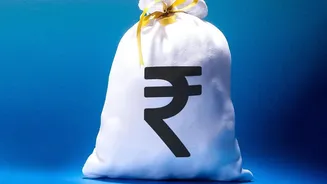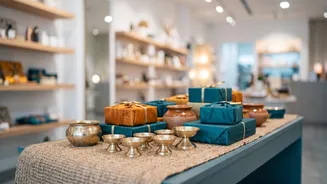









The festive season is a critical barometer for India's economic health, but this year, the readings are complex. While spending continues, a clear trend of caution is emerging as shoppers navigate rising prices and economic uncertainty.
A Tale of Two Shoppers
This year's festive
shopping season in India is painting a complicated picture, one that speaks of both continued spending and significant caution. On one hand, early data from the Retailers Association of India (RAI) showed an 8% year-on-year growth in retail sales for September, a period leading into the main festive rush. Online platforms also reported a strong start, with an estimated Rs 24,200 crore in gross merchandise value in early October. However, a closer look reveals a more hesitant consumer. A survey by LocalCircles projected a 6% decline in total festive spending by urban households, from Rs 2.10 lakh crore in 2025 to Rs 1.97 lakh crore in 2026. This suggests that while many are still opening their wallets, the overall mood is far from exuberant, with nearly a third of urban households planning no discretionary spending at all.
Inflation's Long Shadow
The primary driver behind this caution is persistent inflation. Retail inflation climbed to 5.54% in September, with food inflation hitting a more concerning 7.74%. This directly impacts household budgets just as festive shopping lists are being drawn up. The price pressure is being felt across key festive categories. Shoppers have seen significant year-on-year inflation in silver jewellery, while gold, apparel, and home appliances have also become costlier. Consequently, consumers are adapting. A YouGov India report found that 26% of consumers plan to stick to their budget but shop smarter, while another 23% intend to cut back on non-essential purchases. Only 14% expected to spend more than last year, highlighting a widespread recalibration of festive budgets.
Shifting Category Preferences
This cautious mindset is reshaping what people are buying. Big-ticket items appear to be taking a backseat for many. For instance, after a record year in 2025, Apple's iPhone sales reportedly fell by as much as 30% around Dussehra due to higher prices and fewer discounts. The passenger vehicle segment has also shown signs of moderation, with registrations declining 6% in the first two weeks of the festive season, even as two-wheeler sales grew. In contrast, essentials and smaller discretionary purchases are holding up better. Apparel and clothing remain a top priority, with 72% of households planning to spend in this category. Quick service restaurants (QSR) and food & grocery have also shown strong growth. This indicates a flight to value and necessity, where shoppers prioritize smaller joys and essential festive preparations over major splurges.
The Search for Value and Deals
The hunt for value is now a defining feature of the 2026 festive season. Consumers are actively seeking deals, with 57% citing discounts as a key reason to shop, according to a survey by Datum. The same survey found that 51% pointed to affordable EMIs as a crucial factor, signaling a greater reliance on credit to manage expenses. This behaviour is evident in online shopping trends, where a projected 25–29% growth in sales value is expected to be driven more by a higher number of orders than by an increase in average spending per order. Shoppers are buying more frequently but in smaller amounts, likely to take advantage of various platform–specific sales. The trend is particularly strong in Tier II and III cities, which are driving a significant portion of the demand for major e–commerce players like Flipkart and Amazon.