





Why Homemade Sandwiches Fall Flat
The dream is a sandwich that’s crunchy on the outside with a warm, perfectly melted interior. The reality, often, is a little disappointing. Homemade toasted sandwiches frequently suffer from a few common issues. One is uneven heating; the bread might
burn in spots before the filling is warm. Another culprit is moisture. Ingredients like tomatoes and cucumbers can release water, turning the bread soggy from the inside out. Finally, the choice of fat and how it’s applied plays a huge role. Cold butter can tear soft bread and doesn't spread evenly, leading to a patchy, inconsistent toast that lacks that all-over golden crispness we associate with a professionally made sandwich.
The Simple Trick: Use Mayonnaise, Not Butter
Here it is, the simple but game-changing trick used by chefs and diners: spread a thin layer of mayonnaise on the outside of your bread instead of butter. While it might sound unusual, there’s solid science behind it. Mayonnaise is an emulsion of oil and egg, which gives it a higher smoke point than butter. This means it can withstand a higher heat without burning. As a result, the bread toasts more evenly to a beautiful, consistent golden-brown, giving you more time for the filling to get perfectly warm and melty. Plus, unlike cold butter, mayonnaise spreads easily and evenly straight from the jar, creating a perfect, gap-free layer for an unparalleled crunch. The subtle tang also adds a layer of flavour you might be surprised to enjoy.
How to Perfect the Technique
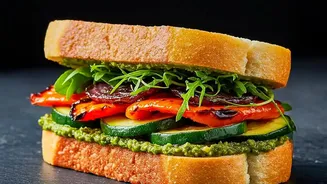
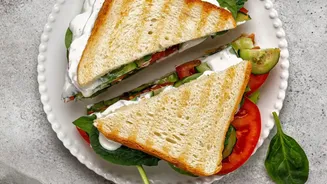
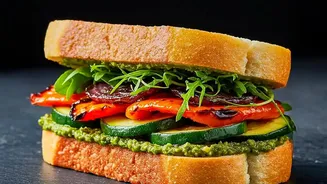
Ready to try it? Start by assembling your vegetarian sandwich as you normally would. For fillings, think about classics like a spicy potato and onion mix, paneer bhurji, or a simple yet satisfying cheese and tomato. Once your sandwich is built, use a knife or spatula to spread a thin, even layer of mayonnaise on the outer surfaces of both slices of bread. You don't need a thick coating; just enough to cover the surface. Heat a non-stick pan or a cast-iron skillet over medium heat. A low and slow approach is key to success. Place the sandwich in the preheated pan and cook for 3-5 minutes per side. You can press down gently with a spatula to ensure even contact with the pan. Cook until each side is deeply golden-brown and crispy, and the filling is heated through. The result is a crunch that rivals any café.
Choosing the Right Building Blocks
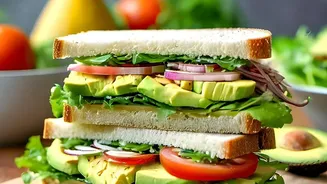
While the mayonnaise trick is transformative, other elements contribute to sandwich perfection. The bread is your foundation. Sturdy, crusty breads like sourdough, ciabatta, or a hearty whole-grain loaf hold up better to toasting and fillings. Softer breads can work, but a more robust slice will prevent the sandwich from collapsing. Managing moisture is also critical. If using 'wet' ingredients like sliced tomatoes or pickled jalapeños, pat them dry with a paper towel before adding them. You can also create a 'moisture barrier' by placing ingredients like lettuce or a slice of cheese between the bread and the wetter fillings, protecting the bread from becoming soggy.