

Every festive season has its signature flavours, and for Diwali in Maharashtra, it’s all about 'Faral'. This platter of sweet and savoury snacks, once a closely guarded family tradition, is now finding a national audience.
The Heart of a Maharashtrian Diwali
For generations, the arrival
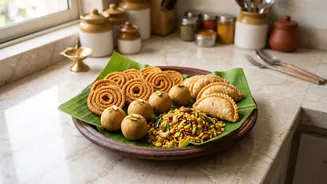
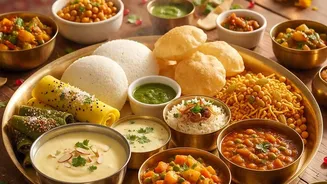
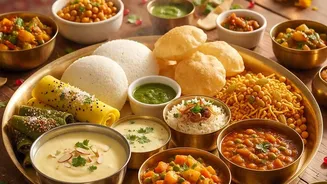
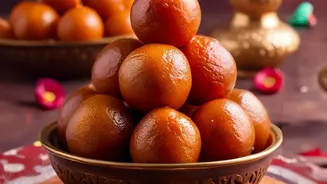
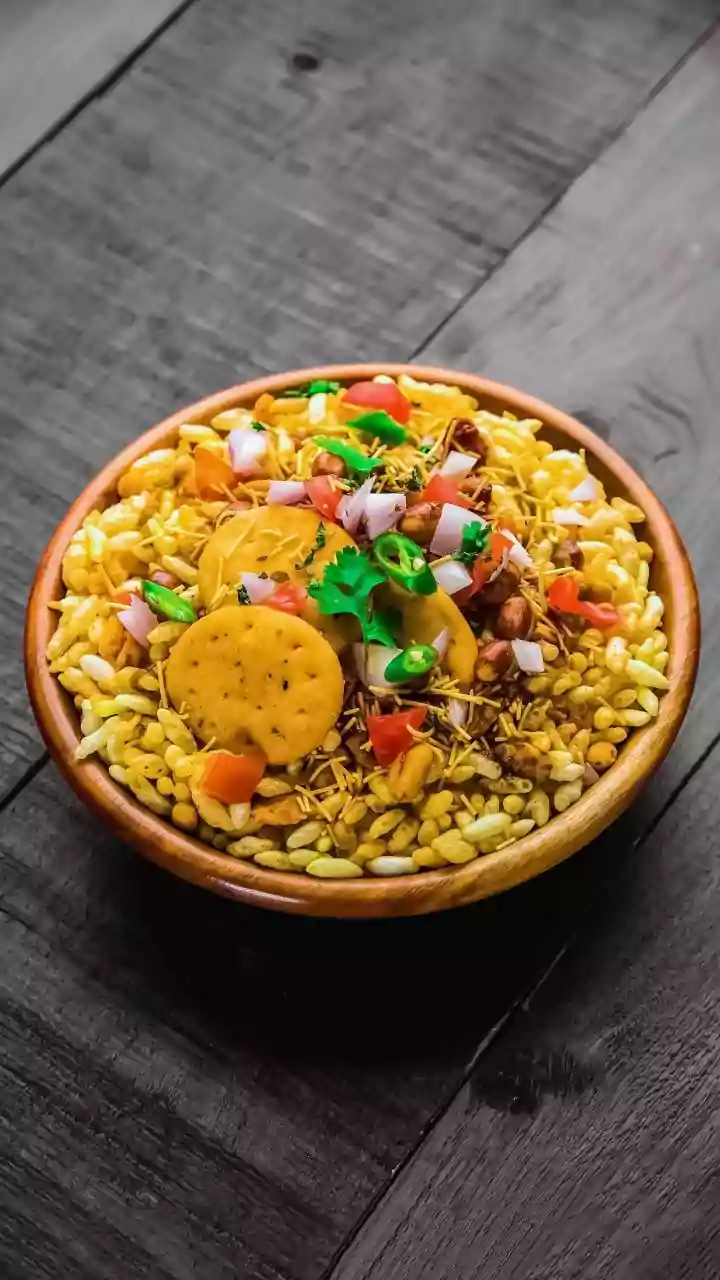
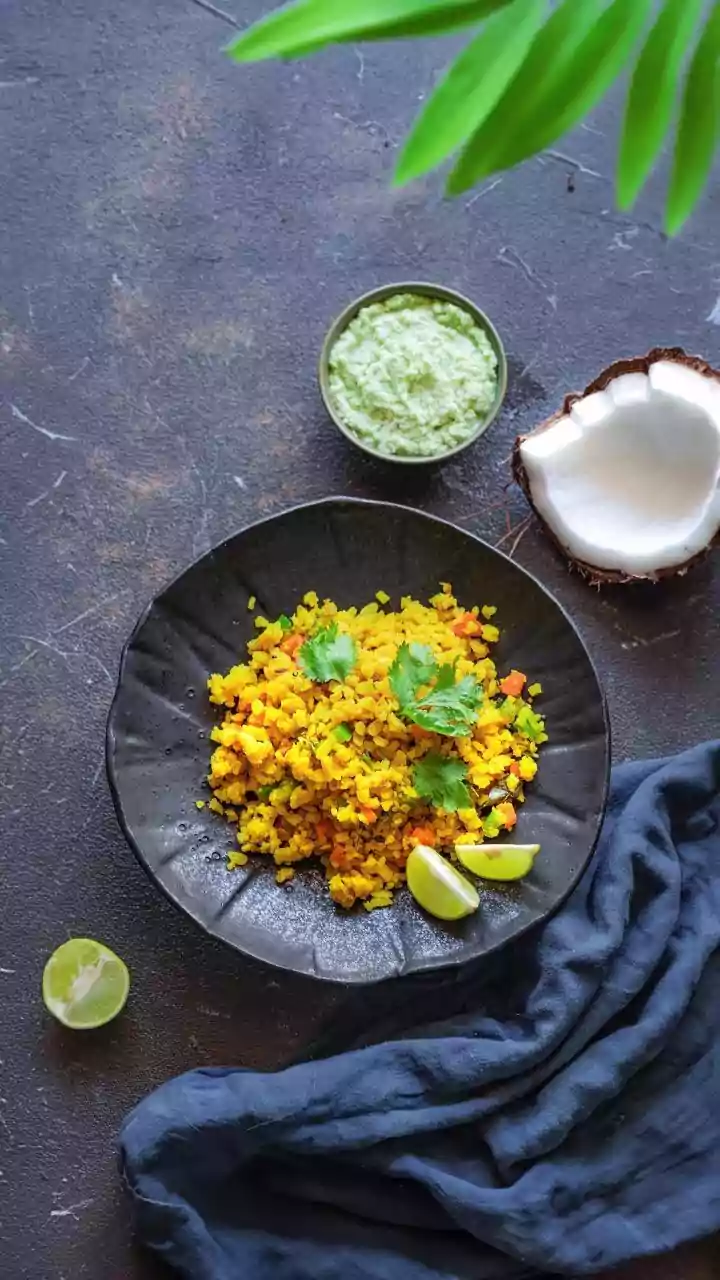
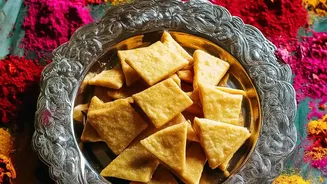
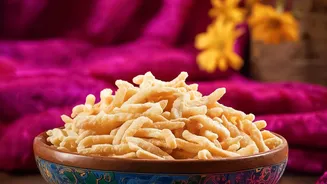
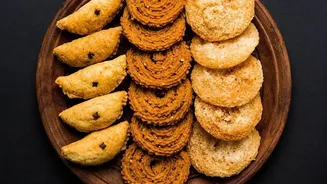
of Diwali in Maharashtrian homes has been heralded by the aroma of freshly prepared Faral. It's not a single dish, but an assortment of snacks made in large batches to be shared with family and guests throughout the festival. The spread is a delightful study in contrasts. On the savoury side, you'll find the iconic spiral-shaped 'Chakli', a crunchy snack made from rice and gram flour. Then there's the light and airy 'Poha Chivda', a mix of flattened rice, peanuts, and spices. Balancing these are sweets like 'Shankarpali', diamond-shaped fried dough that can be either sweet or savoury, and 'Karanji', a crescent-shaped pastry with a sweet coconut filling. Each item, from the dense 'Besan Ladoo' to the patient, fermented 'Anarsa', tells a story of tradition, prepared with techniques passed down from grandmothers to the next generation.
From Family Kitchens to Viral Videos
Traditionally, Faral recipes were an intimate affair, shared within families and communities. Today, that kitchen has expanded to include millions of screens. Social media platforms like Instagram and YouTube have become the new frontier for these age-old recipes. Home cooks and professional food creators, many of them Maharashtrians passionate about their culinary heritage, are documenting and sharing these traditions in visually appealing formats. Short-form videos, like Instagram Reels, are perfectly suited to showcase the intricate process of making a Chakli or the satisfying moment of frying a batch of Karanji. What was once learned by observation in a family kitchen can now be watched, paused, and replayed by anyone with an internet connection, effectively digitising a rich, intangible cultural heritage.
A Taste of Tradition, No Translation Needed
The genius of these social media channels lies in their ability to bridge cultural and linguistic divides. Creators often use a mix of English, Hindi, and Marathi, making the content accessible to a broader Indian audience. They break down complex, multi-day preparations into simple, step-by-step instructions. Ingredient substitutions are suggested for those who may not have access to specific regional flours or spices. This approach demystifies the process, making Faral seem less intimidating and more achievable for a novice cook in Delhi, Bengaluru, or Kolkata. The visual nature of video means that the language of food—the sizzle of oil, the texture of dough—does the talking, creating a craving that transcends regional boundaries. A short video can be enough to make someone desire a dish they've never tasted before.
A Craving for Authenticity
The rising popularity of regional specialties like Faral speaks to a larger trend. In a world of generic fast food and homogenised tastes, there is a growing appetite for authenticity and connection. People are increasingly curious about India's vast and diverse culinary landscape. Social media has become a powerful tool for this discovery, allowing users to explore the unique flavours of states like Bengal, Tamil Nadu, and Maharashtra from their own homes. For non-Marathi households, trying a Faral recipe is more than just making a snack; it's a way of participating in the festive spirit of Diwali in a new and meaningful way. It fosters a sense of cultural exchange and appreciation, proving that food is a powerful medium for connection.