



The Powerful Taste of Memory
That sudden, intense craving for a specific festive snack is an experience rooted deep in our brain's wiring. Our sense of smell and taste are directly linked to the hippocampus and amygdala, the brain's centres for memory and emotion. This is why the scent
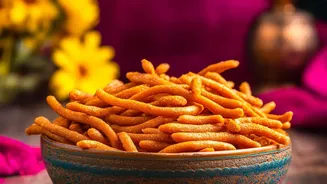
of ghee-roasted besan or the spicy aroma of murukku frying can instantly transport you back to a childhood Diwali, a bustling family kitchen, or the comforting presence of a grandparent. This phenomenon, sometimes called olfactory memory, is more potent than visual or auditory cues at triggering vivid, emotional memories. For busy urbanites, often living miles away from their hometowns, these snacks are not just food; they are edible time capsules, offering a direct, sensory line back to moments of security and happiness.
An Escape From The Digital Grind
Modern life is often lived through screens. Our days are filled with digital notifications, virtual meetings, and the intangible nature of information-based work. Traditional snacks offer a powerful, tangible antidote. The specific crunch of a chakli, the flaky texture of a gujiya, or the dense sweetness of a ladoo provides a multi-sensory experience that grounds us in the physical world. It’s a moment of mindfulness, a break from the abstract. This sensory engagement offers a form of psychological relief, pulling our attention away from stress and anchoring us firmly in a moment of simple, physical pleasure. For someone whose day is spent in the ether of code or spreadsheets, the solid reality of a homemade snack is a welcome and necessary escape.
The Science of Comfort
The term 'comfort food' isn't just a saying; it has a basis in our neurochemistry. Foods, particularly those high in carbohydrates, can help boost levels of serotonin, a neurotransmitter that contributes to feelings of well-being and happiness. This can provide a temporary mood lift during times of stress or sadness. Beyond the chemical reaction, comfort foods are powerfully associated with feelings of safety and security from our childhood. This association, formed over years, means that simply eating these foods can reduce feelings of loneliness and trigger a sense of social connection, even when we're physically alone. The brain essentially remembers feeling safe and loved while eating these foods in the past and recreates a shade of that feeling in the present.
Authenticity in an Age of Commercialization
Festive seasons bring a flood of commercially produced, perfectly packaged snacks and sweets. They are convenient, widely available, and often delicious. Yet, they lack a crucial ingredient: a story. A homemade snack carries with it an identity and an authenticity that a factory-made product cannot replicate. It’s a small act of rebellion against the homogenization of our food culture. Choosing or receiving a homemade snack is choosing a connection to a specific family, a particular recipe passed down through generations, and a taste that is unique and unrepeatable. This authenticity feels more important than ever in cities where everything can feel mass-produced and impersonal.
Effort Is the Sweetest Ingredient
Perhaps the most significant reason for the emotional comfort of homemade snacks is the invisible ingredient of effort. Knowing that someone—a mother, a father, a grandparent—invested their time and energy to prepare these treats is a profound expression of love. The process of making festive snacks is often laborious: the soaking, grinding, shaping, and frying is a ritual that takes days. For a busy city dweller, receiving a dabba filled with these items is receiving a tangible manifestation of care. It’s a message that says, 'You are thought of, you are loved, and a piece of home is with you'. This social and emotional connection is what truly separates a simple snack from a vessel of comfort.