







The Two Sides of Greening
On paper, India is a global leader in greening. Studies project that the country's ability to absorb carbon dioxide through photosynthesis, known as Gross Primary Production (GPP), could nearly double by the end of the century. This trend is fueled by two
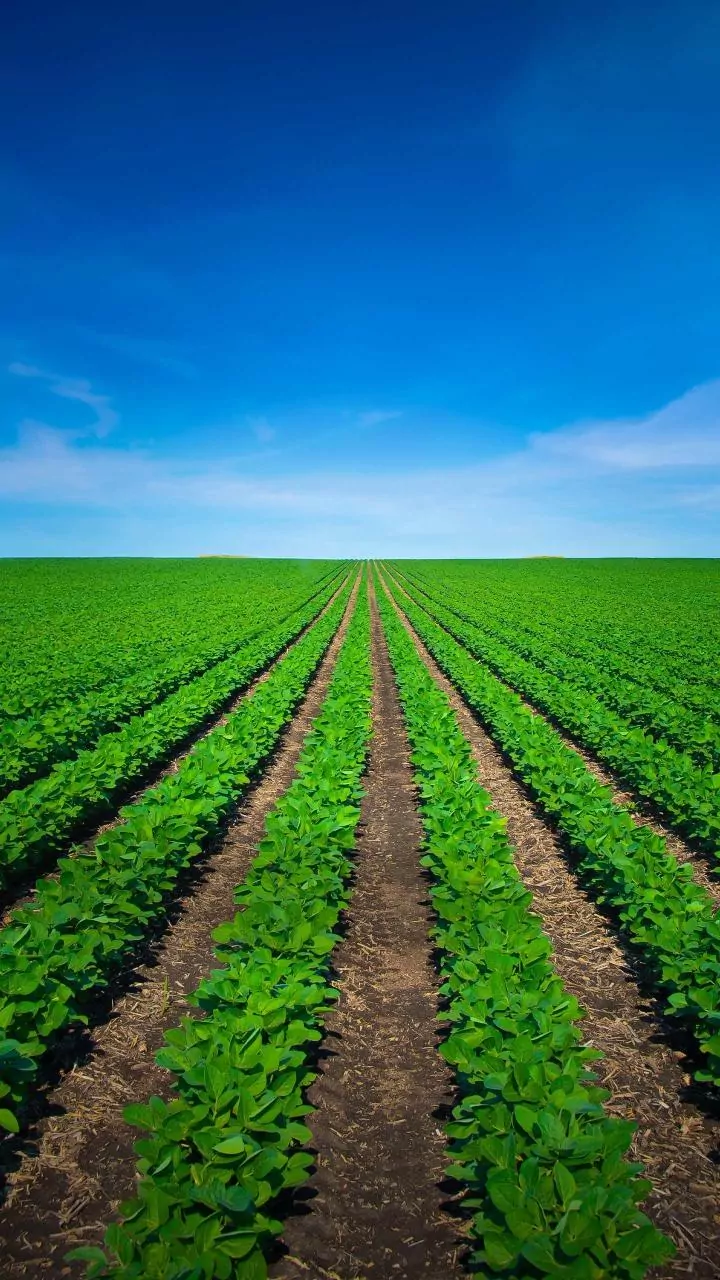
main factors: ambitious afforestation programs and, more significantly, the 'CO2 fertilization' effect, where higher carbon dioxide levels in the atmosphere stimulate plant growth. This greening is most pronounced in the Indo-Gangetic Plain, Northeast India, and the Western Ghats. However, a closer look reveals that much of this new vegetation isn't pristine, biodiverse forest. Instead, it’s dominated by agricultural expansion and fast-growing monoculture plantations. This distinction is critical, as not all green cover is created equal.
The Illusion of Healthy Forests
A troubling contradiction is emerging from recent research: while India's landmass appears greener, the health of its natural forests is declining. A study from IIT Kharagpur found that the photosynthetic efficiency of Indian forests—their actual ability to convert carbon into biomass—has dropped by 5% to 12% in the last two decades. This means that even as tree cover expands, the core function of these ecosystems is weakening. The decline is most severe in ecologically fragile areas like the Western Ghats and the Eastern Himalayas, which are buckling under moisture stress, rising aridity, and increased wildfires. Experts warn this creates a 'green mirage' where satellites detect more leaves, but the underlying forest is less resilient and less effective as a carbon sink.
The Hidden Costs of Growth
The rapid increase in vegetation, particularly from agriculture, comes with significant ecological costs. A key concern is water. While CO2 fertilization can help plants use water more efficiently, the sheer scale of agricultural greening in India is heavily dependent on intensive groundwater irrigation. This is already leading to dramatic drops in water tables in regions like Punjab and Haryana. Furthermore, the boom in commercial plantations of species like eucalyptus and teak, while contributing to tree cover statistics, does not support the rich biodiversity of natural forests. These monocultures provide fewer habitats for wildlife and don't offer the same benefits for soil health or water cycle regulation as native, diverse woodlands. In fact, while overall green cover rises, India continues to lose thousands of square kilometers of its most valuable dense, natural forests.
The Quality vs. Quantity Dilemma
The tension at the heart of India's greening trend is a classic case of quality versus quantity. Government initiatives like the Green India Mission have successfully increased tree cover, but the ecological value of these new trees is debatable. Planting fast-growing species can demonstrate quick results and help meet carbon sink targets, but it often comes at the expense of biodiversity and long-term ecosystem stability. Some researchers argue that focusing solely on the total area of tree cover masks the ongoing loss of irreplaceable native ecosystems. They point out that only about 16% of India's forests maintain high ecological integrity, compared to a global average of around 40%. This highlights a need for policies that prioritize restoring natural, biodiverse forests over simply hitting numerical planting targets.