

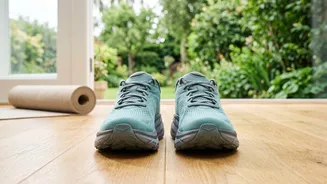


Understanding Low-Impact Fitness
A low-impact workout is any form of exercise that minimizes stress on your joints. Unlike high-impact activities like running or jumping, these routines ensure at least one foot remains on the ground, reducing the jarring force on your knees, hips, and
back. But don't mistake 'low-impact' for 'low-intensity' or 'low-results'. These workouts can be incredibly effective, helping to burn calories, improve cardiovascular health, and build muscle. They are ideal for beginners, individuals with joint issues, or anyone looking for a sustainable way to stay active without risking injury.
Why You Need Both Cardio and Strength
A truly effective fitness plan incorporates both cardiovascular exercise and strength training. Cardio, like brisk walking or cycling, improves heart and lung health, while strength training builds lean muscle mass, which in turn boosts your metabolism. Combining them offers comprehensive benefits: you burn calories during cardio sessions while building metabolically active muscle through resistance work. This powerful synergy leads to better weight management, improved blood pressure, reduced risk of chronic diseases, and enhanced mental well-being. Furthermore, having stronger muscles provides stability, reducing the risk of injury during any physical activity.
Gentle Cardio Exercises to Start
Getting your heart rate up without pounding your joints is easier than you think. Walking is one of the most accessible low-impact cardio exercises; you can increase the intensity by walking faster or finding inclines. Swimming is another excellent choice, offering a full-body workout with zero impact on your joints. Other fantastic options include cycling (on a stationary or outdoor bike), using an elliptical machine which mimics a gliding motion, or a rowing machine that engages both the upper and lower body. Even dancing to your favorite music at home can be a fun and effective low-impact cardio session.
Beginner-Friendly Strength Moves
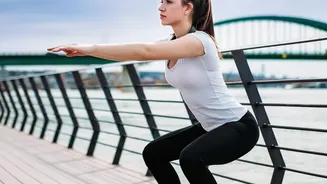
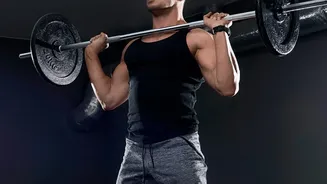
Strength training doesn't have to involve heavy weights. You can start with just your body weight to build a solid foundation. Bodyweight squats are fundamental for leg strength, while planks are excellent for building core stability. Glute bridges target your hamstrings and glutes, and incline push-ups (using a wall or sturdy table) are a great way to ease into building upper-body strength. As you get stronger, you can incorporate light dumbbells for exercises like bicep curls and chest presses, or use resistance bands for moves like rows and lateral raises to add a new challenge without high impact.
Building Your Weekly Routine
Consistency is more important than intensity when you're starting out. A balanced beginner's plan might include exercising three to five days a week. Aim for a mix of cardio and strength training. For example, you could dedicate two days to cardio (like 30 minutes of brisk walking or cycling) and two days to full-body strength training. Alternatively, you could combine them into single sessions, starting with a 15-minute strength circuit followed by 20 minutes on the elliptical. Always include a warm-up before each session and a cool-down with stretching afterward to aid recovery and flexibility. Remember to include rest days to allow your muscles to recover and grow stronger.