




Understanding the Itch
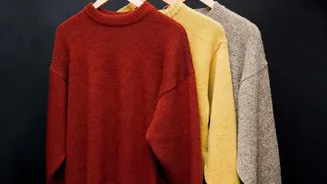
That prickly sensation from wool isn't usually an allergy. It’s a mechanical irritation caused by the coarse, thick fibres of some wools pressing against your skin. The ends of these fibres are stiffer than those of finer fabrics like cotton, so instead
of bending, they poke your skin and trigger nerve endings that signal 'itch'. This can be worse in winter when dry indoor air and hot showers leave skin more sensitive and less able to shrug off the irritation. The culprits are often less expensive wools that contain thicker fibres, or chemical residues from industrial processing that make the material rougher.
The Simple Magic of a Base Layer
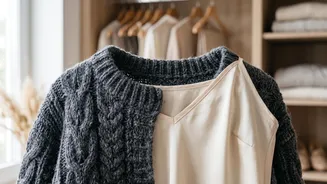
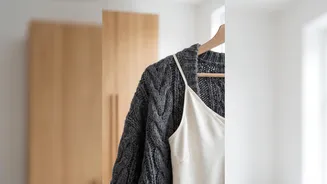
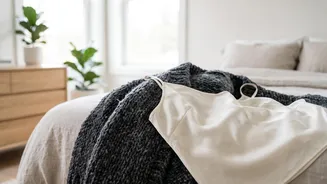
The most effective and immediate solution is to create a barrier between the wool and your skin. Wearing a thin, soft layer underneath your sweater, shawl, or jacket prevents the wool fibres from making direct contact. This strategy, known as layering, is the cornerstone of comfortable dressing in colder weather. It not only eliminates the itch but also helps regulate your body temperature more effectively. The base layer wicks away moisture, the wool mid-layer provides insulation, and you can easily add or remove garments to adapt to changing temperatures.
Choosing the Perfect Inner Fabric
The material of your inner layer is key. You need something smooth, breathable, and gentle on the skin. Cotton is a reliable and affordable choice; a thin, long-sleeved cotton tee provides an excellent buffer without adding too much bulk. For a more luxurious feel, silk is exceptionally smooth and a great temperature regulator. Modern fabrics like modal and bamboo viscose are also fantastic options, known for their softness and moisture-wicking properties. And surprisingly, a high-quality, fine-gauge Merino wool base layer can also be incredibly soft and work well, as its fibres are too fine to cause irritation.
Extend the Life of Your Woollens
Beyond comfort, there's a significant care benefit to layering. Wool is a naturally amazing material; its fibres are breathable, odour-resistant, and have natural antibacterial properties. This means woollen garments do not need to be washed after every wear. In fact, frequent washing can strip the wool of its natural lanolin oils, making the fibres harsher and more prone to damage. By wearing a base layer, you protect your sweater from sweat and skin oils, meaning you can simply air it out between wears. This drastically reduces the washing frequency, which in turn preserves the fabric's structure, prevents shrinking, and helps your beloved woollens last for many years.
Smarter Shopping and Softening Tricks
You can also minimise itchiness by being selective when you shop. Before buying, always feel the garment. If it feels prickly to your hand, it will certainly feel itchy against your neck. Opt for wools known for their softness, such as Merino, Cashmere, and Alpaca, which have much finer fibres. Lambswool, from a sheep's first shearing, is also naturally softer. For woollens you already own, a few home remedies can help. Soaking the garment in cool water with a bit of hair conditioner or white vinegar can help soften the fibres. Be sure to rinse thoroughly and always lay the garment flat to dry to maintain its shape.