

The Creamy Foundation of Roasted Cashews
The secret to the incredibly smooth and luscious texture of these artisanal butters begins with the humble cashew. Unlike bolder nuts like peanuts or walnuts, cashews possess a naturally high fat content and a lower fiber-to-fat ratio, which allows them
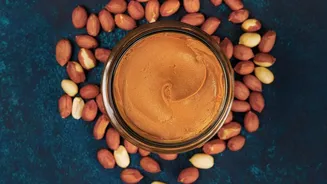
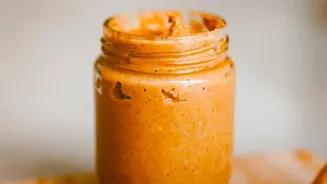
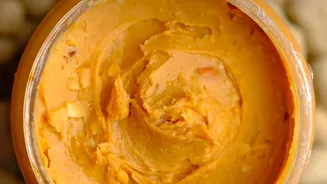
to break down into an exceptionally creamy paste when ground. Roasting the cashews before grinding is a crucial step. This process not only deepens their flavour, bringing out a subtle, buttery sweetness, but also helps to release their natural oils. As the cashews are processed, the heat from the grinding action further encourages oil release, transforming the solid nuts into a flowing, liquid gold without the need for added oils in many cases. This creates a perfect, velvety-smooth canvas ready to absorb other flavours.
A Symphony of Seeds for Texture and Nutrition
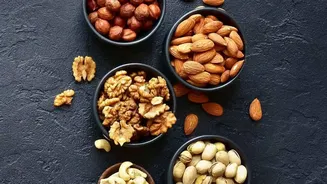
While cashews provide the smooth base, seeds are introduced to add complexity, nutritional value, and subtle textural notes. Artisan makers often blend in a variety of seeds like chia, flax, pumpkin, and sunflower. Each brings something unique to the party. For instance, tiny chia and ground flax seeds can absorb moisture and create a thicker, more jam-like consistency while boosting the butter with omega-3 fatty acids and fiber. Meanwhile, pumpkin and sunflower seeds, which can also be ground smooth, contribute their own earthy flavours and a powerhouse of minerals like magnesium and vitamin E. The inclusion of seeds turns a simple nut butter into a multi-dimensional spread that is not only more interesting to eat but also significantly more nutrient-dense.
The Artful Touch of Pure Spices
The element that truly elevates these butters from a simple spread to a gourmet ingredient is the judicious use of spices. This is where the artistry really shines. Rather than a single, overpowering flavour, makers create complex blends that complement the nut and seed base. Warming spices like cinnamon, cardamom, ginger, and nutmeg are common, lending a cosy, chai-like aroma and flavour. Some blends might take a savoury turn with additions like turmeric and a pinch of black pepper, or even a dash of cayenne for a gentle kick of heat. The goal is balance—to create a flavour profile that unfolds on the palate, enhancing the natural sweetness of the cashews without masking it. The spices are integrated during the grinding process, ensuring they are evenly distributed for a consistent taste in every spoonful.
What 'Artisanal' Really Means
The term "artisanal" is more than just a marketing buzzword in this context; it refers to a specific production philosophy. Unlike mass-produced butters that may use hydrogenated oils to prevent separation and add preservatives for shelf life, artisanal products prioritize craftsmanship and quality ingredients. Production is typically done in small batches, which allows for greater quality control and attention to detail. Artisans are deeply involved in the process, from sourcing high-quality nuts to perfecting the roasting time and temperature. This hands-on approach ensures that the final product has the optimal texture and flavour, reflecting a genuine passion for the craft. The result is a purer product that celebrates the integrity of its ingredients.
More Than Just a Toast Topping
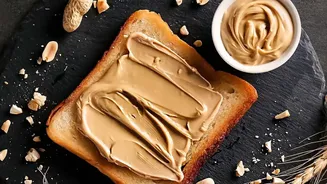
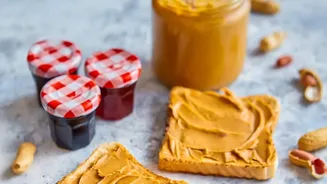
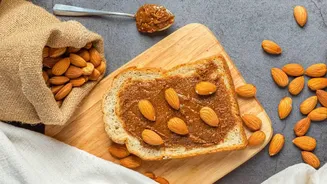
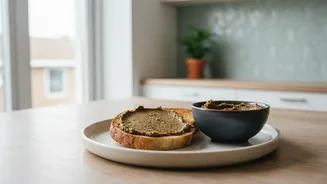
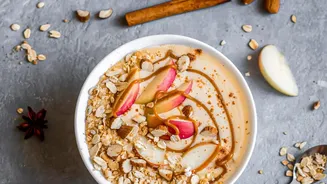
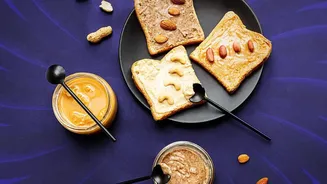
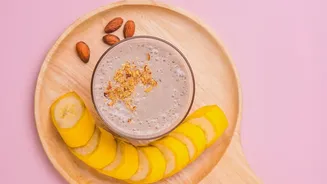
While exceptional on a slice of sourdough, the uses for spiced nut-and-seed butters extend far beyond breakfast. Their creamy consistency and complex flavours make them incredibly versatile in the kitchen. You can whisk a spoonful into a smoothie for added protein and richness, or create a quick and flavourful dressing for salads by thinning it with lemon juice and a touch of water. It can be used as a base for savoury sauces for noodles or grilled vegetables, offering a creative alternative to satay sauce. You can also dollop it onto oatmeal, yoghurt, or a bowl of fresh fruit for an instant upgrade.