



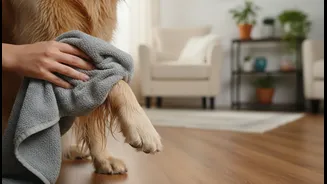


The Hidden Dangers of Damp Paws
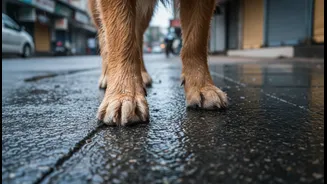
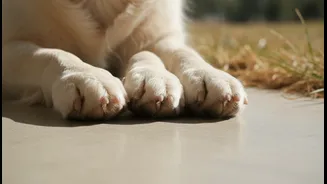
That lingering dampness between your dog's paw pads is more than just water. It creates a warm, moist environment that is an ideal incubator for bacteria and fungi. One of the most common issues is an overgrowth of yeast, a fungus that naturally lives
on a dog's skin. When conditions are right, this yeast can multiply uncontrollably, leading to a condition called pododermatitis, which is essentially an inflammation of the skin on the paws. The symptoms are hard to miss: persistent licking and chewing, redness, a musty or “corn chip” like odour, and sometimes swelling or discharge. This constant irritation is uncomfortable and can even be painful, turning short walks into an ordeal for your pet. If left untreated, these minor irritations can escalate into chronic skin issues and secondary bacterial infections.
Why Your Balcony Is the Perfect Drying Zone
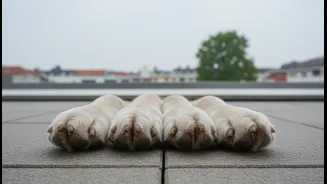
For city dwellers and those in apartments, the balcony is an unsung hero of pet care. After a wet walk, ushering your dog onto the balcony before they tour the house contains the mess of water and mud. More importantly, it provides a contained space for a proper drying routine. The open air helps to accelerate drying, and it keeps the 'wet dog' smell out of your living room. It also serves as a transitional space, allowing your dog to calm down after the excitement of a walk while you tend to their paws. This transforms a chore into a calm, consistent ritual that both you and your dog can get used to, especially during the long monsoon months.
How to Create the Ultimate Paw-Drying Ritual
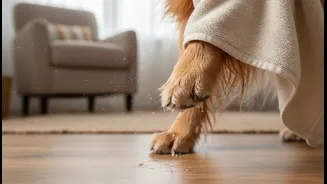
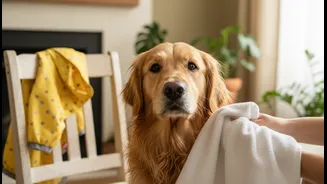
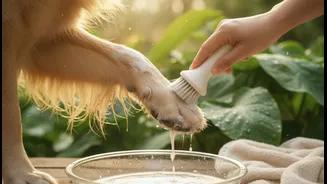
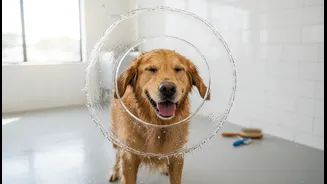
A good drying ritual is quick, effective, and gentle. First, have your tools ready by the door: a highly absorbent mat and a clean, dry towel, preferably microfiber. Start by having your dog stand on the mat to soak up the initial water. Then, take one paw at a time and gently but firmly press the towel between each pad and around each nail. Avoid rubbing, which can cause irritation. The goal is to blot away the moisture, not scrub the skin. While you're there, do a quick inspection. Look for any cuts, debris, or signs of redness. For long-haired breeds, it's crucial to ensure the fur between the toes is completely dry, as this is a prime spot for moisture to get trapped. Trimming this hair can significantly reduce the risk of infections.
Spotting the Early Signs of Trouble
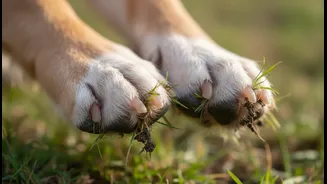
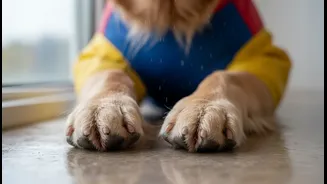
Consistent paw care allows you to notice problems before they become serious. If you see your dog obsessively licking or chewing their paws, it's a major red flag. Other signs that warrant attention include redness and inflammation between the toes, thickened or scaly skin, a persistent musty odour, or sensitivity when you touch their paws. Sometimes, you might notice a brownish discoloration on the fur around the pads, which is often a tell-tale sign of a chronic yeast infection caused by saliva staining. If you notice any of these symptoms, especially if they are accompanied by limping or a reluctance to walk, it's time to consult your veterinarian. Early intervention is key to preventing long-term discomfort.
Beyond the Balcony: Year-Round Paw Protection
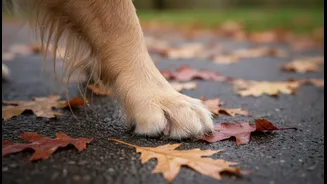
While drying paws is critical during wet weather, good paw hygiene is a year-round commitment. Keep the hair between the paw pads trimmed short to improve airflow and prevent moisture from getting trapped. This also makes it harder for mud and debris to accumulate. After walks, even on dry days, it's a good habit to wipe your dog's paws to remove allergens, chemicals from pavements, or other irritants they may have stepped on. For extra protection against rough surfaces or extreme temperatures, you can apply a dog-safe paw balm or wax. These products create a protective barrier and help keep the paw pads moisturised, preventing cracks that can become entry points for infection.