




Action as a Form of Storytelling
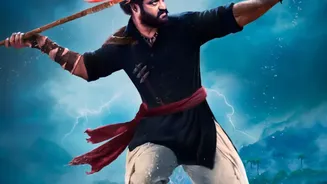
In the world of pan-Indian blockbusters, an action sequence is rarely just a fight. It’s a crucial piece of storytelling. Directors like S.S. Rajamouli have mastered the art of embedding major plot points within these spectacular set pieces. In 'RRR',
for instance, the two lead characters are introduced through epic action sequences that define their strength and purpose. Their first meeting isn't a quiet conversation but a daring, explosive rescue mission. This approach ensures that the action carries dramatic weight; the plot is advanced by the spectacle, not paused for it. Stunt choreographers work with directors to design violence like a dance, with its own rhythm and narrative arc. Each punch and explosion serves to reveal character, escalate stakes, or create a powerful emotional release, making the action indispensable to the story itself.
A Modern Connection to Ancient Myths
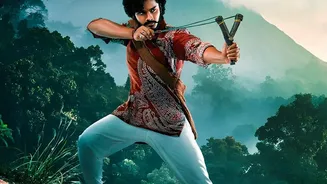
The larger-than-life heroes in these films tap into a deep cultural reservoir: Indian mythology. When a protagonist displays seemingly superhuman strength, he's not just a muscle-bound hero; he's channeling the archetypes of epic figures from the Ramayana and Mahabharata. These films portray their heroes as modern-day avatars, fighting injustice with godlike power. This transformation of hero into a mythic figure creates a powerful connection with the audience, who see echoes of ancient tales of dharma and righteousness played out on screen. Directors frequently use mythological themes as storytelling elements to create a strong emotional impact. The aah-inspiring violence is often designed to feel righteous and justified, mirroring the divine interventions found in ancient stories.
Emotion is the Foundation of Spectacle
According to filmmaker S.S. Rajamouli, emotion is the seed from which visual spectacle grows. He believes that the more basic and powerful the human emotions, the more people will connect with a film. This philosophy is the driving force behind the most memorable action sagas. The stunts are not just technically impressive; they are rooted in a powerful emotional core. Whether it's a hero fighting to protect his family, avenge injustice, or save his community, the action is fueled by a motivation that audiences can connect with on a primal level. This emotional grounding makes the most unbelievable feats feel earned and cathartic. The invincibility of the hero feels justified because it is powered by a relatable and righteous rage or love, an approach that has proven to resonate with audiences across the country.
The Rise of a Pan-Indian Cinematic Language
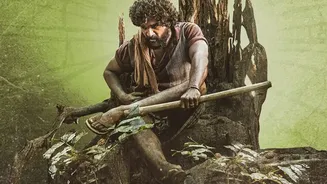
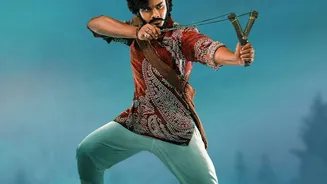
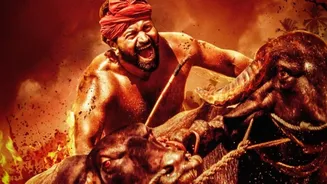
The term "pan-Indian" refers to films designed to transcend regional and linguistic barriers, appealing to audiences nationwide. This trend, pioneered by the 'Baahubali' series, relies on a universal language that everyone can understand: spectacular action. By focusing on basic human emotions and visually stunning choreography, these films create a shared experience that unites diverse audiences. The success of films like 'KGF', 'Pushpa', and 'RRR' outside of their home regions demonstrates how action can serve as a great unifier. The marketing and casting are also key, often involving stars from different regions to broaden a film's appeal from day one. Ultimately, a story with a strong emotional core and jaw-dropping visuals doesn't need dialogue to connect with viewers, making it the perfect vehicle for a truly national cinema.
A Leap in Technical Excellence
The breathtaking scale of modern Indian action wouldn't be possible without significant advancements in technology and craft. The industry has seen an evolution from the practical, live stunts of the past to a hybrid model that blends real stunt work with cutting-edge visual effects (VFX). This allows filmmakers to create grander, more imaginative sequences than ever before, from monstrous battlefields in 'Baahubali' to the stylized gun-fu of 'KGF'. Furthermore, there is an increasing collaboration with international stunt teams and choreographers, bringing specialized skills like parkour and complex vehicle stunts into the fold. This, combined with more rigorous training for actors and the meticulous pre-visualisation of action beats, has elevated the quality and safety of stunt work, allowing Indian cinema to produce spectacles that rival those anywhere in the world.