









From Family Homes to Festive Hotspots
Traditionally, festivals like Navratri, Durga Puja, and Diwali were centred around family rituals and community gatherings within one's immediate neighbourhood. While those traditions remain strong, the social epicentre for young adults is increasingly
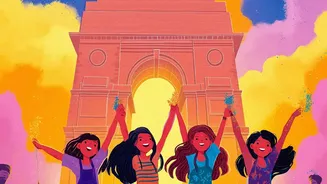
shifting. The festive calendar is now packed with large-scale, often ticketed, public events. Professionally organised Garba and Dandiya nights, featuring famous artists, now draw massive crowds in cities like Mumbai, Ahmedabad, and Delhi. These are no longer just community events; they are major cultural productions, complete with VIP zones, curated food stalls, and high-energy performances that last for hours.
The New Social Calendar
The evolution from private get-togethers to public spectacles means the festive season has become a prime time for socialising outside of established circles. For many young people living and working in cities away from their families, these events offer a vibrant alternative to celebrating alone. Event organisers and ticketing platforms like BookMyShow heavily promote a wide range of options, from sprawling open-air Dandiya festivals to more intimate, themed Diwali card parties. This creates a low-pressure environment where the primary goal is to participate in a shared cultural experience, making it easier and more natural to strike up conversations and form new connections.
Tech as the Ultimate Wingman
Technology plays a crucial role in this new era of festive socialising. Social media platforms like Instagram are where events are discovered and outfits are debuted. WhatsApp groups become the coordination hubs for friends. Dating apps have also leaned into this trend, recognising that the festive period is what some call India's 'cuffing season'. Apps like Bumble and Tinder report significant spikes in usage and matches during festival months like October and November. A 2023 Bumble survey revealed that 63% of Indians surveyed were open to 'festival dating'. Many users update their profiles to reflect their festive plans, and some apps even introduce features that allow friends and family to play matchmaker, blending traditional social networks with modern dating.
More Than Just a Romantic Quest
While the prospect of romance is certainly in the air, the desire to meet new people isn't solely driven by the search for a life partner. For many, these social gatherings are a remedy for the loneliness that can feel amplified during a season focused on togetherness. A Tinder survey noted that 43% of Gen Z in India see festivals as an ideal setting for a low-pressure first date. The shared activity—be it dancing, enjoying food, or playing cards—provides a natural icebreaker. The goal is often simply to expand one's social circle, make new friends, or enjoy a 'phooljhari match'—a connection that is bright and meaningful, even if brief.
A Reflection of Modern Aspirations
This shift in festive socialising mirrors broader trends among young Indians, particularly Gen Z and millennials. There is a growing appetite for experience-led activities, with many now planning travel around festivals and music events. Young people are finding new ways to make traditional celebrations their own, blending familiar rituals with contemporary social desires. The home is still a hub for family puja, but it's also a backdrop for a friends' house party. This fusion of the traditional and the modern, the personal and the public, shows a generation that values community and connection, and is actively creating new spaces to find it.









