


The Quest for Guilt-Free Indulgence
For generations, deep-frying has been central to Indian snack culture, from monsoon pakoras to festive mathris. Yet, a growing wave of health consciousness has home cooks rethinking tradition. The primary driver is a desire to reduce oil consumption without
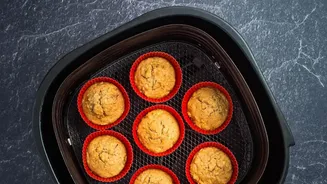
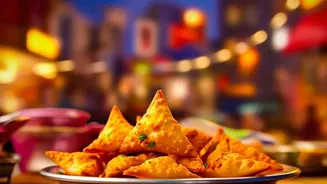
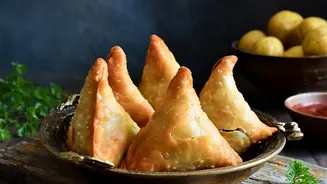
giving up cherished comfort foods. Air fryers, which cook by circulating superheated air, have emerged as the perfect compromise. These appliances can slash fat and calorie content by up to 80% by using just a teaspoon of oil instead of cups, making snacks like samosas and tikkis significantly lighter. This shift isn't just about managing weight; it's linked to better heart health and lower cholesterol, a compelling reason for families to make the switch.
Convenience for the Modern Kitchen
Beyond health, the air fryer’s popularity is a story of convenience. Traditional deep-frying involves heating large amounts of oil, careful monitoring to prevent burning, and a messy cleanup of greasy pans and splattered stovetops. In contrast, air frying is a much cleaner and faster process. For busy professionals and parents, it simplifies evening snack time, turning what was once a laborious treat into a quick and easy affair. There's no large pot of oil to handle afterwards, and most air fryer baskets are easy to wash. This ease of use fits perfectly into modern Indian lifestyles where time is a precious resource.
Reviving Regional Favourites Beyond Pakoras
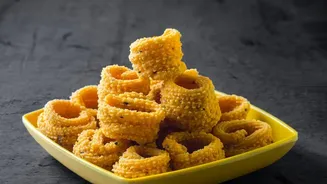
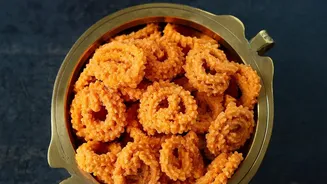
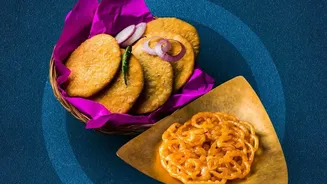
While samosas and aloo tikkis are the most common gateway snacks, home cooks are creatively adapting a wide array of regional specialties for the air fryer. Dry snacks like mathri, namak pare, and chakli (murukku) turn wonderfully crisp with just a light brushing of oil. In the South, people are making everything from crispy medu vadas to banana chips (pazham pori) and paniyaram. Other favourites getting the air-fry treatment include Gujarati muthiya, Maharashtrian kothimbir vadi, and even crispy bhindi (kurkuri bhindi). The appliance is also perfect for giving a tandoor-like char to paneer tikka and kebabs, expanding its use far beyond just 'frying'. It proves that this trend is not just about recreating the usual suspects but about preserving the diversity of Indian snacking in a healthier format.
Getting the Taste and Texture Right
The critical question remains: does it taste as good? The consensus is that while air-fried snacks are delicious, the texture is different. The crispness is often described as drier and firmer compared to the rich, bubbly texture from deep-frying. For snacks with wet batters like pakoras, the batter needs to be made thicker to prevent it from dripping through the basket, resulting in a texture closer to a baked fritter. However, many cooks have found clever ways to get closer to the original. Brushing snacks with a little oil or ghee before cooking enhances browning and flavour. Ultimately, many find the trade-off worth it. They prefer the lighter, cleaner bite where the flavour of the spices comes through more clearly.