




Meet the Planet of the Hour
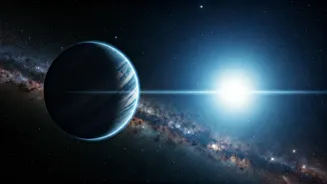
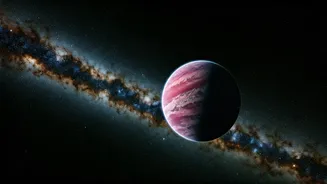
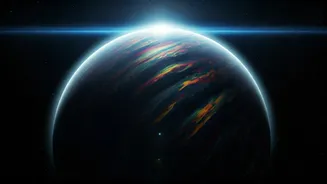
Imagine a planet as big as Jupiter but with only a fraction of its mass—so light and airy it's been nicknamed the “cotton candy” or “toasted marshmallow” planet. That’s WASP-107b. Located about 200 light-years away in the constellation Virgo, this gas
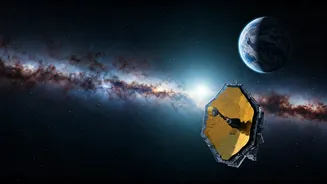
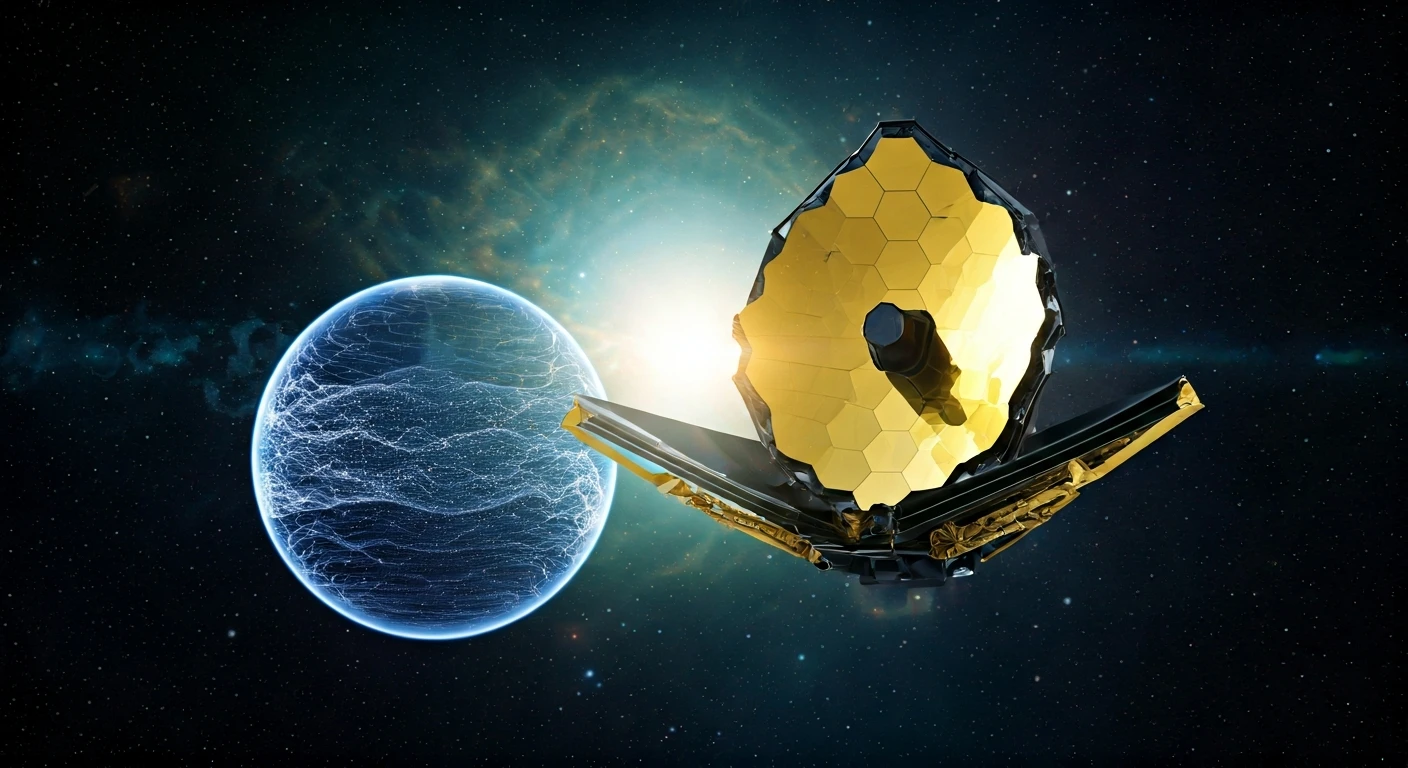
giant is one of the least dense planets ever discovered. Its enormous, puffy atmosphere makes it an ideal, if unusual, subject for astronomers to study. Unlike the dense, compact worlds we’re used to, WASP-107b’s atmosphere is so spread out that it allows scientists to peer deep inside, giving them a rare opportunity to analyse its composition in unprecedented detail. This very “fluffiness” is what enabled the James Webb Space Telescope (JWST) to make its latest groundbreaking discoveries.
Today's Forecast: Cloudy with a Chance of Sand
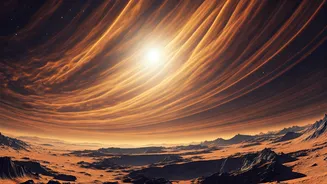
So, what did the James Webb telescope find? The weather on WASP-107b is, to put it mildly, extreme. The planet’s atmosphere contains water vapour and, surprisingly, sulphur dioxide, which gives it the charming smell of burnt matches. But the real headline is the clouds. Instead of being made of water like on Earth, the clouds on WASP-107b are composed of silicate—essentially, fine grains of sand. This is the first time scientists have been able to definitively identify the chemical makeup of clouds on an exoplanet. These sand clouds hang high in the atmosphere, creating a hazy, dusty shroud around the giant planet. It's a weather system that defies earthly comparison and opens a new chapter in cosmic meteorology.
A Weather Cycle Like No Other
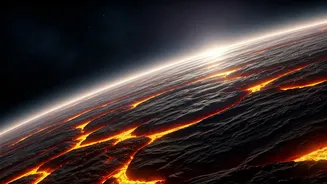
Even more fascinating is that WASP-107b appears to have a complete weather cycle, much like Earth’s water cycle, but with sand. Here’s how it likely works: deep within the planet’s scorching hot interior, silicate minerals vaporise. This silicate vapour then rises to the cooler, upper layers of the atmosphere where it condenses back into microscopic sand particles, forming clouds. Eventually, these sand particles clump together and become heavy enough to rain back down into the planet's fiery depths, where they evaporate again, starting the cycle anew. This perpetual, dynamic loop of sand rain and vaporisation is what keeps the sandy clouds a permanent feature of WASP-107b's sky.
Why This Cosmic Weather Report Matters
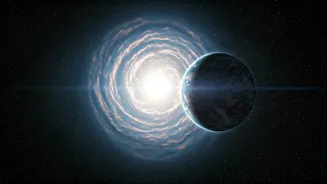
Studying the weather on a planet hundreds of light-years away isn't just a celestial curiosity; it’s a pivotal moment for astronomy. These findings from the JWST reshape our understanding of how planets form and evolve. For instance, the low amount of methane and the unexpectedly hot interior of WASP-107b suggest that the planet is being heated from within, likely by the gravitational pull of its star stretching and squeezing it in its slightly elliptical orbit. This tidal heating helps explain why the planet is so uniquely puffy. By analysing the chemical soup of its atmosphere, scientists can piece together the history of the planet and test their theories about planetary formation. Each element detected, from sulphur dioxide to silicate clouds, is a clue to building a more complete picture of the thousands of worlds that exist beyond our solar system.