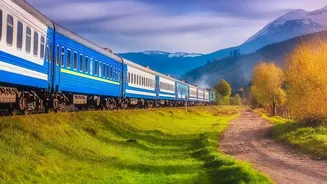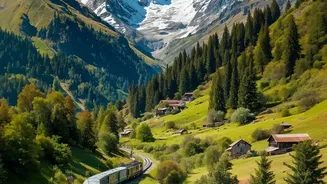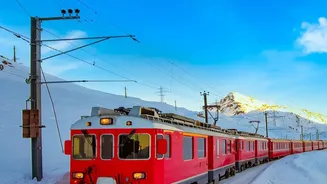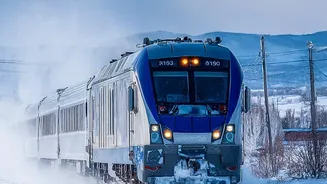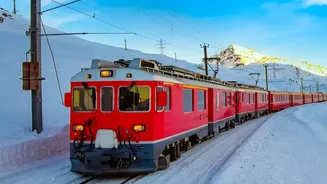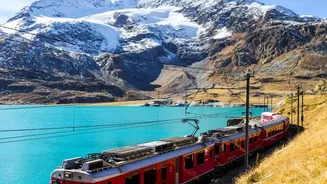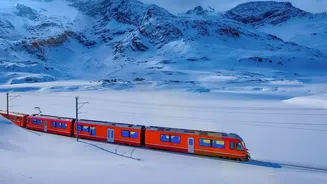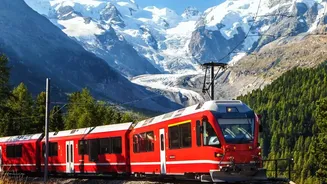



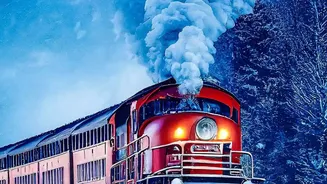
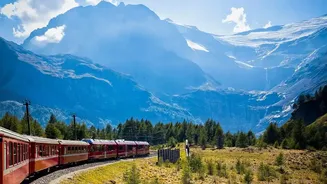
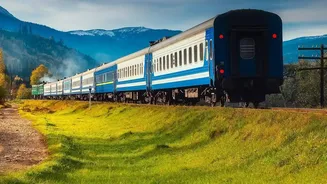
The dream of watching a snow-covered landscape glide past from a cosy train window is a quintessential winter fantasy in India. But before you book that magical trip, a crucial step is in order: verifying your train's schedule.
The Allure of India's Winter Rails
There is an undeniable romance
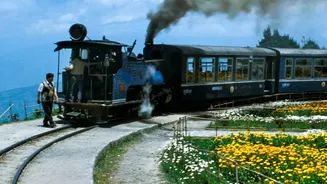
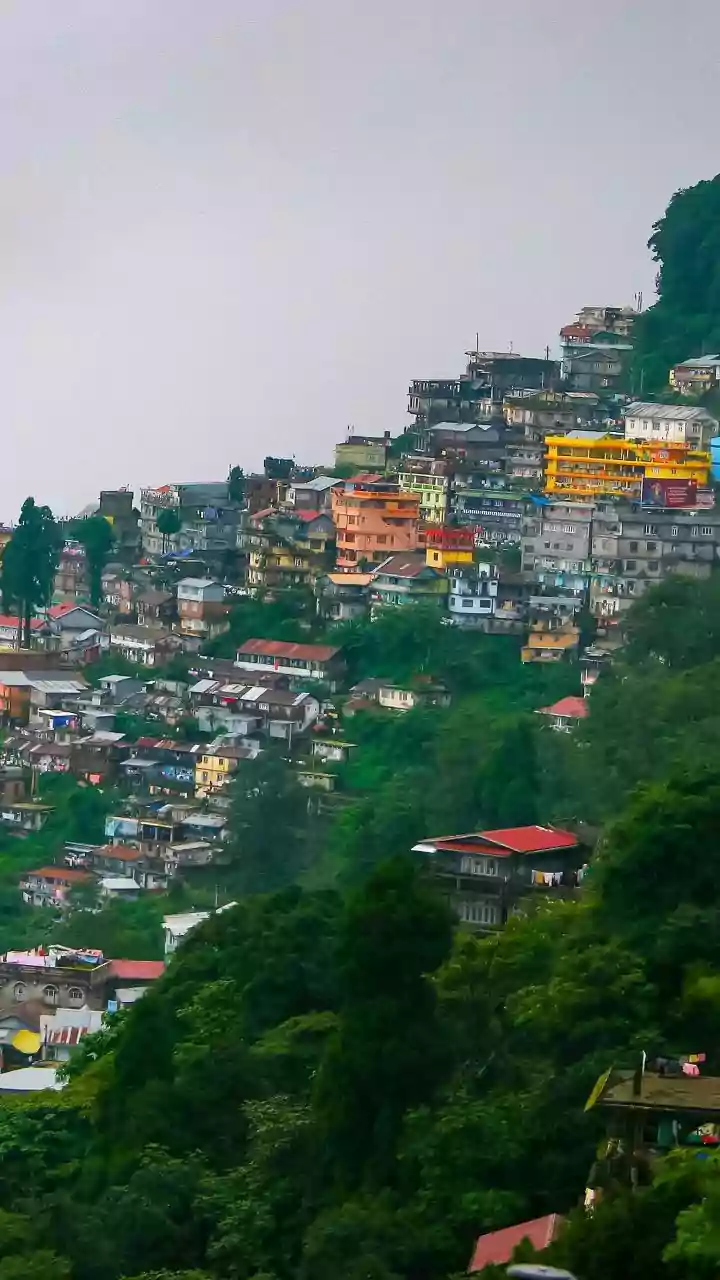
to India’s mountain railways, especially in winter. Journeys on UNESCO World Heritage routes like the Kalka-Shimla Railway and the Darjeeling Himalayan Railway transform into something out of a storybook. As these 'toy trains' chug along narrow-gauge tracks, they pass through pine forests draped in snow, navigate dramatic loops with breathtaking views of peaks like Kanchenjunga, and stop at quaint, colonial-era stations. In Kashmir, the train journey through the valley from Banihal to Baramulla offers postcard-perfect scenes of snow-laden trees, frozen rivers, and a landscape turned into a white wonderland. These experiences are a major draw for tourists seeking the serene beauty of the Himalayas in winter.
Why Winter Timetables Are Unpredictable
The very conditions that make these journeys magical are also what make them unreliable. Winter weather in the Himalayas can be harsh and unpredictable. Heavy snowfall, while beautiful, can block railway lines, and the dense fog that blankets Northern India can severely reduce visibility, forcing the railway network to cancel, delay, or reschedule services for safety reasons. Mountainous terrain is also susceptible to landslides, especially during periods of heavy precipitation, which can damage tracks and suspend services for days or even weeks. Indian Railways often announces a 'fog schedule' in advance, preemptively cancelling or reducing the frequency of many trains running through affected zones from December to February. These operational changes are a necessary safety measure but require travellers to be extra vigilant with their planning.
Key Routes Prone to Disruption
While many lines can be affected by fog, a few iconic mountain routes are particularly vulnerable to weather-related disruptions. The Kalka-Shimla Railway, a major tourist attraction in Himachal Pradesh, frequently sees suspensions due to landslides and heavy snow. Similarly, the Darjeeling Himalayan Railway in West Bengal can be affected by the region's dynamic weather. The train line in the Kashmir Valley, running between Banihal and Baramulla, is engineered for the cold but can still face delays due to extreme snowfall. Travellers planning to use these scenic routes should pay close attention to local conditions and railway announcements, especially from December through February.
How to Verify Your Train's Status
Relying on a printed ticket or old timetable is a recipe for disappointment. The best practice is to check your train's status on the day of your journey. The most reliable source is the National Train Enquiry System (NTES), Indian Railways' official platform for real-time train information. You can access NTES through its website or by downloading the official mobile app. Simply enter your five-digit train number to get the live running status, including its current location, any delays, and expected arrival times at upcoming stations. The official IRCTC website and app also provide live tracking services, often sourced directly from NTES. For those without internet access, the railway enquiry number, 139, is another reliable option for getting updates via call or SMS.
Smart Tips for a Smooth Winter Journey
Given the potential for last-minute changes, building flexibility into your travel plans is key. When booking your trip, consider adding a buffer day to your itinerary to accommodate potential delays without risking missed flights or connections. This is particularly important if you are taking a connecting train, as a delay on one leg can have a domino effect. Opt for flexible or refundable bookings for accommodation and onward travel where possible. Packing for the cold is a given, but also include extra snacks, water, and a power bank for your devices in case you are stranded for several hours. Finally, keep checking your train's status until you are at the station. A proactive approach is the best way to ensure your magical winter train journey remains a dream come true, not a travel nightmare.