



Why Mumbai Is So Vulnerable
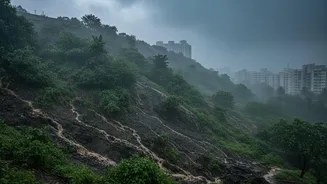
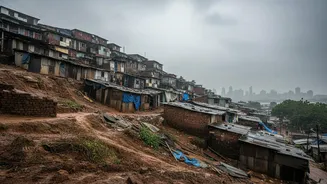
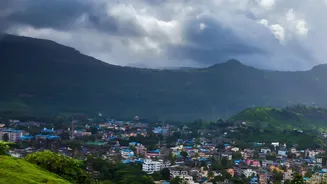
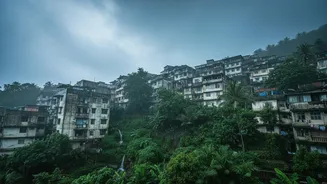
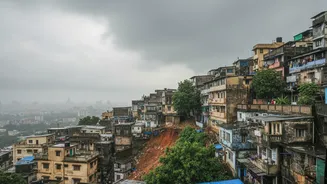
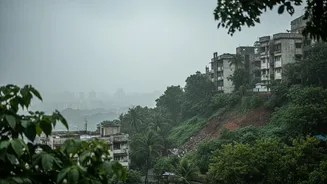
Mumbai's unique geography and intense development make it a hotspot for landslides. The combination of steep hillsides, heavy monsoon rainfall, and widespread construction creates a precarious situation. Factors like deforestation, unscientific cutting
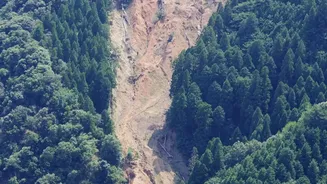
of slopes for buildings and roads, and blocked natural drainage systems saturate the soil, making it unstable. When exceptionally heavy rain falls on these already disturbed slopes, the result can be a sudden and devastating landslide, particularly in densely packed informal settlements. The Mumbai Climate Action Plan has identified increasing extreme rainfall as a key factor that will heighten the risk of such events.
Check Official High-Risk Zones
The first step is to know if you live in an officially recognised danger zone. The Brihanmumbai Municipal Corporation (BMC), with help from the Geological Survey of India (GSI), has identified hundreds of landslide-prone locations across the city. According to recent reports, there are over 249 such sites, with a significant number classified as 'highly vulnerable' or 'most dangerous'. Areas with the highest concentration of these spots include the Vikhroli-Bhandup belt, Ghatkopar, Kurla, Chembur, and areas surrounding the Sanjay Gandhi National Park. Every year before the monsoon, the BMC issues notices appealing to residents in these designated areas to move to safer, temporary shelters. Check local ward office announcements and official BMC communications to see if your neighbourhood is on this list.
Inspect the Land Around You
Even if you are not in an official zone, you must remain vigilant. Pay close attention to the ground and landscape surrounding your property, especially on and below slopes. Look for new or expanding cracks in the soil or on paved surfaces like roads and driveways. Notice if trees, fences, or utility poles are starting to tilt or lean downslope. Another major red flag is a change in water patterns, such as new springs or seeps appearing on a previously dry slope, or patches of ground that remain saturated even between rainstorms. A bulge or swelling appearing at the base of a slope is also a critical sign that the ground is under stress and could give way.
Look for Signs in Your Building
Your own home can offer crucial clues about ground instability. If the earth beneath your building is shifting, it will put stress on the structure itself. One of the most common signs is when doors and windows begin to stick or jam for the first time. Look carefully for new cracks appearing in plaster, tile, brickwork, or the building's foundation. You might also see outside walls, stairs, or walkways starting to pull away from the main structure. Broken or leaking utility lines, like water or sewer pipes, can also indicate that the ground has moved and caused a rupture.
Listen for Unusual Sounds
Sometimes the first warning of an imminent landslide is something you hear, not something you see. If you are near a slope, especially during or after heavy rain, stay alert for faint rumbling sounds that increase in volume. People have described this as sounding similar to a passing freight train. Other auditory clues include the sound of trees cracking, rocks knocking together, or the ground making a 'groaning' noise. These sounds can indicate that debris is already moving and a slide is in its early stages.
What to Do If You Suspect Risk
If you notice any of these warning signs or believe you are in immediate danger, your priority is safety. Leave the area immediately if it is safe to do so. Alert your neighbours to the potential danger and contact your local BMC ward office or the city's disaster management helpline to report your observations. Authorities often appeal for residents in the most vulnerable locations to evacuate to temporary shelters provided by the municipality before a major rainfall event. Prepare an emergency kit with essentials like water, first-aid supplies, a torch, and important documents. Being aware of your surroundings and taking official warnings seriously can be lifesaving.