








What Exactly Is a 'Flexible' Fare?
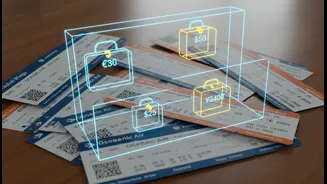
A flexible fare is a type of ticket that allows you to change your travel dates and times with low or no penalty fees. Offered by most airlines, including IndiGo and Air India, these are often called 'Flexi' or 'Flex' fares. While the initial price is higher
than a standard or basic economy ticket, you gain the freedom to alter your plans without forfeiting the cost of your flight. This is especially useful for travellers with unpredictable schedules. It's important to remember that while the airline's administrative 'change fee' might be waived, you will almost always have to pay the difference if your new flight is more expensive than the original one.
The Price of Peace of Mind
Flexible tickets come at a premium, sometimes costing significantly more than the most basic fare. Think of this extra cost not as an expense, but as an insurance policy. For a small upfront premium, you're protecting yourself from potentially much larger costs later on. If a last-minute work demand or a personal emergency forces you to reschedule, the cost of booking a new flight from scratch would likely far exceed the initial premium you paid for flexibility. The calculation is simple: the more uncertain your plans are, the more valuable that 'insurance' becomes.
The Rise of the Spontaneous Getaway
Across India, travel habits are changing. Instead of one big two-week vacation, many people now prefer taking multiple short breaks throughout the year. Reports show a strong preference for trips lasting less than a week, with weekend getaways dominating travel plans, especially among younger travellers. This trend is driven by flexible work schedules and a desire for regular mental health breaks. Spontaneity is key to this travel style, but it also introduces uncertainty. A plan made on a Tuesday for a Friday departure can easily change, making the rigid, non-refundable ticket a risky proposition.
When Does a Flex Fare Make Financial Sense?
A flexible fare is a smart choice in several scenarios. For business travellers, whose meeting schedules can shift unexpectedly, it’s an obvious win. It's also ideal for personal travel when plans aren't set in stone—perhaps you're visiting family but aren't sure of the exact return date, or you're planning a trip around a potential event like a job interview. If you are booking far in advance for a popular route where last-minute fares are known to skyrocket, locking in a flexible ticket can save you from exorbitant prices if you need to make a change. Essentially, if there's a reasonable chance your dates will move, the maths often favours the flexible option.
How to Compare Fares Like a Pro
When comparing flights, look beyond the headline price. Click through to see the different fare 'families' or 'brands' offered by the airline, such as Air India's 'Flex Fares' or IndiGo's 'Flexi Plus'. Read the terms carefully. Does 'free change' mean no fees at all, or just no administrative fee while still requiring you to pay the fare difference? What are the cancellation rules? Some flexible fares offer a credit voucher, while others might provide a refund. Also, check what else is included. Often, these higher-tier fares come with added perks like complimentary meals or extra baggage allowance, which might offset part of the cost if you would have paid for them anyway.
The Hidden Traps to Avoid
The biggest misunderstanding is that 'free changes' mean you can switch to any flight at no cost. You must always cover the fare difference between your original flight and the new, potentially more expensive one. If you change your flight close to the departure date, this difference can be substantial. Also, be aware of deadlines. Most airlines require changes to be made a certain number of hours before the original flight's departure. Finally, understand that the most restrictive 'Basic Economy' tickets on many airlines often cannot be changed at all, making them a poor choice for anyone with even a hint of uncertainty in their plans.