





A New Front in an Old War
Pests like horn flies, stable flies, and ticks are more than just a nuisance on the farm; they are a significant economic drain. These tiny tormentors cause immense stress to livestock, leading to reduced weight gain, lower milk production, and the spread
of diseases. The U.S. cattle industry alone is estimated to lose over a billion dollars annually to the effects of flies. Traditional control methods, such as chemical sprays and insecticide-laced ear tags, have long been the go-to solution. However, they come with drawbacks. Sprays can wash off in the rain or when animals cool off in water, their effectiveness can wane, and there is a growing concern about pests developing resistance to the chemicals used.
The 'Inside-Out' Revolution
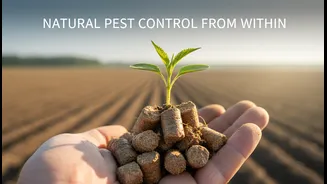
Enter the concept of 'feed-through' pest management, a strategy that is fundamentally changing the game. Instead of treating the animal externally, this approach uses the animal's own digestive system as a delivery mechanism for pest control. By introducing specific additives into cattle, horse, or swine feed, farmers can disrupt pests in a more efficient and continuous manner. This method comes in two main forms: natural repellents that make the animal less appealing to pests, and biocontrols that stop pest reproduction in its tracks. Both methods shift the battleground from the animal's coat to its feed trough, offering a proactive rather than reactive solution.
The Botanical Barrier: Garlic Power
One of the most promising natural methods is surprisingly simple: garlic. When cattle consume feed or mineral supplements enriched with garlic powder, their bodies absorb and then emit sulfurous compounds through their skin and breath. To flies, this odour is highly repellent, discouraging them from landing and biting. It doesn’t kill the flies, but it creates a powerful deterrent effect. Studies and farmer testimonials report significant reductions in fly populations, sometimes by more than 50%. This low-cost, natural approach is compatible with organic farming practices and, contrary to what one might expect, has not been found to alter the taste of the resulting meat or milk. It works from the inside out, providing a constant shield that can't be washed away.
The Lifecycle Disruptors
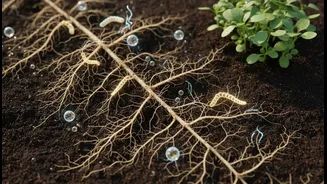
A more technologically advanced feed-through method involves using substances known as Insect Growth Regulators, or IGRs. These compounds, such as diflubenzuron, are added to feed in tiny, controlled amounts. They are harmless to the livestock, passing through the digestive system and into the manure. This is where their work begins. Many pest flies lay their eggs in fresh manure, where the larvae hatch and mature. The IGRs present in the manure of treated animals interfere with this process, specifically by preventing the fly larvae from developing a proper exoskeleton. Unable to complete their life cycle, the larvae die before they can mature into adult flies. This method effectively breaks the reproductive cycle, drastically reducing the emergence of new generations of pests.
Beyond the Buzz: The Real-World Benefits
The move toward feed-through pest control is part of a larger philosophy called Integrated Pest Management (IPM), which combines various strategies for sustainable and effective results. The benefits of this inside-out approach are numerous. It provides continuous, season-long coverage that traditional methods struggle to match. By reducing the need for topical insecticides, it minimises the farm's chemical footprint and lessens the risk of resistance. Ultimately, it leads to healthier, calmer, and more productive animals. For farmers in India, where the agricultural sector is increasingly focused on sustainable intensification and efficiency, these innovative feed strategies offer a powerful tool to enhance livestock health and improve the bottom line without heavy reliance on external chemicals.