








A Splash of Colour in the Grey
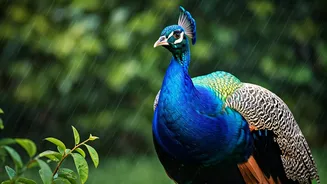
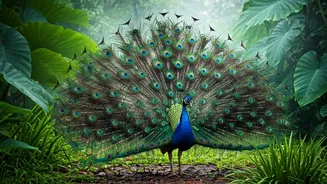
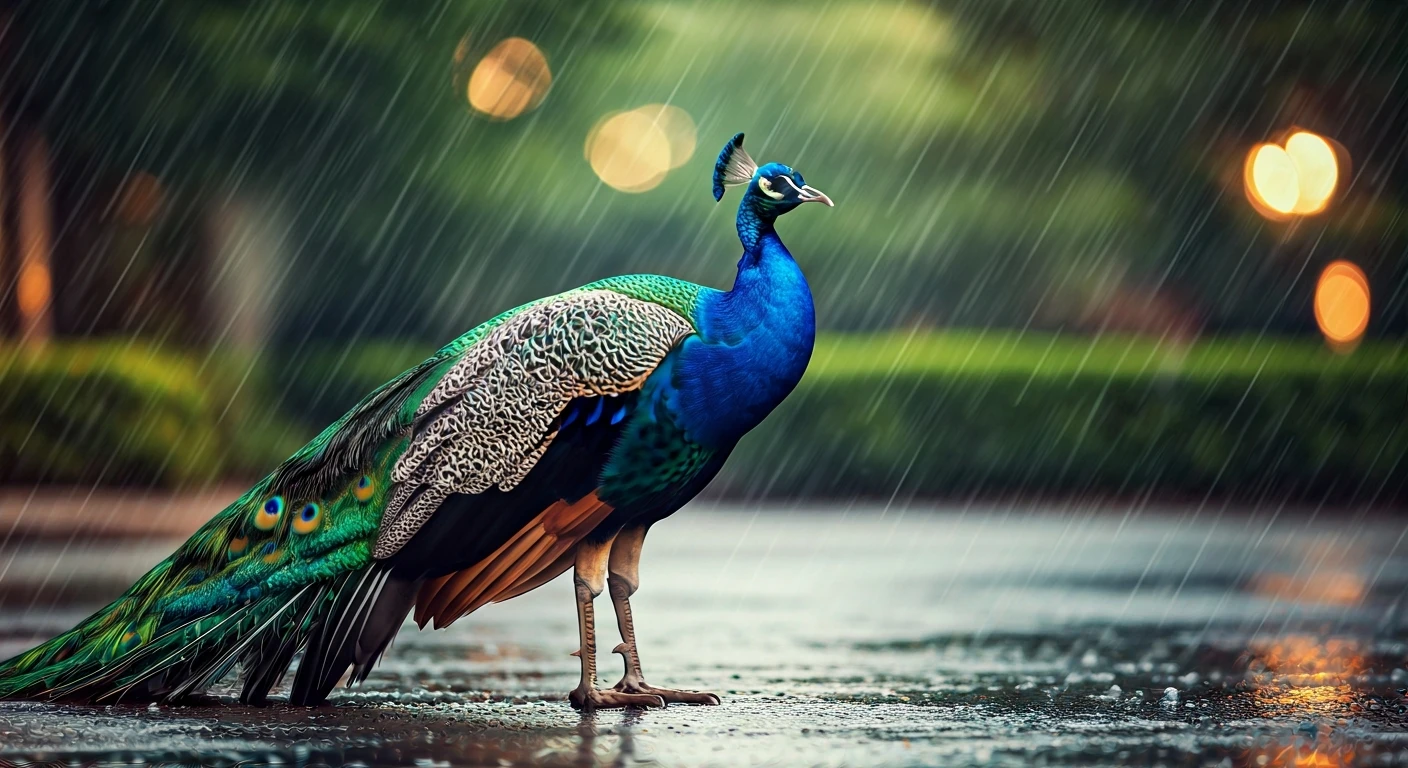
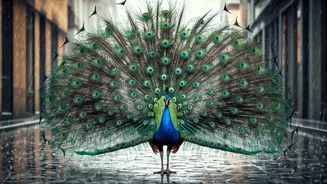
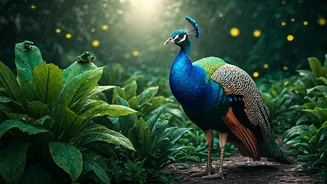
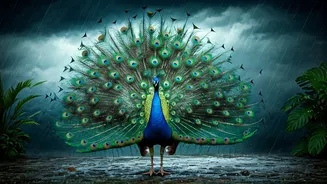
There are few sights as breathtaking as an Indian peafowl unfurling its magnificent train. Against the muted backdrop of a monsoon sky, the display is nothing short of spectacular. The male, the peacock, lifts his tail into a shimmering fan of gold, green,
and blue, adorned with dozens of hypnotic 'eyespots'. He quivers and shakes, making the feathers rustle like water, a private cabaret performed for an often-indifferent audience of peahens. This sudden explosion of colour and life is an iconic part of the Indian monsoon experience, a natural spectacle that turns a dreary day into one of wonder. It’s a scene that has been immortalised in poetry, art, and folklore for centuries, a welcome reminder of nature’s vibrancy when the sun is hidden behind heavy clouds. In cities and villages alike, this performance plays out, a vivid interruption to the endless rain.
The Science of the Rain Dance
The long-held belief is that peacocks dance to celebrate the arrival of rain. While poetic, the scientific reason is a little more practical, though no less fascinating. The monsoon season, which in most of India runs from roughly April to September, is also the peafowl's breeding season. The overcast skies, higher humidity, and the sound of thunder act as triggers for this elaborate courtship ritual. The timing is perfect from a survival standpoint. The rains bring an abundance of insects, worms, and fresh shoots, providing the ideal diet for newly hatched peachicks. So, the peacock isn't dancing for joy at the rain itself; he is dancing to attract a mate and ensure the next generation has the best possible start in life. The dance is a display of his genetic fitness—the size, symmetry, and colour of his train signal to the peahen that he is a healthy and worthy partner.
An Ancient Symbol of Joy and Divinity
Beyond its biological purpose, the peacock is deeply woven into the cultural and spiritual fabric of India. It was declared the national bird in 1963 for its widespread presence and deep-rooted significance. In Hinduism, the bird is revered. Lord Krishna is famously depicted with a peacock feather in his crown, a gift from the birds themselves after they danced to his flute music. The peacock also serves as the 'vahana' or vehicle for Kartikeya, the god of war, and is associated with Saraswati, the goddess of knowledge. For centuries, it has been a symbol of royalty and opulence, most famously represented in the Mughal emperor Shah Jahan's legendary Peacock Throne. This rich history transforms the simple act of spotting a peacock into a connection with millennia of tradition, where the bird represents beauty, grace, renewal, and the joyful promise of the life-giving rains.
Where to Find Your Peacock Moment
The good news is that these moments are more accessible than ever. While national parks like Ranthambore, Keoladeo in Rajasthan, and Periyar in Kerala are fantastic places to see peafowl in their natural habitat, you don't necessarily have to travel that far. The Indian peafowl has adapted remarkably well to human presence. Their numbers have increased in recent decades, and they are now a common sight in urban and semi-urban areas across the country. They can be found in city parks, on university campuses, and even on rooftops in bustling metros like Delhi and Mumbai. Recently, just after the monsoon arrived in Mumbai, a video of a peacock and peahen strolling calmly down the busy Pedder Road went viral, delighting residents and showcasing the bird's surprising comfort in urban jungles. Keep an eye out in green spaces, especially during the early morning or late afternoon after a spell of rain, and you might just find your own peacock moment close to home.