
What Exactly is Friselle?
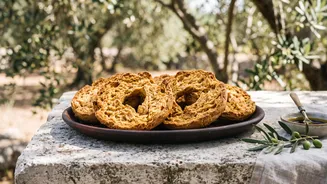
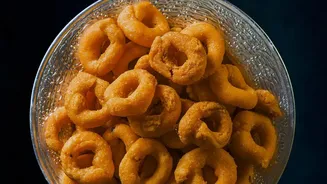
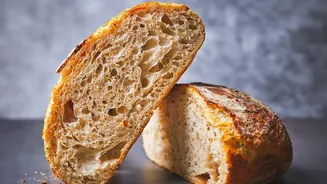
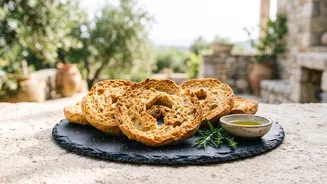
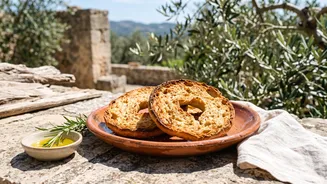
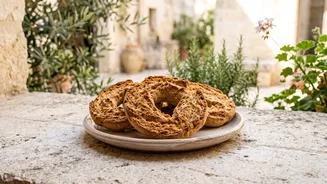
Friselle are ring-shaped loaves, typically made from durable durum wheat or barley flour, that undergo a special double-baking process. First, the dough is shaped into rings and baked until cooked through. Then, while still warm, the rings are sliced
horizontally and baked a second time at a lower temperature. This second bake, or 'biscotto' process, is the secret to its longevity, as it removes almost all moisture, resulting in a bone-dry, ultra-crisp bread that is perfectly preserved. This method has been used for centuries, creating a food that is both practical and delicious.
A Bread Born from Necessity
The history of friselle is rooted in the practical needs of Southern Italy, particularly in the regions of Puglia, Campania, and Calabria. Its origins can be traced back as far as the 10th century, where it served as essential sustenance for sailors, merchants, and farmers on long journeys. Before refrigeration, few foods could withstand lengthy sea voyages or long days in the fields. The hard, dry nature of friselle made them the perfect travel food. Their ring shape was also practical; they could be easily strung onto a rope and hung for easy transport and storage. Historically, fishermen would soften the hard bread by dipping it directly into clean seawater before topping it with whatever they had.
The Ritual of Preparation
Because friselle are deliberately baked to be incredibly hard, they are never eaten dry. Preparing them involves a brief but crucial ritual known as 'sponzatura', which means 'wetting'. To do this, the frisella is quickly dipped in a bowl of cold water for just a few seconds. The goal is to soften the interior just enough to be chewable while allowing the outside to retain some of its signature crunch. Over-soaking is a common mistake that can turn the bread mushy, so a quick dip is all that's needed. The rough, porous side of the bread is perfect for soaking up not just the water, but also the delicious toppings that come next.
Classic Toppings and Modern Twists
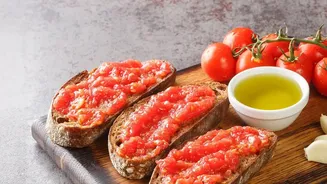
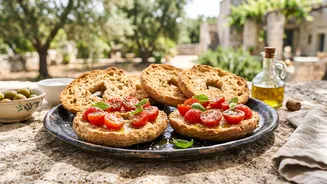
Once softened, the frisella becomes a perfect canvas for a variety of fresh ingredients. The most classic and beloved topping is a simple mix of fresh, chopped cherry tomatoes, a generous drizzle of high-quality extra virgin olive oil, a pinch of salt, and a sprinkle of dried oregano. This combination is a summer staple across Southern Italy, capturing the fresh, vibrant flavours of the region. However, the possibilities are nearly endless. Other popular additions include creamy burrata, salty anchovies, olives, and fresh basil. For a more substantial meal, some people add tuna and red onion. Modern interpretations might even include grilled peaches and arugula for a sweet and peppery contrast.
A Versatile Pantry Staple
Beyond a simple snack or appetiser, friselle's versatility makes it a valuable addition to any kitchen. The softened bread can be broken into pieces and used as the base for a rustic salad, similar to a Tuscan panzanella, tossed with cucumbers, onions, and vinegar. Its sturdy texture holds up well against juicy ingredients without falling apart, making it a superior alternative to standard bread for certain dishes. Whether enjoyed as a light lunch on a hot day, served as a crunchy side for soups and stews, or presented as a customisable appetiser for guests, friselle offers a unique taste of Italian resourcefulness and culinary tradition.