





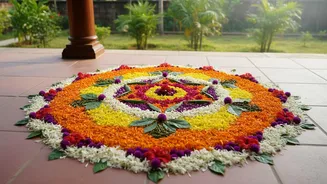
The Meaning in the Petals
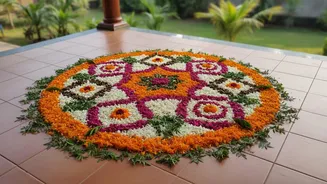
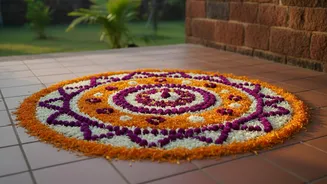
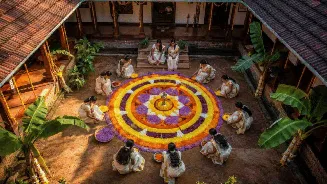
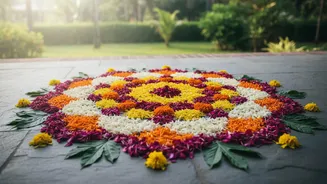
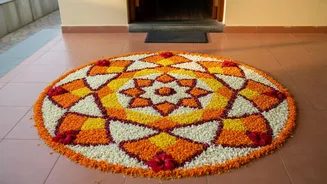
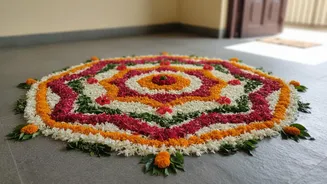
A Pookkalam, from 'poo' (flower) and 'kalam' (artwork), is more than just decoration; it’s a symbol of joy, unity, and prosperity. Traditionally, these intricate designs are created over the ten days leading up to Thiruvonam, with a new layer of flowers
added each day. Historically, families would gather flowers that grew wild in their own backyards and fields, a practice that was inherently local and sustainable. This included staples like the delicate white Thumba, red Chethi (Ixora), sacred Tulasi, and golden Mukkuthi. While modern Pookalams often feature commercially grown flowers like marigolds and roses, the original spirit of using what nature provides locally is the key to a more eco-conscious celebration.
Embrace Local and Seasonal Blooms
The most significant step towards a low-waste Pookkalam is to prioritize locally sourced, seasonal flowers. Opting for blooms grown in your region reduces the carbon footprint associated with transportation from other states or countries. Flowers like marigolds (Jamanthi), jasmine, hibiscus (Chemparathy), and globe amaranth (Vada Malli) are not only traditional but are also widely cultivated across India. Visiting a local farmer's market or community stall not only ensures freshness but also supports local growers who depend on the festive season. Ask vendors where their flowers come from. Choosing native varieties ensures they are naturally suited to the climate, requiring fewer resources to grow.
Think Beyond Just Petals
A truly sustainable Pookkalam uses more than just flower petals. Incorporate other natural elements to add texture, colour, and volume while reducing the overall quantity of flowers needed. Bright green and variegated leaves, such as those from mango or jackfruit trees, can create beautiful borders and fillers. The glossy leaves of the Tulasi plant not only add a lovely green but also a fragrant aroma. In some traditional practices, rice flour paste is used for white outlines, and a base of cow dung was historically used to prepare the floor. You can also use coloured rice, pulses, or even spices like turmeric to create vibrant, food-safe sections within your design, all of which can be gathered and used later or composted easily.
Buy Mindfully, Use Wholly
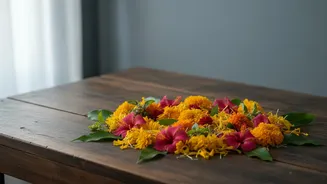
One of the simplest ways to reduce waste is to avoid over-purchasing. Before heading to the market, sketch out your design and estimate the quantity of flowers needed for each section. This prevents ending up with a surplus of wilting flowers. When you prepare the flowers, try to use the entire bloom. Instead of just plucking petals, consider using whole smaller flowers like Thumba or Mukkutti. If you do have leftover flowers, don't discard them immediately. They can be used to create smaller floral arrangements in bowls of water (urulis), decorate the dining area for the Onasadya, or be woven into small garlands for doorways.
The Afterlife of Your Pookkalam
The celebration doesn't end when the Pookkalam is dismantled. A sustainable approach considers the entire lifecycle of the flowers. To ensure your Pookkalam returns to the earth cleanly, avoid using any non-biodegradable materials like plastic glitter, synthetic colours, or foam bases. Once Onam is over, the flowers and leaves can be composted. Composting is an excellent way to turn floral waste into nutrient-rich soil for your garden. If you don't have a compost bin, you can bury the flowers in a corner of your garden or even in a large pot filled with soil. Some flowers, like marigolds and roses, can also be dried to create potpourri, adding a lingering fragrance to your home long after the festival has passed.