
The Battery Bottleneck
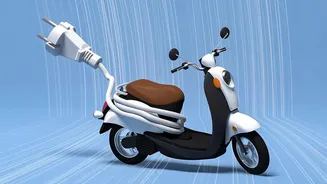
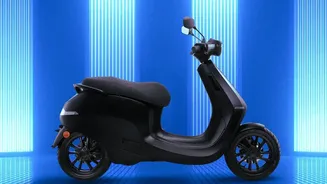
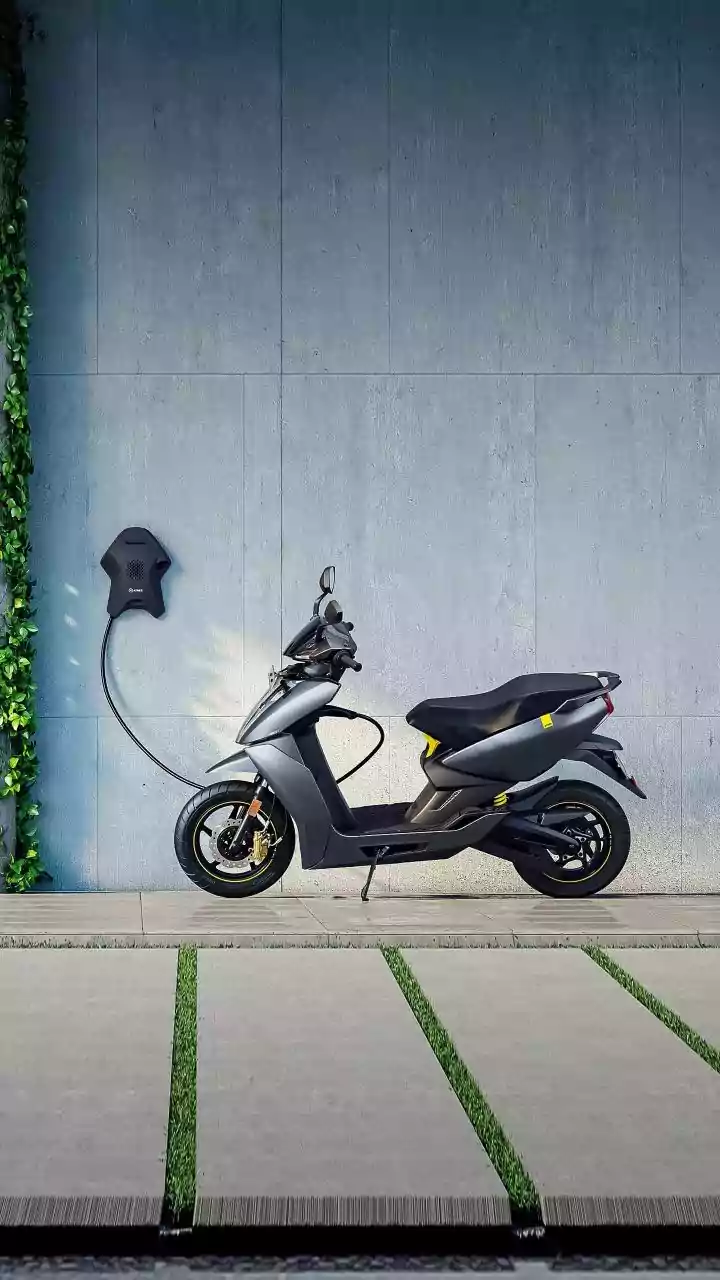
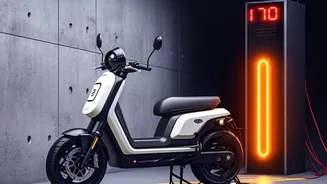
For all their convenience, today's e-scooters are held back by their power source. Most run on lithium-ion batteries, the same technology in your phone. While effective, they have limitations. Riders often experience 'range anxiety,' the fear of the battery
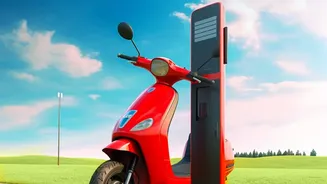
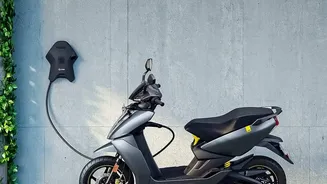
dying mid-commute. These batteries also degrade over time, holding less charge after a couple of years. Charging can take hours, and in rare but serious cases, they pose a fire risk if damaged or improperly charged, a major concern for a vehicle often kept indoors. These issues form a bottleneck, preventing e-scooters from reaching their full potential as the ultimate urban vehicle.
Solid-State: The Safety and Range King
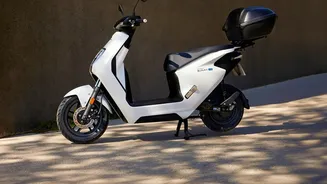
Enter the solid-state battery, a potential game-changer. This technology replaces the flammable liquid electrolyte found in current lithium-ion batteries with a solid material. This simple change has massive implications. First and foremost, it dramatically reduces the risk of fire, even if the battery is punctured. Second, solid-state batteries can achieve higher energy density. For the rider, this translates directly into more range from a battery of the same size and weight, or a lighter scooter with the same range. While still in development for mass production, companies like Honda are investing heavily, seeing them as the key to safer, high-performance EVs.
Sodium-Ion: The Affordable and Sustainable Choice
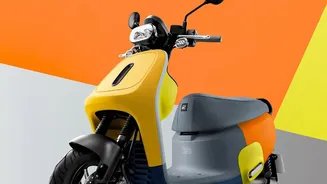
Another powerful contender is the sodium-ion battery. Instead of lithium, it uses sodium—a cheap and abundant material that can be sourced from common salt. This makes sodium-ion batteries significantly cheaper to produce, which could lower the cost of e-scooters for the mass market in India. While their energy density is currently lower than high-end lithium-ion, making them best suited for short-range urban scooters, they offer excellent safety and perform well in extreme temperatures. Companies like Yadea and Indian manufacturer Jitendra EV are already developing sodium-ion powered two-wheelers, promising an affordable and eco-friendly alternative.
Smarter Batteries, Not Just New Chemistries
The revolution isn't just happening inside the battery cell. Advanced Battery Management Systems (BMS) are acting like a smart brain for the power pack. Modern BMS can monitor the health of individual cells, manage charging to prevent degradation, and balance power output for maximum efficiency and longevity. Using integrated smart communication technology, some systems can even send real-time diagnostics to a rider's phone app and receive over-the-air (OTA) software updates. This proactive approach means a scooter's battery can be optimized throughout its life, extending its usefulness and ensuring rider safety.
The Road Ahead for Indian Riders
So when will these next-gen scooters hit Indian roads? The transition is already beginning. Sodium-ion scooters are being developed with an eye on the Indian market, promising more affordable EVs within the next few years. Indian research institutions are also making strides in this area, with some developing fast-charging sodium-ion prototypes. Solid-state batteries may take a bit longer to become common in scooters, likely appearing in other applications first. However, the direction is clear. The future of electric scooters isn't tied to a single 'perfect' battery but a range of specialized solutions tailored for different needs—from low-cost city commuters to high-performance models.