


A New Language of Style
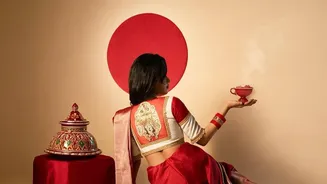
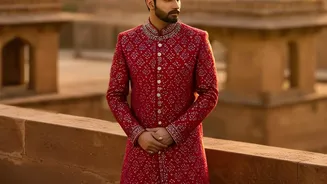
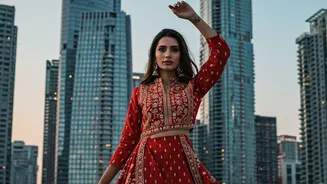
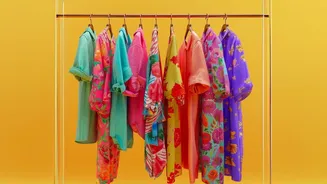
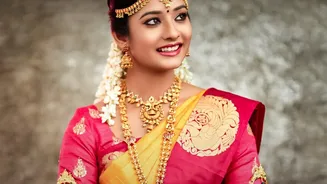
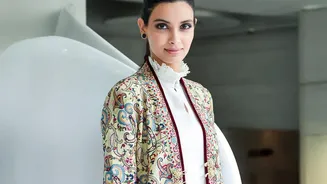
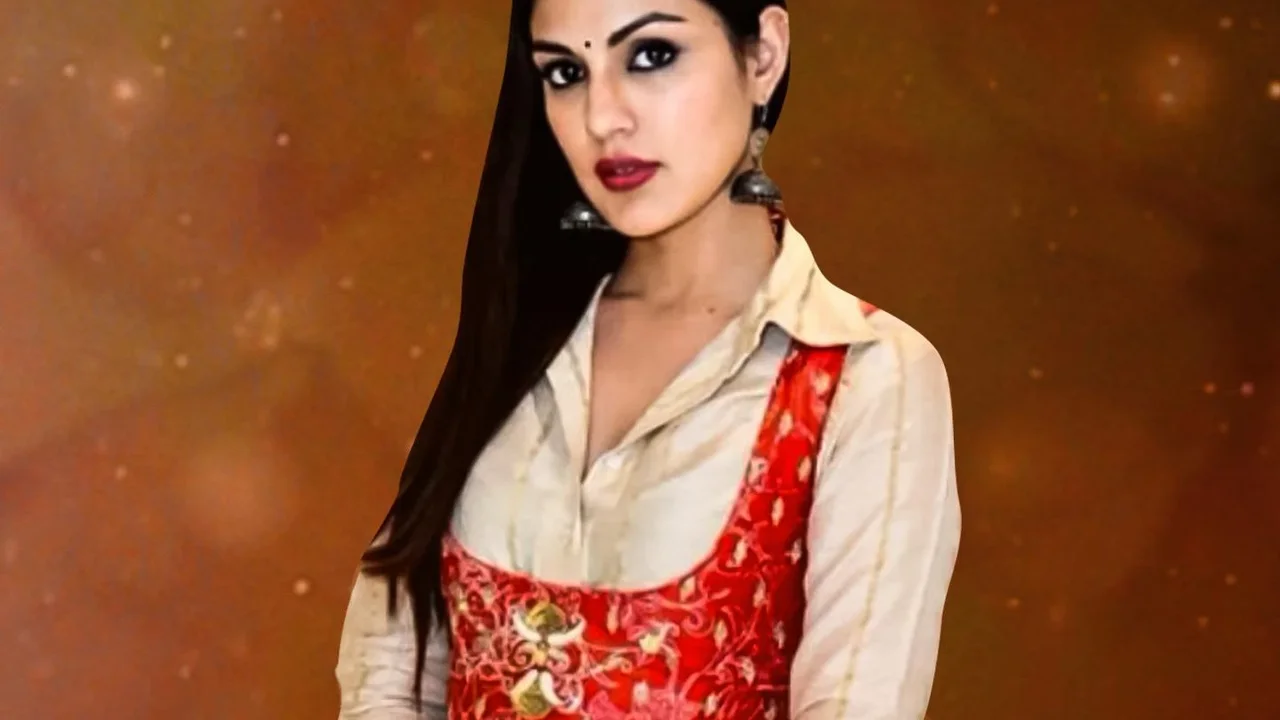
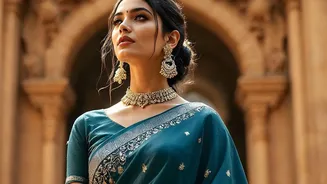
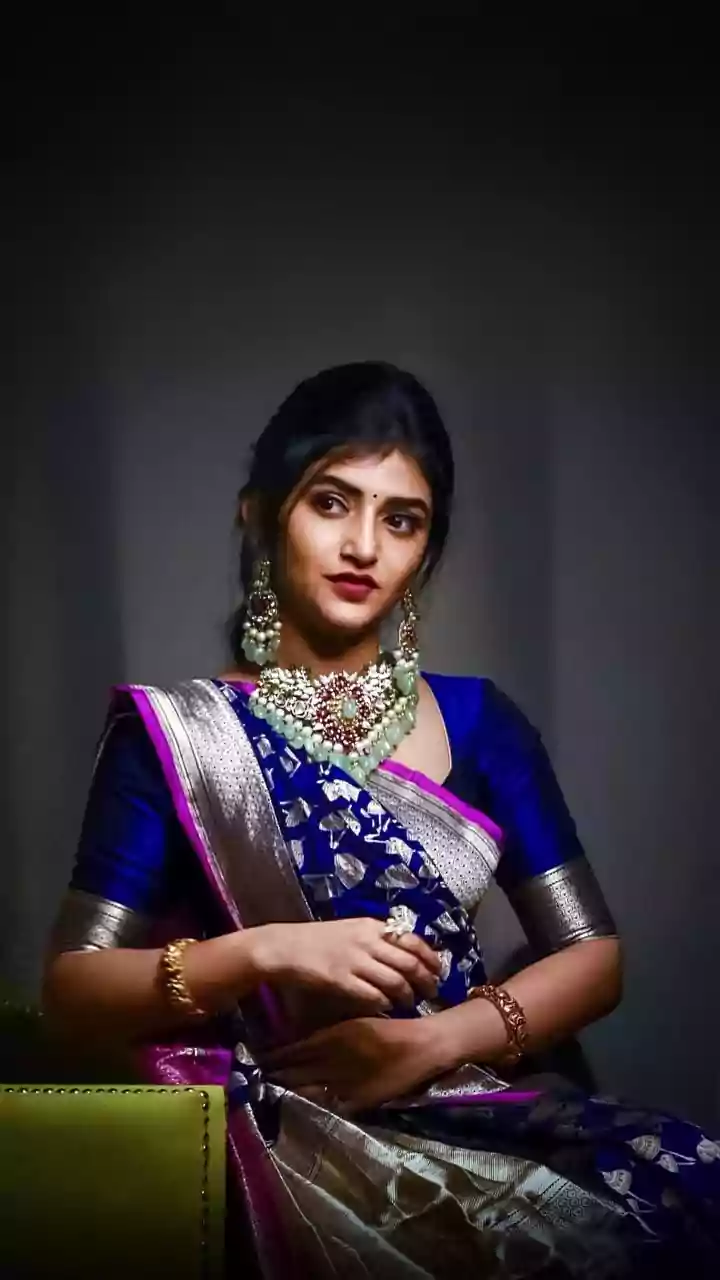
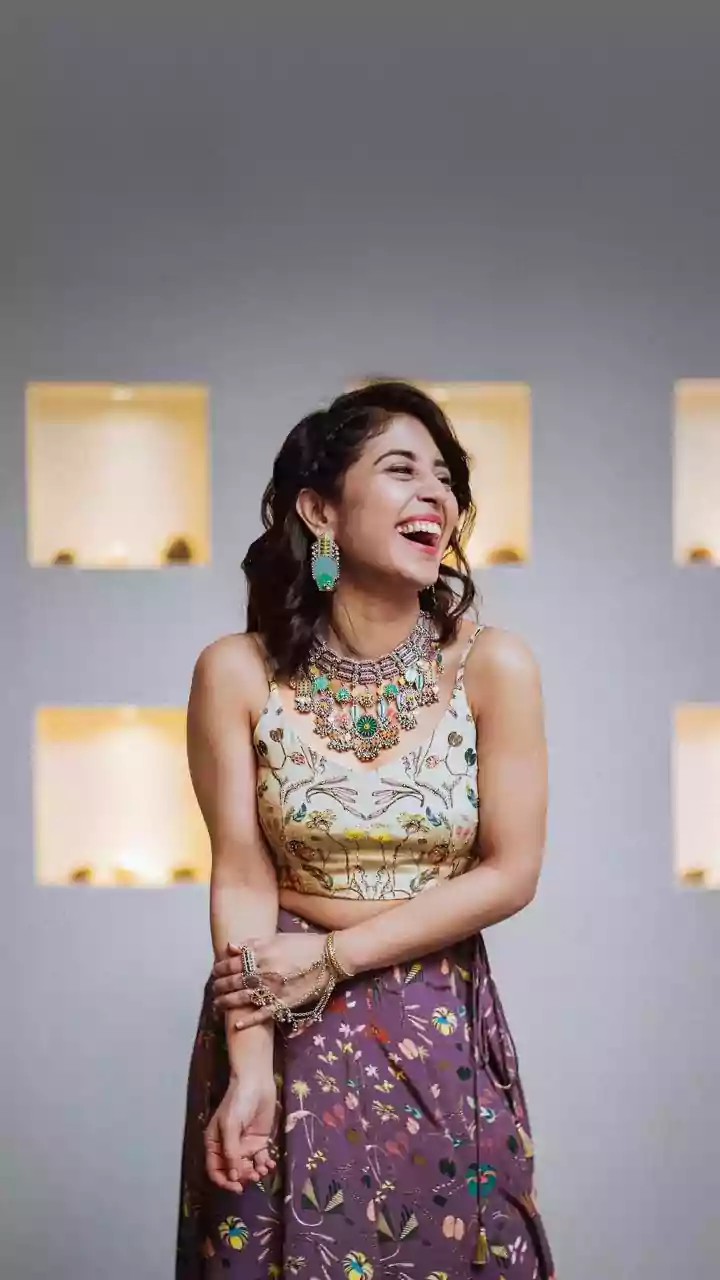
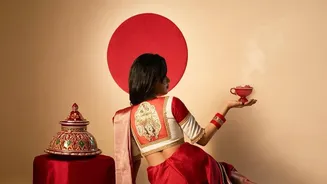
For decades, traditional Indian textiles were often reserved for occasion wear—sarees and lehengas for weddings and festivals. But a new generation is rewriting the rules. They are taking heritage fabrics like Jamdani, Chanderi, and Ikat and interpreting
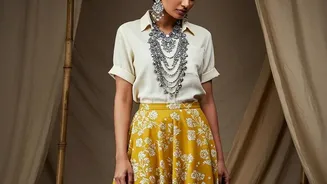
them through contemporary silhouettes. Think tailored trousers, crop tops, versatile jackets, and relaxed-fit dresses. This fusion creates a wardrobe that is both globally aware and distinctly Indian, moving these precious textiles from the back of the closet into everyday life. It’s a visual language that says, ‘I am modern, but I know where I come from’.
Fashion as Self-Expression
For young Indian buyers, particularly Gen Z and millennials, fashion is a primary tool for self-expression. It’s less about conforming to trends and more about curating a personal identity. This generation navigates a complex world of global influences and deep-seated cultural roots. Pairing a modern silhouette with a heritage textile is a powerful way to bridge this gap. It allows them to celebrate their Indianness without being confined by traditional clothing norms, creating a look that feels authentic, unique, and deeply personal in a world of homogenized fast fashion.
The All-Important Comfort and Versatility
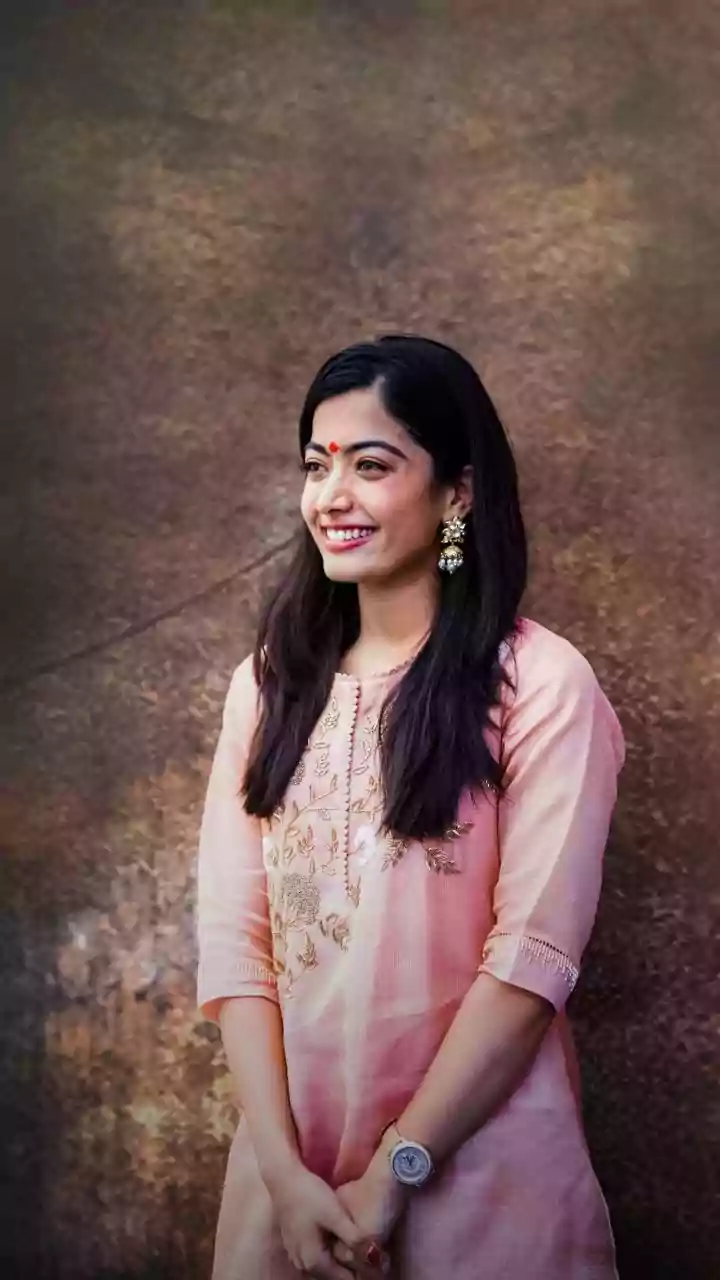
Practicality is a major driver behind this trend. Younger consumers demand comfort and versatility from their clothing to match their fast-paced, multi-faceted lives. A heavily embroidered traditional outfit may not be practical for a day that includes college lectures, a work meeting, and a casual dinner with friends. Modern silhouettes offer ease of movement and functionality. A pre-dstitched saree, a kurta paired with jeans, or a dress made from handloom cotton offers the best of both worlds: the beauty and richness of the traditional fabric with the comfort and practicality of a modern garment.
A Shift Towards Conscious Choices
The story behind a garment is becoming as important as its appearance. Younger buyers are increasingly aware of sustainability and the environmental impact of fast fashion. Heritage textiles, which are often handwoven and made using natural dyes, align perfectly with this conscious mindset. Choosing an outfit made from handloom fabrics is seen as a way to support local artisans, preserve endangered crafts, and invest in 'slow fashion'—pieces that are timeless and made to last. This adds a layer of meaning and value to their purchase that mass-produced clothing cannot offer.
The Power of Designers and Digital Trends
This movement has been championed by a new wave of Indian designers who are creatively reinterpreting tradition. They are experimenting with innovative cuts and styles, proving that heritage textiles can be both cool and contemporary. Social media has played a crucial role in popularizing these looks. Influencers and fashion creators showcase how to style these fusion pieces in fresh, accessible ways—pairing a silk skirt with sneakers or layering a block-printed jacket over a simple top—making the trend aspirational and easy to adopt. This digital exposure has been key in bringing handloom textiles to a younger, fashion-forward audience.