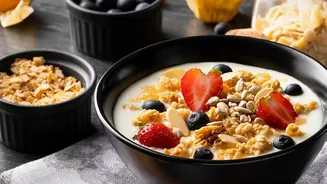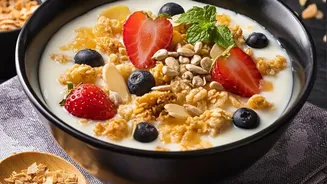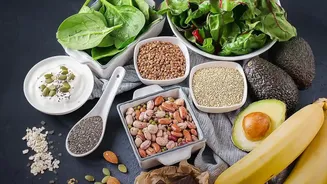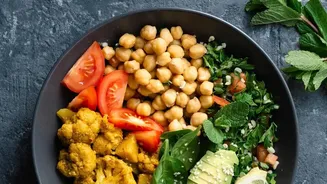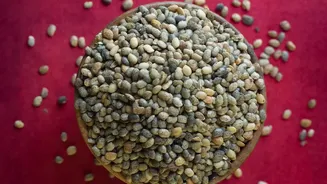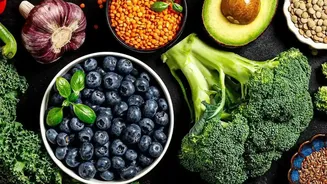






Starting the day with a blood-sugar-friendly breakfast is key for diabetes management. It can feel challenging, but adding a small portion of edible seeds is a simple, powerful way to boost nutrition, flavour, and control without complexity.
1. Chia Seeds: The Fibre Powerhouse
Tiny but mighty,
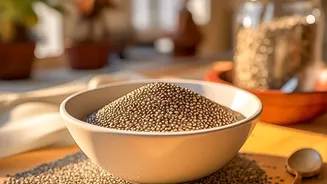
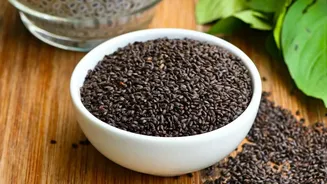
chia seeds are a fantastic addition to a diabetic diet. They are exceptionally high in soluble fibre, which forms a gel-like substance when mixed with liquid. This process slows down digestion and the absorption of carbohydrates, helping to prevent sharp spikes in blood sugar after meals. A single serving of about two tablespoons contains roughly 10 grams of fibre. Chia seeds are also packed with protein and omega-3 fatty acids, which contribute to heart health and reduce inflammation. Their ability to absorb liquid also helps you feel fuller for longer, which can aid in weight management. For a simple breakfast, stir a tablespoon of chia seeds into your morning yogurt or oatmeal, or prepare a chia seed pudding overnight for a grab-and-go meal.
2. Flax Seeds: Heart Health and Control
Flax seeds, also known as linseeds, are celebrated for their rich content of lignans, a type of antioxidant, and alpha-linolenic acid (ALA), a plant-based omega-3 fatty acid. These components work together to support cardiovascular health, which is a crucial consideration for individuals with diabetes. Like chia seeds, flax is high in soluble fibre that helps stabilise blood sugar levels by slowing glucose absorption. Studies have shown that regular consumption of flax seeds can lead to modest improvements in fasting blood sugar and HbA1c levels. To get the maximum benefit, it's best to consume flax seeds in their ground form, as the whole seeds can pass through the digestive system undigested. Sprinkle a tablespoon of ground flaxseed over your morning smoothie, cottage cheese, or mix it into whole-grain pancake batter.
3. Pumpkin Seeds: A Magnesium Boost
Pumpkin seeds, or pepitas, are more than just a seasonal snack. They are one of the best natural sources of magnesium, a mineral that plays a vital role in glucose metabolism and insulin sensitivity. Many people with type 2 diabetes have low magnesium levels, and increasing intake can help improve the body's response to insulin. These seeds are also a great source of plant-based protein, healthy fats, and zinc, which further supports insulin regulation. With their low carbohydrate content, pumpkin seeds have a minimal impact on blood sugar. A one-ounce (about 28-gram) serving provides a satisfying crunch and a wealth of nutrients. Enjoy a small handful as a snack, or sprinkle them over avocado toast or a bowl of soup for added texture and nutrition.
4. Sunflower Seeds: Rich in Vitamin E
Sunflower seeds are an excellent source of vitamin E, a powerful antioxidant that helps protect cells from damage, and selenium, which also plays a role in reducing inflammation. They have a very low glycemic index, meaning they won't cause a rapid rise in blood sugar levels. The combination of protein, fibre, and healthy fats in sunflower seeds promotes satiety and helps slow down digestion, contributing to better overall glycemic control. Studies suggest these seeds can help improve insulin sensitivity and regulate blood sugar. When choosing sunflower seeds, opt for unsalted varieties to avoid excess sodium. A small portion of about one to two tablespoons can be easily added to salads, mixed into trail mixes, or sprinkled on top of a vegetable omelet for a nutritious breakfast.
5. Sesame Seeds: Unique Antioxidants
Often used as a topping, sesame seeds deserve a more prominent place in a diabetes-friendly diet. They contain unique antioxidants called sesamin and sesamolin, which have anti-inflammatory properties. They are also rich in magnesium, protein, and healthy fats, all of which contribute to better blood sugar control. Research indicates that sesame consumption can lead to reductions in fasting blood sugar and HbA1c. Their high fibre content helps slow the release of sugar into the bloodstream. A small serving of one to two tablespoons is enough to reap the benefits. Try sprinkling sesame seeds on stir-fried vegetables with eggs for a savoury breakfast or blend them into tahini to use as a base for a healthy breakfast dressing.