





1. Assume All Puddles Hide Live Wires
The single most lethal threat in a waterlogged Indian street is electrocution. When heavy rains cause damage, live electrical wires from aging poles, streetlights, or underground cables can fall into or make contact with standing water. Since dirty rainwater
is an excellent conductor of electricity, the entire water body can become electrified. You do not need to touch the wire itself; simply stepping into the charged water is enough to cause a fatal shock. Therefore, the first and most critical habit is to treat all stagnant water with extreme suspicion. Avoid walking through any flooded patch, especially if it is near electrical poles, transformers, or junction boxes. If you see sparks, a fallen wire, or even a tilted pole, stay far away and report it to the local electricity board immediately. When rescuing someone who has collapsed in water, do not rush in. Use a dry, non-conductive object like a wooden stick to pull them to safety.
2. Beware the Invisible Threat of Open Manholes
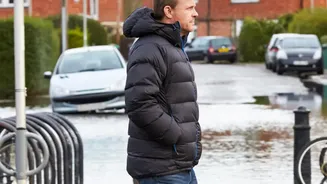
What you can't see can seriously injure you. Under the murky, opaque surface of a flooded street, a deadly hazard lurks: open manholes. The pressure of rising floodwater can easily dislodge heavy manhole covers, creating deep, unseen pits. For pedestrians wading through knee-deep water, a single misstep can lead to a fall into the sewer system, resulting in severe injuries, getting trapped, and even drowning. To protect yourself, avoid walking through waterlogged areas whenever possible. If you absolutely must, use a long stick or a sturdy umbrella to probe the ground in front of you before each step. This helps you check the stability of the surface and detect any sudden drops in depth. Walk slowly and deliberately, and never assume the path you take every day is safe when it's submerged.
3. Drive Slow, or Better Yet, Don't Drive at All
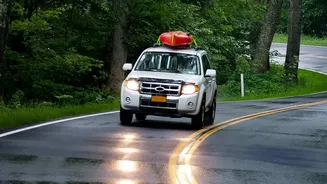
A car is not a boat. The common impulse to power through a flooded section of road often leads to disaster. It only takes about six inches of water to reach the bottom of most cars, which can lead to stalling or loss of control. Just one foot of water is enough to make many vehicles float, and two feet can sweep away even larger SUVs and trucks. Driving through water can also cause catastrophic damage to your vehicle. Water sucked into the engine's air intake can cause it to hydrolock, a severe failure that can destroy the engine. Furthermore, water can short-circuit complex electrical systems, damage the brakes, and contaminate essential fluids. The safest habit is to follow the simple rule: Turn Around, Don't Drown. Find an alternative route. If you are caught in a vehicle as water rises, abandon it immediately and move to higher ground.
4. Protect Yourself from Contaminated Water
Floodwater is far from clean. It is often a toxic soup of sewage, industrial chemicals, waste, and debris. This water can carry a host of bacteria and viruses, leading to a range of health issues. Wading through it, especially with an open cut or wound, can cause nasty skin infections, rashes, or even tetanus. If ingested, it can cause gastrointestinal illnesses like diarrhea and vomiting. Diseases like leptospirosis, while not extremely common, are also a risk associated with exposure to contaminated floodwater. To stay safe, the best habit is to avoid contact altogether. Do not let children play in floodwater. If you do come into contact with it, wash the exposed skin with soap and clean water as soon as possible. If you have any open wounds, clean them thoroughly and seek medical attention, as a tetanus booster may be necessary.
5. Assess the Depth Before You Proceed
Looks can be deceiving, and judging the depth of a waterlogged road is a common and dangerous mistake. A stretch of water might look like a shallow puddle but could easily hide a deep crater or a washed-out section of road. Before attempting to walk or drive through any water, take a moment to assess the situation. Observe other vehicles or people to gauge the depth. Look for kerbs, dividers, or other landmarks that can give you a clue. Remember that even if a bus can get through, your smaller car or two-wheeler might not. If the water is above the centre of your car's wheels, it is too deep to risk. Driving into water of an unknown depth is a gamble with your vehicle and your life. When in doubt, the most sensible habit is to wait for the water to recede or find a safer, drier path.