


A Symphony of Petals
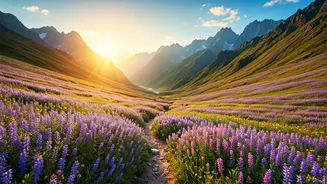
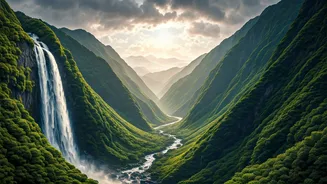
Nestled high in the Chamoli district of Uttarakhand, the Valley of Flowers National Park is more than just a trek; it's an encounter with nature in its most pristine form. A designated UNESCO World Heritage site, this high-altitude valley remains blanketed
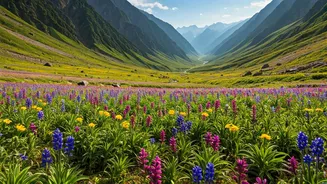
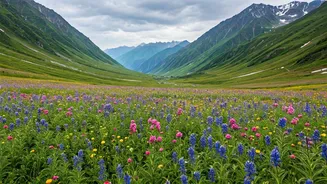
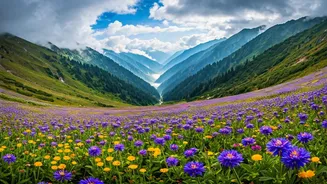
in snow for most of the year. But for a few precious months, typically from June to October, it bursts into a riot of colour. The park officially opens its trails on June 1st each year, inviting trekkers and botanists to witness a landscape dotted with over 600 species of exotic flowers, including the elusive blue poppy, cobra lily, and the celestial Brahma Kamal, Uttarakhand's state flower.
The Journey Begins
The adventure to this floral wonderland is as breathtaking as the destination itself. The trek begins from Pulna village, which is a short drive from Govindghat. From Pulna, a well-paved 9-kilometre trail takes you to Ghangaria, the base camp for both the Valley of Flowers and the revered Sikh shrine, Hemkund Sahib. This part of the journey is a steady ascent alongside the gushing Lakshman Ganga river. The path is dotted with small dhabas offering refreshments. You can choose to trek, hire a mule, or use the palanquin service. Ghangaria is a bustling hamlet with basic guesthouses and hotels, where trekkers acclimatise and rest for the night before the final push into the valley.
Entering the Valley
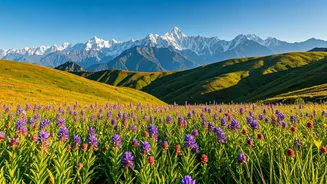
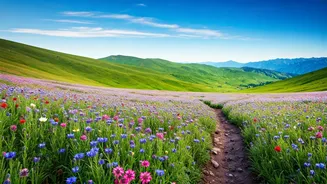
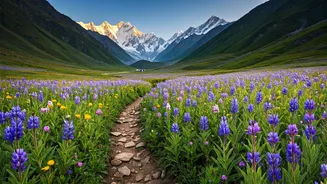
The next morning, after obtaining the necessary entry permit from the forest department checkpoint in Ghangaria, the real magic begins. A 3-kilometre trek takes you to the official entrance of the Valley of Flowers. The moment you step inside, the world changes. The narrow mountain path gives way to a sprawling expanse of meadows flanked by snow-capped peaks. The air is crisp and filled with the faint scent of a million blossoms. The park rules are strict: you must enter and exit on the same day, as overnight camping is prohibited to preserve the fragile ecosystem. This means you have a good five to six hours to explore the 10-kilometre-long valley before you must start your trek back to Ghangaria.
When to Witness the Bloom
While the park opens in June, the floral spectacle truly peaks between mid-July and mid-August. This is when the monsoon rains have fully nourished the soil, resulting in a dense carpet of flowers in every imaginable hue—pinks, yellows, purples, and blues. Early in the season (June), you'll find lingering snow patches and early bloomers like primulas. As July progresses, the variety explodes with potentillas, geraniums, and asters. By August, the valley is at its most lush and vibrant. September sees the beginning of the autumn colours, offering a different but equally stunning landscape before the valley prepares for its long winter sleep.
Essential Planning Tips
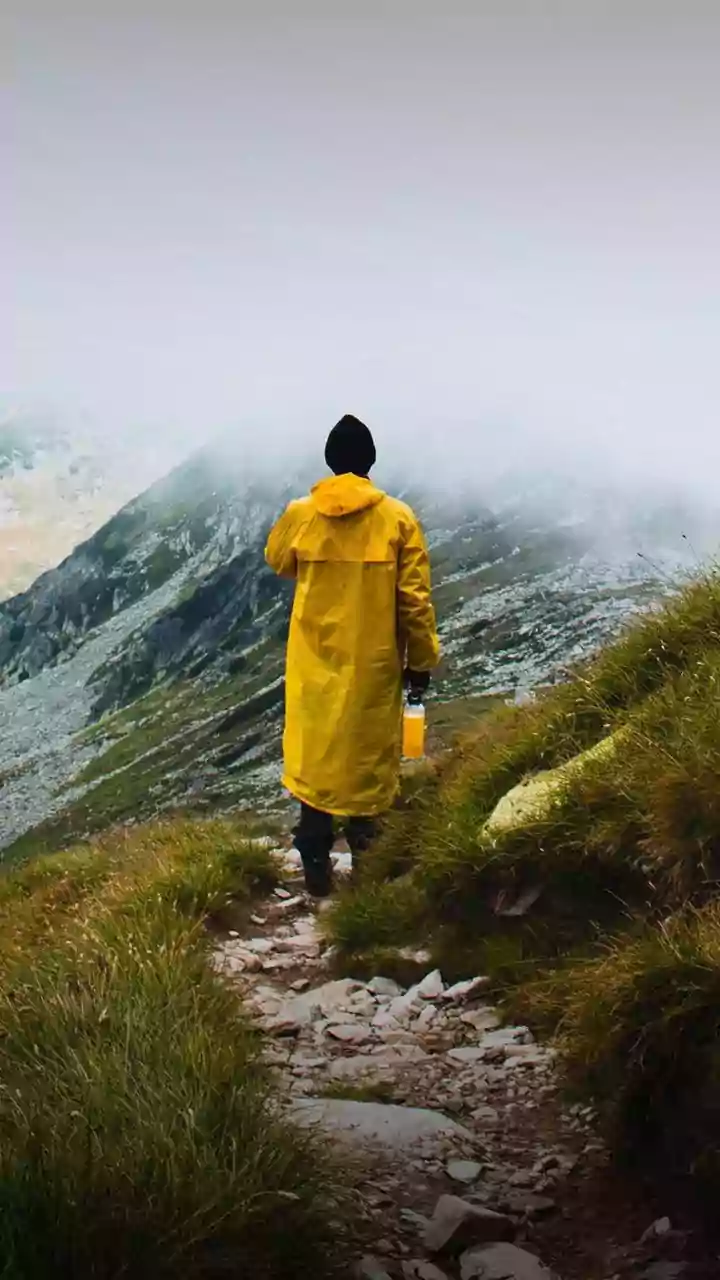
A trip to the Valley of Flowers requires some planning. First, ensure you are physically prepared for high-altitude trekking. The trail is moderate but involves significant walking. Pack layers of warm clothing and reliable rain gear, as mountain weather is notoriously unpredictable. Good, broken-in trekking shoes are non-negotiable. Book your accommodation in Ghangaria in advance, especially if you plan to travel during the peak season. Carry a basic first-aid kit, sunscreen, and a reusable water bottle. Remember that mobile connectivity is sparse to non-existent beyond Govindghat, making it a perfect opportunity for a digital detox. Always trek with a registered guide for safety and a richer experience.