

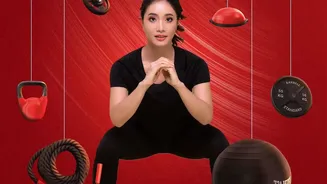
Why Bodyweight Training is Perfect for Hostel Life
Forget expensive gym memberships and long commutes. Bodyweight training is your secret weapon for staying active amidst the chaos of student life. The biggest advantage is its sheer convenience; your dorm room instantly becomes your personal gym, available
24/7. This means no waiting for equipment, no travelling in bad weather, and no recurring fees that eat into your budget. More importantly, bodyweight exercises force you to focus on form and control, building functional strength that helps in everyday activities. They are incredibly adaptable—by changing the tempo, reps, or exercise variation, you can continuously challenge yourself without needing a single dumbbell. Plus, in a shared living situation, the ability to get a quiet, effective workout without disturbing your roommate is a priceless benefit.
The 20-Minute Blueprint for Success
Consistency beats intensity every time, and this 20-minute routine is designed to be effective and easy to stick with. Brief, regular exercise sessions have been shown to boost focus, improve sleep, and reduce stress—all crucial for academic success. The structure is simple and efficient, ensuring you get a full-body workout without wasting a minute. Here’s the breakdown: - Dynamic Warm-Up (3 Minutes): To get your blood flowing and prepare your muscles. - The Main Circuit (15 Minutes): A series of exercises targeting major muscle groups. - Cool-Down Stretch (2 Minutes): To improve flexibility and aid recovery.
Part 1: The 3-Minute Dynamic Warm-Up
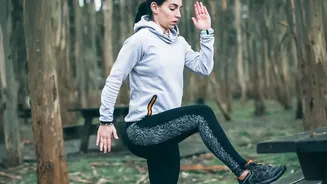
Never skip your warm-up, especially in a cool or air-conditioned room. A proper warm-up prevents injury by increasing blood flow and loosening up your joints. Perform each of the following movements for 30 seconds: - Arm Circles: Stand tall and make large circles with your arms, first forwards, then backwards. - Torso Twists: With your feet shoulder-width apart and hands on your hips, gently twist your upper body from side to side. - Leg Swings: Hold onto a wall or your desk for balance and swing one leg forward and backward, then side to side. Repeat with the other leg. - Spot Marching: March in place, bringing your knees up towards your chest to gently raise your heart rate.
Part 2: The 15-Minute Power Circuit
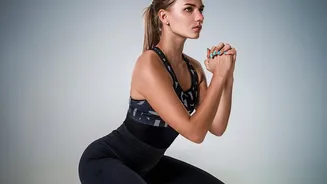
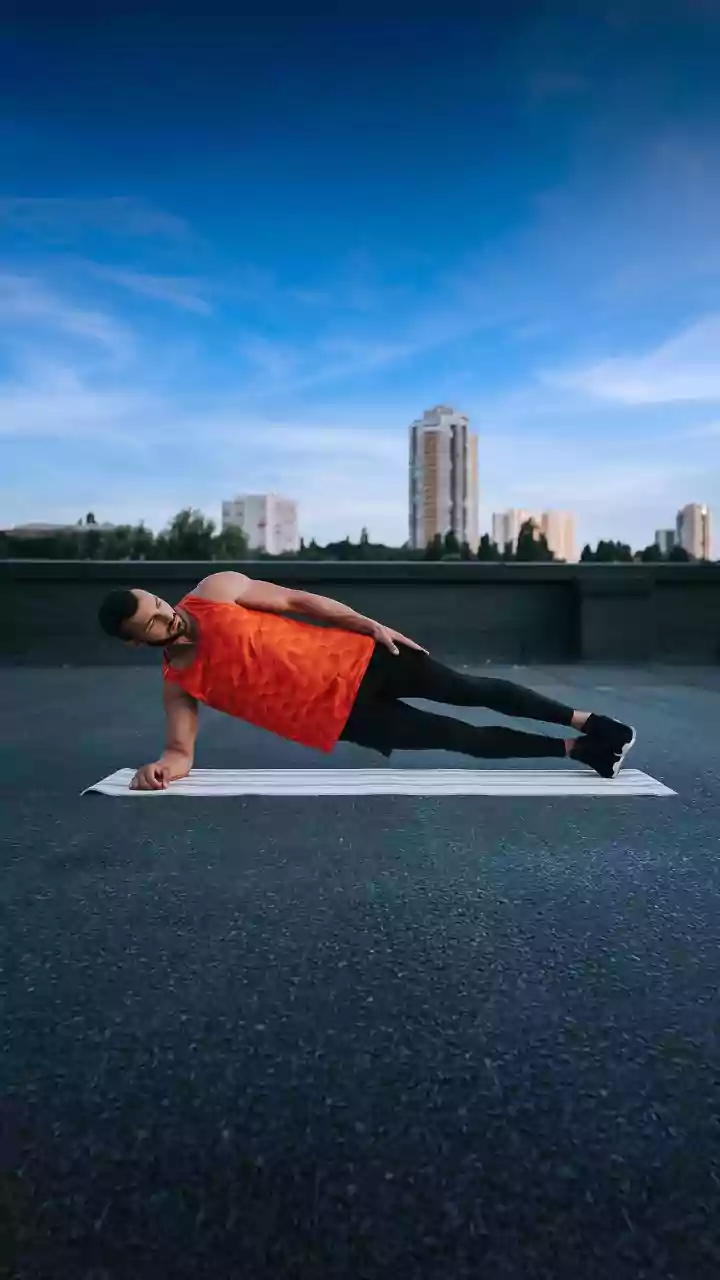
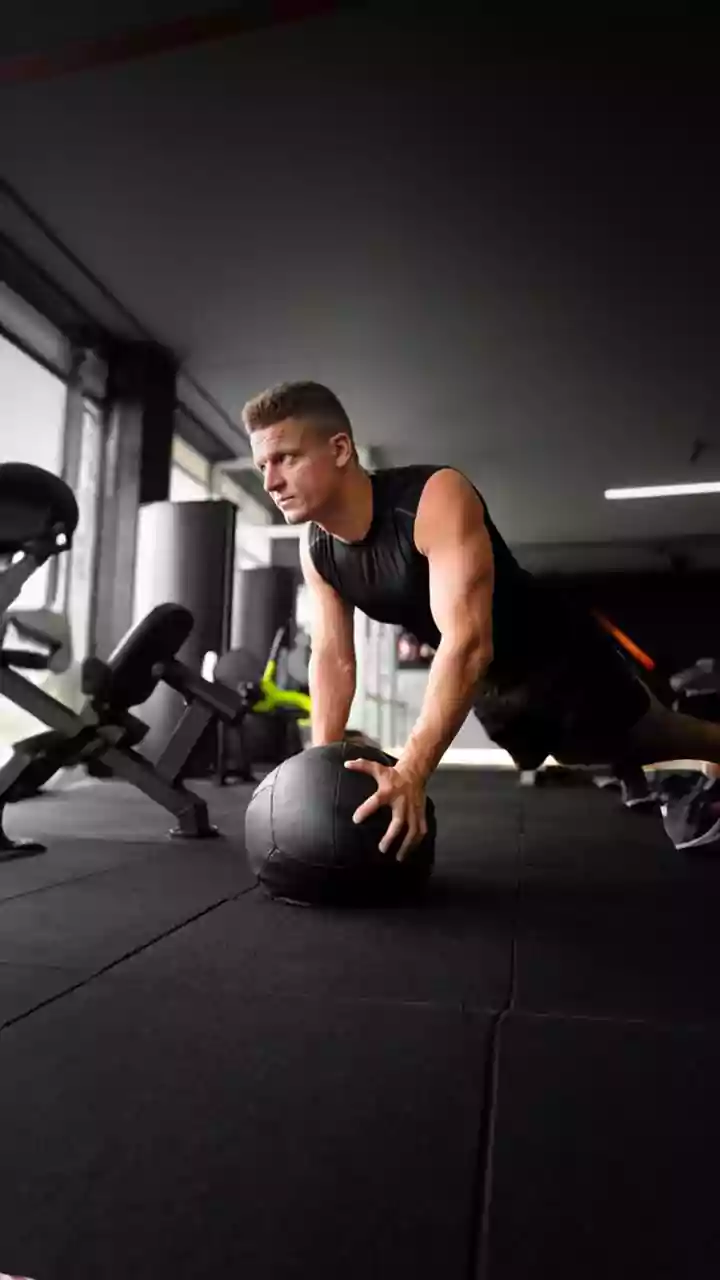
This is the core of your workout. The format is a circuit: perform each exercise for 45 seconds, followed by 15 seconds of rest before moving to the next. Once you complete all five exercises, that’s one round. Rest for 60 seconds, then repeat the entire circuit for a total of three rounds. 1. Bodyweight Squats: Stand with feet shoulder-width apart. Lower your hips as if sitting in a chair, keeping your chest up and back straight. Push through your heels to return to the start. 2. Push-Ups: Place your hands slightly wider than your shoulders. Lower your body until your chest nearly touches the floor, then push back up. If this is too difficult, perform them with your knees on the ground. 3. Reverse Lunges: Step one foot straight back, lowering both knees to a 90-degree angle. Push off your back foot to return to standing and alternate legs. This is safer for cramped spaces. 4. Plank: Hold a push-up position, but on your forearms instead of your hands. Keep your body in a straight line from head to heels, engaging your core. 5. Jumping Jacks: A classic cardio move to keep your heart rate up. For a quieter, low-impact option, do step-jacks, stepping one foot to the side at a time while your arms move.
Part 3: The 2-Minute Cool-Down
After your final round, don’t just collapse onto your bed. A cool-down helps your heart rate return to normal and reduces muscle soreness. Hold each stretch for 30 seconds, breathing deeply. - Quadriceps Stretch: Standing, hold onto something for balance. Grab your right foot and gently pull your heel towards your glutes. Repeat on the left side. - Hamstring Stretch: Sit on the floor with one leg extended straight and the other bent. Gently lean forward over the straight leg until you feel a stretch. - Chest Stretch: Clasp your hands behind your back and gently pull your shoulders back, opening up your chest. - Triceps Stretch: Reach one arm overhead, bend at the elbow, and let your hand fall down your back. Use your other hand to gently pull the elbow.