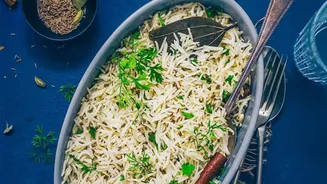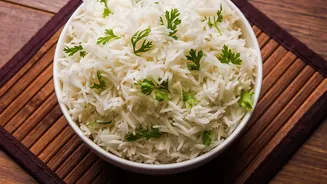




The Allure of a Single Pot
The beauty of a one-pot meal lies in its elegant efficiency. By cooking everything in a single vessel—from aromatics and vegetables to the rice itself—you create layers of flavour that are impossible to achieve when components are cooked separately. The vegetables,
spices, and proteins release their essences into the cooking liquid, which is then absorbed by every single grain of rice. This method not only simplifies the cooking process but also drastically reduces cleanup time, making it a perfect solution for busy weeknights. It's a style of cooking that champions convenience without sacrificing taste, allowing you to create wholesome, satisfying meals with less stress and fewer dishes.
Why Basmati Is the Perfect Candidate
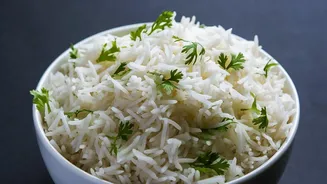
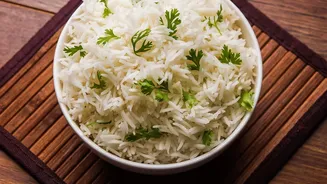
Not all rice is created equal, and basmati is uniquely suited for one-pot preparations. Known for its distinct nutty aroma and long, slender grains, basmati has a firm structure that allows it to cook up light and fluffy, with each grain remaining separate. Unlike shorter-grain varieties that can become sticky from excess starch, basmati's lower starch content helps it avoid clumping, provided it is prepared correctly. Furthermore, its ability to absorb flavours makes it an ideal canvas for the rich broths and spices characteristic of one-pot dishes like pulao or biryani. When cooked properly, the grains elongate, creating a visually appealing and texturally satisfying foundation for your meal.
Mastering the Foundational Technique
Success with one-pot basmati recipes hinges on a few key steps. First, always rinse the rice under cold water until it runs clear to remove excess surface starch. For even longer, fluffier grains, soaking the rice for 20-30 minutes is highly recommended, though not strictly mandatory. Next, begin by sautéing your aromatics—like onions, ginger, garlic, and whole spices—in ghee or oil directly in your pot. Add any vegetables and continue to sauté before adding the drained rice. The crucial step is the water ratio. A good starting point for one-pot stovetop recipes is 1 cup of rice to 1.5–1.75 cups of water. After adding the liquid and salt, bring it to a boil, then immediately reduce the heat to its lowest setting, cover with a tight-fitting lid, and let it simmer for 12-15 minutes without peeking.
Common Pitfalls and How to Avoid Them
The most common issue with one-pot rice is a mushy or sticky texture. This is almost always caused by too much water or by skipping the rinsing step. Using an incorrect water-to-rice ratio is a frequent mistake that leads to disappointment. Another pitfall is stirring the rice while it cooks. This can break the delicate grains and release starch, resulting in a gummy consistency. Once the lid is on, the rice should be left undisturbed to allow steam to do its work. Finally, one of the most overlooked steps is allowing the rice to rest. After turning off the heat, let the pot stand, still covered, for at least 10 minutes. This resting period allows the moisture to redistribute evenly, ensuring the grains are perfectly cooked and firm.
Simple One-Pot Recipe Inspiration
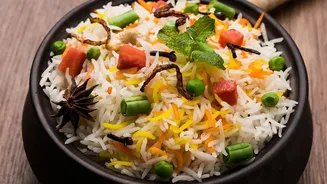
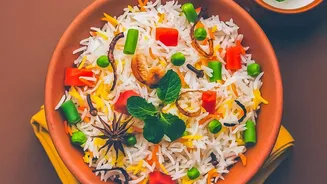
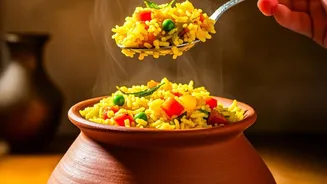
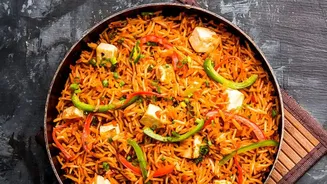
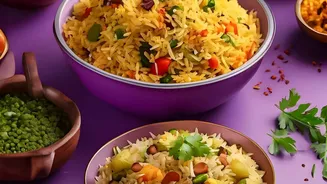
Once you've mastered the basic technique, the possibilities are endless. A classic Vegetable Pulao is a perfect starting point. Sauté cumin seeds, a bay leaf, cinnamon, and cloves before adding sliced onions, ginger-garlic paste, and mixed vegetables like carrots, peas, and beans. Stir in the rinsed rice, add water and salt, and cook as directed. For a different flavour profile, try a simple Tomato Rice, where puréed tomatoes form part of the cooking liquid, or a fragrant Lemon Rice, finished with a squeeze of fresh lemon juice and coriander. Each variation uses the same core one-pot method, proving just how versatile this approach can be.