



A Different Kind of Escape
The hills of Sikkim, particularly the regions famous for their large cardamom (badi elaichi) plantations, are witnessing a quiet revolution. It's not about weekend trips or ticking off a checklist of sights. Instead, a wave of remote bookings indicates
a deeper shift in travel preferences. Urban dwellers, armed with laptops and a desire for disconnection, are reserving homestays and farm stays for weeks, sometimes even months. This trend, accelerated by the normalisation of remote work, is less about tourism and more about temporary relocation. Travellers are seeking immersion, not just a visit, trading cramped city apartments for sprawling views and the quiet rhythm of mountain life.
The Allure of the Spice Hills
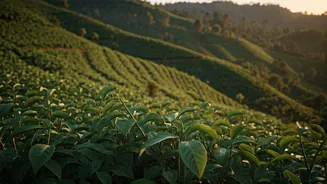
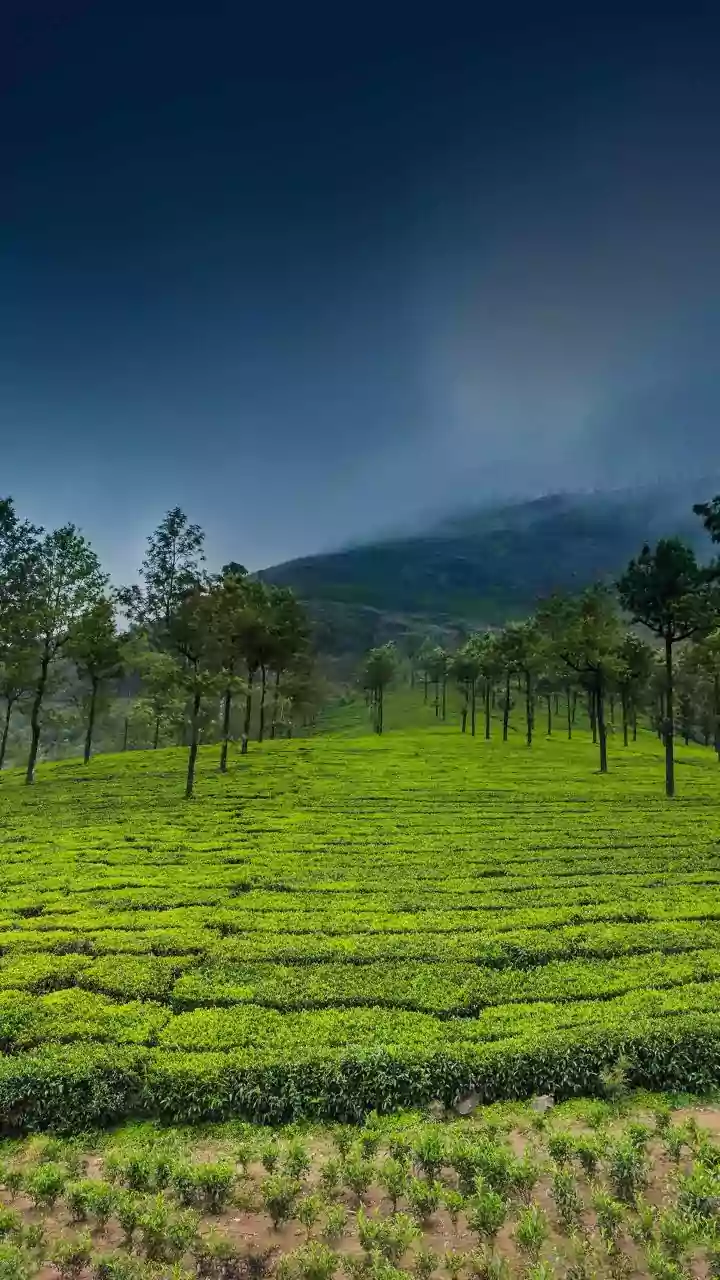
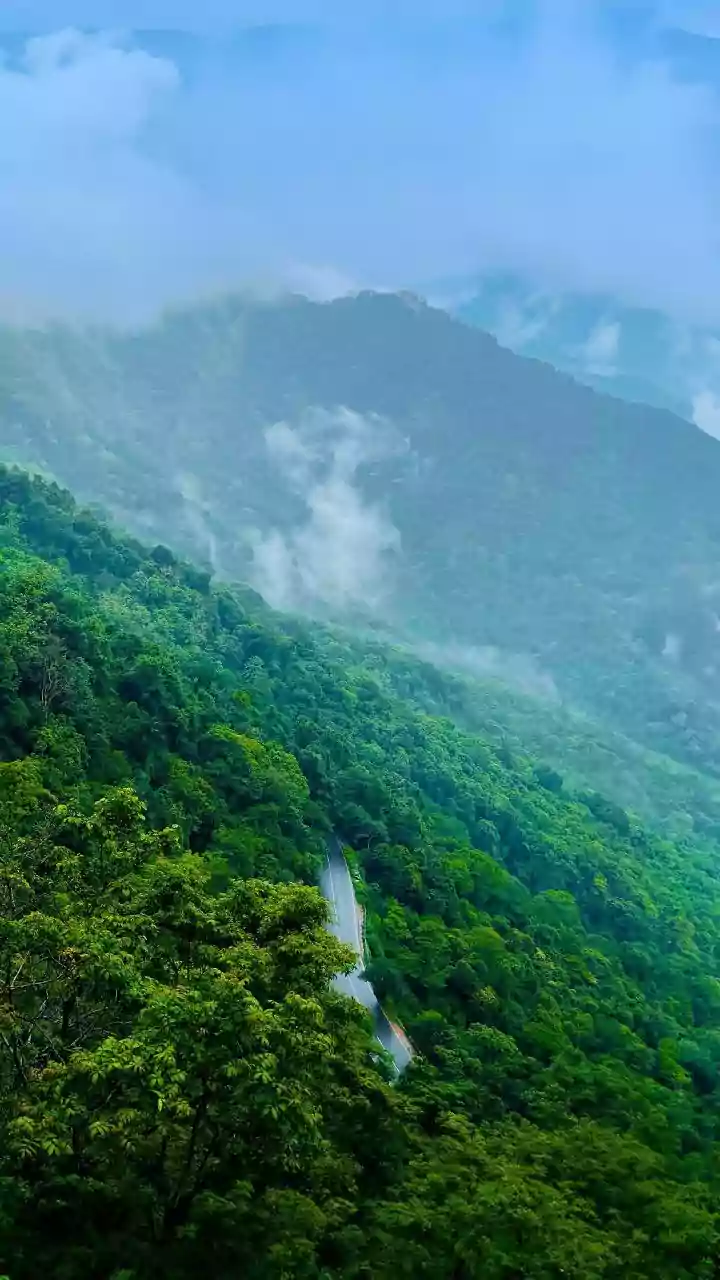
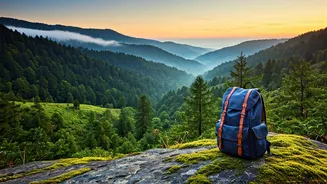
What is the 'Cardamom Hills experience'? It’s a sensory journey. These aren't just any hills; they are the heartland of Sikkim's prized spice. The experience is rooted in places like Dzongu in North Sikkim, a protected region for the Lepcha community, and parts of West Sikkim. Here, life revolves around the agricultural calendar. Visitors stay in family-run homestays, often nestled within the cardamom groves. Days are spent hiking through lush forests, learning about the cultivation and drying process of the spice, savouring home-cooked meals made with organic produce, and simply breathing in the clean, fragrant air. It is the antithesis of the commercialised tourist trail, offering authenticity over amenities.
The Rise of the 'Workation'
The key driver behind this surge is the 'workation'—a blend of work and vacation. While the concept isn't new, its destination has changed. The beaches of Goa and the cafes of Himachal have been popular for years, but Sikkim offers something different: profound tranquility and a chance to truly unplug after logging off. The remote bookings reflect this planning. People aren't just showing up; they are researching connectivity, arranging long-term rates, and choosing locations that promise peace during work hours and adventure during downtime. This deliberate choice marks a maturation of the remote work culture in India, where productivity is now being paired with well-being and unique life experiences.
Community-First Tourism
This trend also represents a significant win for sustainable, community-based tourism. Unlike large hotel chains that can siphon profits out of a region, the homestay model ensures that tourist money flows directly to local families. It empowers residents, provides a viable livelihood that complements agriculture, and encourages the preservation of local culture and the pristine environment. Travellers, in turn, get a far richer experience. They are not passive consumers but temporary members of a community, sharing stories with their hosts, learning traditional recipes, and gaining a genuine appreciation for a different way of life. This symbiotic relationship is at the heart of the Cardamom Hills' growing appeal.
Is It For You?
While idyllic, this type of travel requires a certain mindset. It’s for the independent traveller who values serenity over service, and authenticity over activity. Internet connectivity can be patchy, amenities are basic but comfortable, and entertainment is self-made—a good book, a long walk, or a conversation with a new friend. The roads can be challenging, and the weather unpredictable. But for those willing to embrace the pace of the mountains, the reward is immense. It's an opportunity to reset, to find clarity away from the noise of modern life, and to experience a side of India that remains beautifully, peacefully untouched.