






An Escape to the Stars
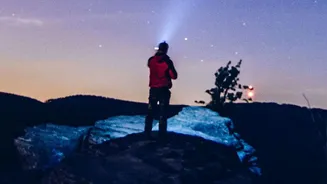
Astrotourism, also called dark-sky tourism, is travel motivated by the simple desire to see the night sky in its full, unobscured glory. It involves intentionally journeying to destinations with minimal light pollution to witness celestial events, from
meteor showers and eclipses to the awe-inspiring arc of the Milky Way. Unlike conventional tourism, it often leads travellers to remote, protected, and quiet corners of the world. It’s a movement born from a growing awareness of what we’ve lost; with over 80% of the world's population living under light-polluted skies, a genuinely dark night has become a destination in itself. This form of travel isn't just for professional astronomers; it appeals to anyone seeking a connection with the cosmos and a break from the visual noise of urban life.
The Search for Quiet Solitude
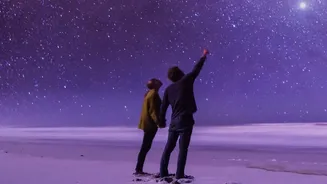
A major part of astrotourism's appeal is the profound sense of peace it offers. The places with the darkest skies are, by nature, far from the hustle and bustle of cities. This solitude is not about loneliness but about connection—to nature, to history, and to oneself. Stargazing encourages a state of mindfulness, forcing you to slow down and be present. Studies suggest that experiencing the awe of the cosmos can have significant mental health benefits, reducing stress and putting personal worries into a grander perspective. In a world of constant stimulation, the quiet contemplation under a blanket of stars provides a powerful mental reset, activating the body's 'rest and digest' mode and fostering a sense of calm that is hard to find elsewhere.
A Universe of Breathtaking Discovery
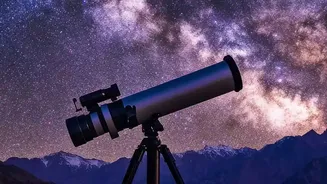
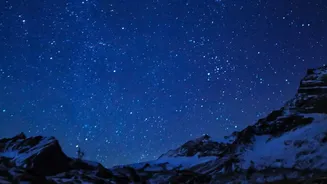
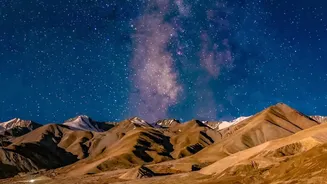
The other half of the experience is pure, unadulterated wonder. In a proper dark-sky location, the heavens come alive. The Milky Way ceases to be a faint smudge and becomes a brilliant, textured river of light. Constellations pop with newfound clarity, and the sheer number of visible stars can be overwhelming. Seeing this celestial panorama with your own eyes is a humbling experience that connects you to every human who has ever looked up at the sky. It’s a reminder of our place in a vast and beautiful universe. This kind of discovery isn't just visual; it’s emotional and intellectual. It sparks curiosity about astronomy and our cosmic origins, transforming a simple vacation into a journey of learning and appreciation.
India's Premier Dark-Sky Destinations
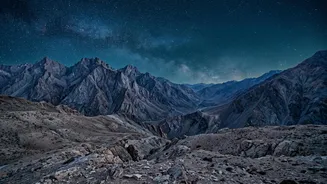
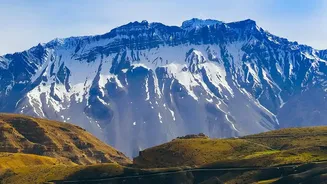
India, with its diverse and remote landscapes, is a burgeoning hub for astrotourism. The high-altitude deserts of the Himalayas offer some of the clearest skies on the planet. Hanle in Ladakh, designated as India's first official Dark Sky Reserve, is a world-class site, home to the Indian Astronomical Observatory. While Hanle is remote, more accessible spots in Ladakh like Pangong Lake and Tso Moriri offer similarly spectacular views. Spiti Valley in Himachal Pradesh is another prime location, with villages like Kibber and Langza providing stunning backdrops for stargazing. For those in other parts of the country, the Rann of Kutch in Gujarat, parts of the Rajasthan desert, and even Pench Tiger Reserve in Maharashtra (India's first Dark Sky Park) offer incredible opportunities to see the stars away from city lights.